
Last updated November 25, 2026
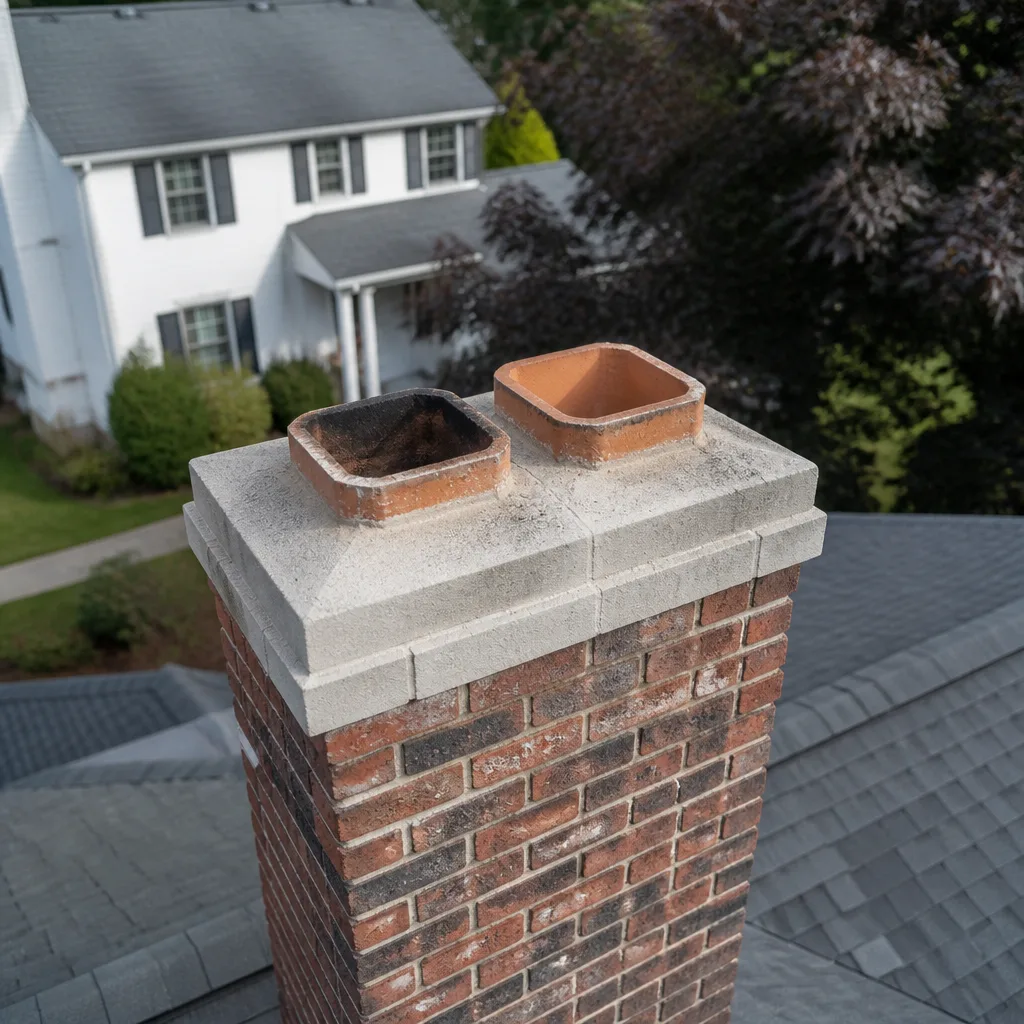 Sweep & inspection
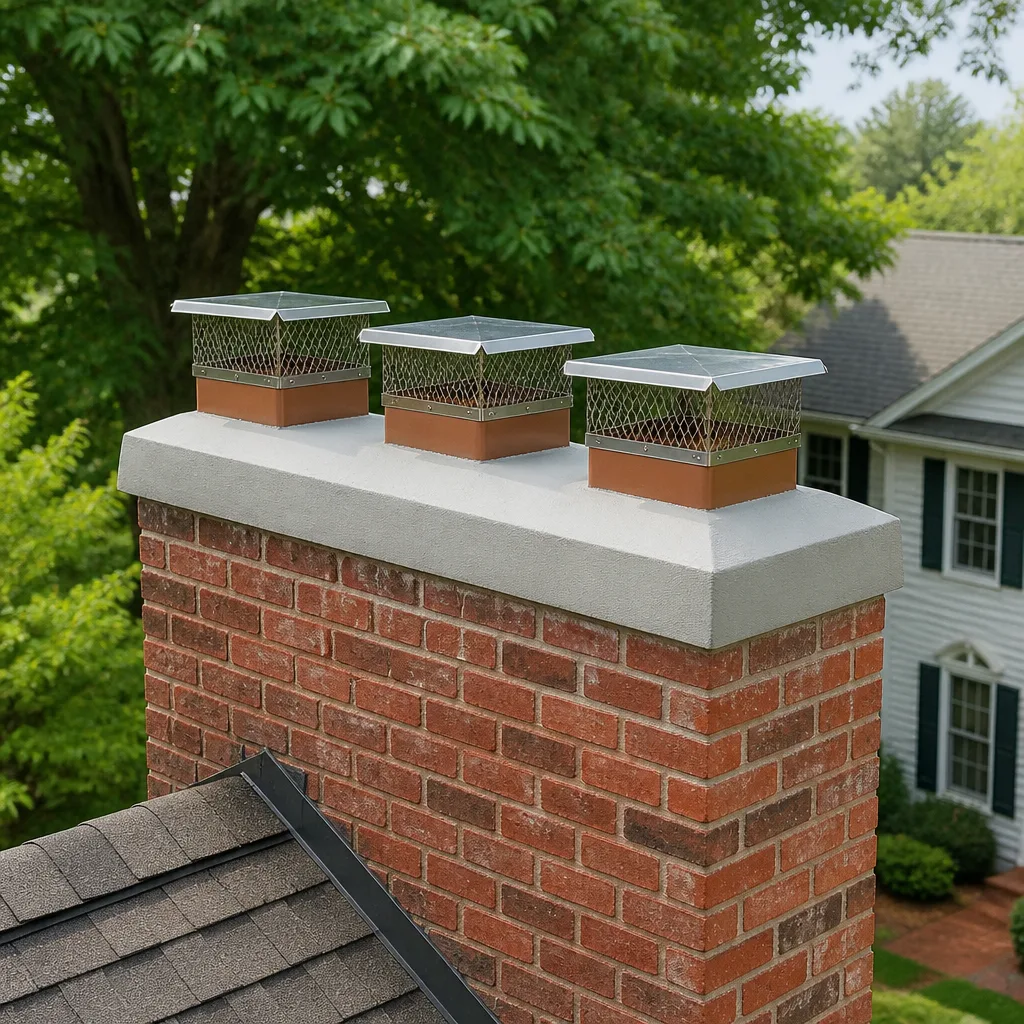 Caps & crowns
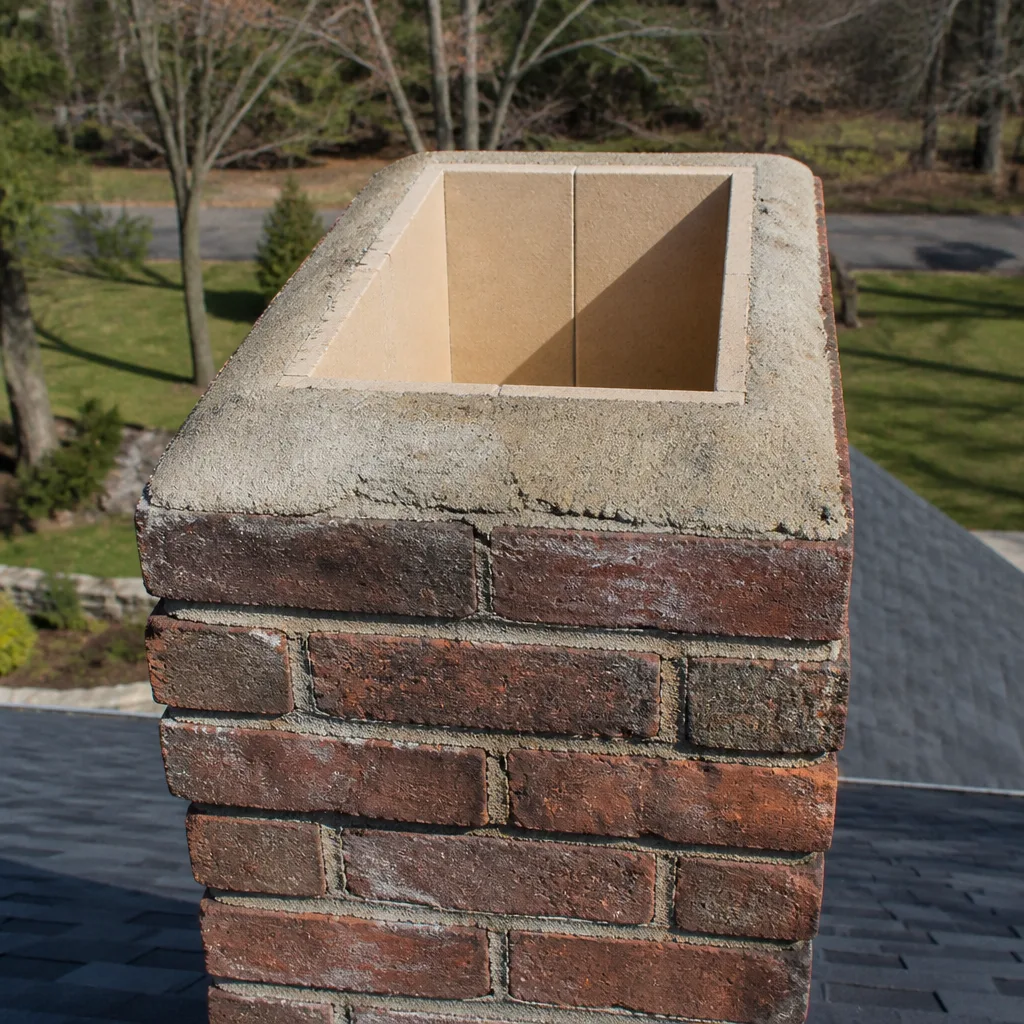 Flue relining
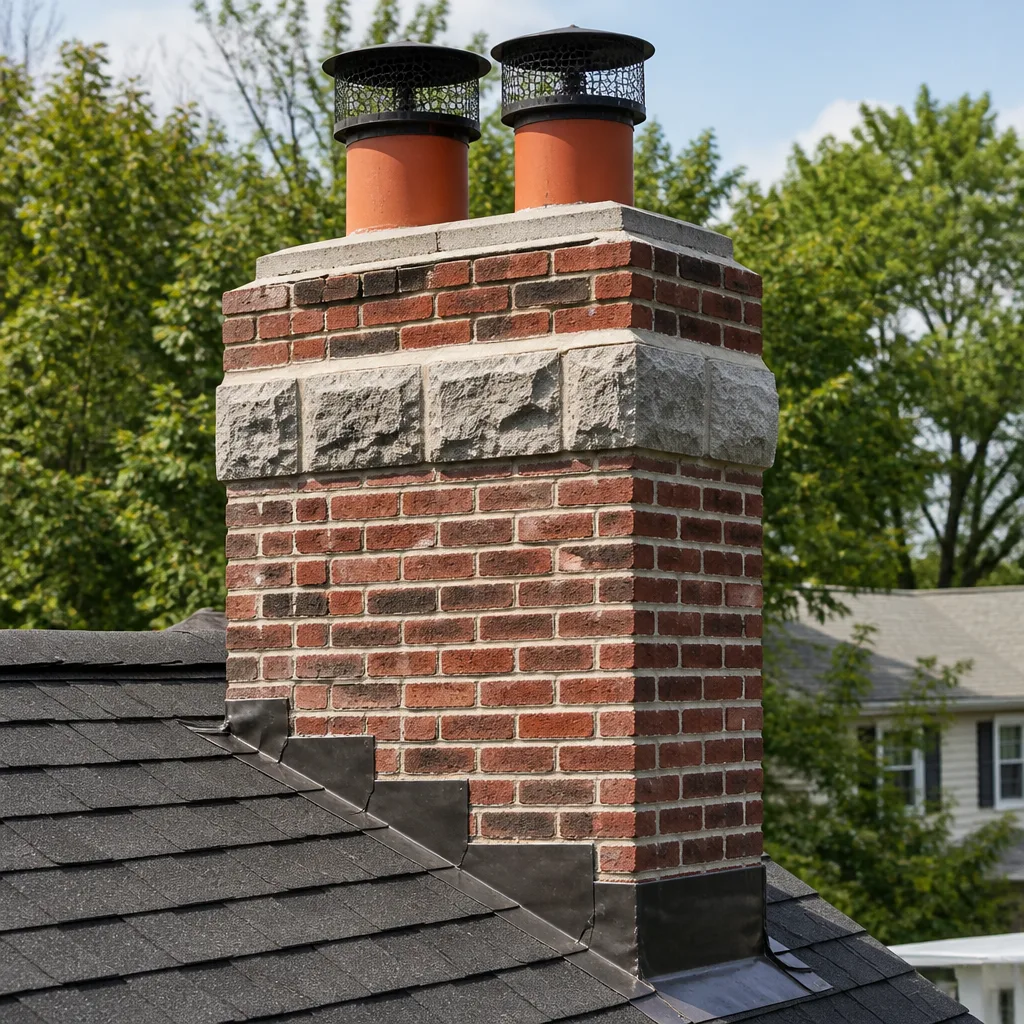 Masonry repair
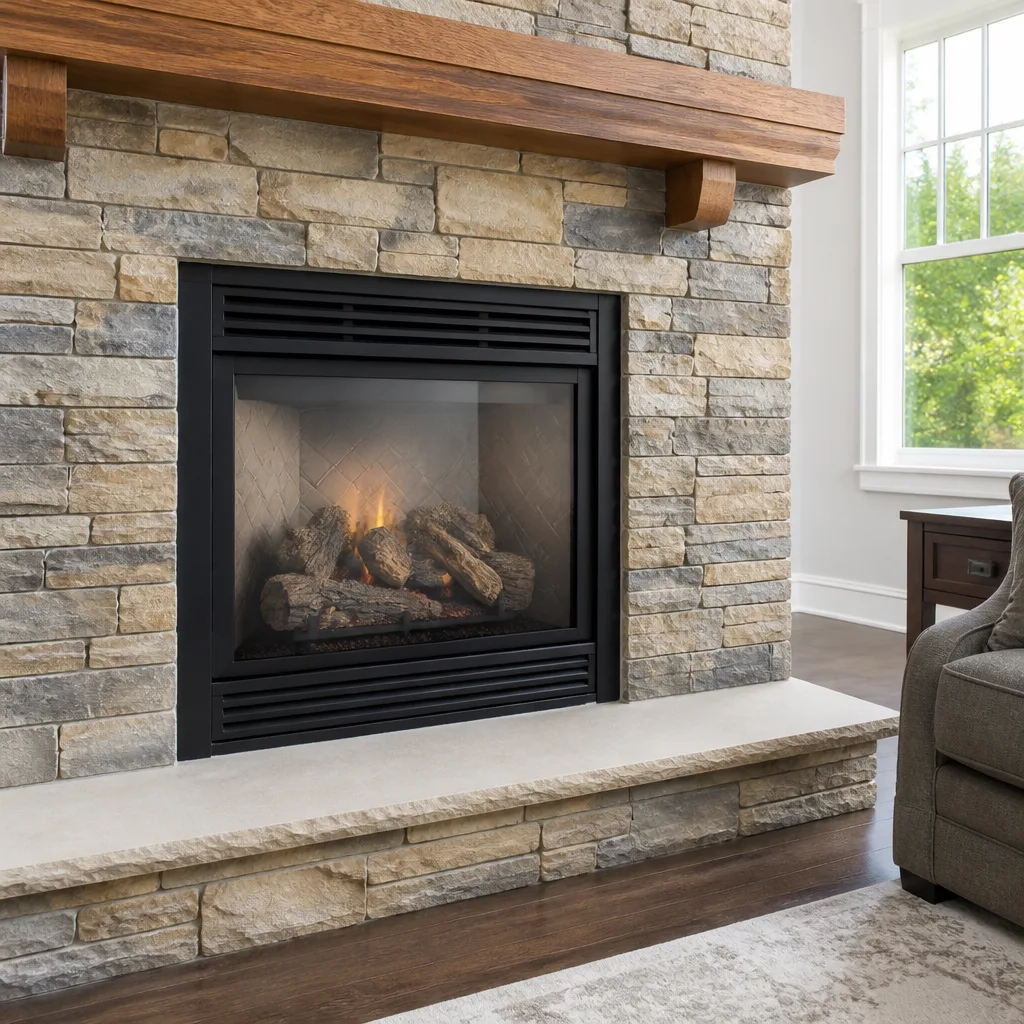 Gas fireplace service
Level 1 sweep and inspection to the NFPA 211 annual standard - flue, crown, cap, and flashing checked and photographed
Chimney sweep logs do not sweep chimneys. They loosen some creosote - which then falls where a brush and vacuum still have to collect it.
Chimney Cleaning Warning Signs: A Kent Homeowner’s Reference Guide
A smoky house isn’t always a dirty chimney. Sometimes it’s a blocked damper, a collapsed flue tile, or a pressure problem caused by a home that’s sealed too tight for its own good. Misread the sign and you pay for the wrong fix. We’ve pulled apart enough chimney systems to know that the symptom on the surface rarely matches the cause hiding inside the flue. This guide is a plain-language reference for Kent homeowners: what each warning sign means mechanically, which ones mean “monitor it,” and which ones mean “stop using the fireplace today.”
Quick Answer
The most serious chimney warning signs are a strong acrid or chemical smell, white or brown staining on the exterior brick, a smoky room that won’t clear, and any scraping or flaking sound from inside the flue. Those point to moisture damage, a failing liner, or structural movement and mean you should stop using the fireplace until a professional inspects it. Black soot buildup, a faint campfire smell in warm weather, and slightly sluggish draft are lower-tier signs that call for a sweep and inspection but usually aren’t emergencies.
Styles & brands we work with
- Sweep & inspection
- Caps & crowns
- Flue relining
- Masonry repair
- Gas fireplace service
Table of Contents
- What Exterior Staining Tells You
- Decoding Chimney Smells
- Draft Problems: Cleaning, Structure, or Pressure?
- Sounds From the Flue
- Monitor It or Stop Using It: The Risk Tiers
- What a Proper Inspection Covers
- How Kent Weather Affects Chimney Health
- How Often to Sweep and Inspect
What Exterior Staining Tells You
Stains on the outside of a chimney are the system’s way of telling you what’s happening inside. The color is the clue, and each color points to a different mechanical problem. Reading it right saves you from paying for a cosmetic fix on a structural issue.
White staining is efflorescence, a powdery salt deposit left behind when water moves through brick and masonry and evaporates on the surface. It means moisture is migrating through the chimney structure. In Kent, where we get long wet stretches from fall through spring, that migration is common. Efflorescence itself is harmless, but it’s a sign that water is getting in somewhere – often through a missing or damaged cap, or a crown that has cracked and is letting rain soak into the masonry above the flue.
Brown staining usually means creosote or rust has leached through the masonry. A rust-colored streak often points to a metal liner or a damper assembly that’s corroding from moisture exposure. A brownish glaze near the top of the chimney can indicate heavy creosote saturation that has soaked into the brick itself – that’s a fire risk, not just a cosmetic one.
Black staining along the exterior, especially near the top, usually means the chimney is venting poorly and smoke is backing up or spilling. It can also appear when a flue tile has cracked and combustion gases are escaping into the surrounding masonry instead of going up and out. Black staining combined with a smoky smell inside the house is a strong signal to get an inspection before the next fire.
Any of these stains are worth a look, but black and brown staining – especially when paired with a smell or draft problem – are the ones we’d treat as urgent. A simple chimney repair job can address the source early, before the masonry soaks through and the problem spreads into the crown or the flashing at the roofline.
Decoding Chimney Smells
Your nose is one of the most reliable diagnostic tools you have. Different smells point to different problems, and the distinction matters. Here are the main smell profiles and what they usually mean.
- Faint campfire smell in warm weather: This is usually a downdraft pulling old soot and creosote odor back down the flue when the fireplace isn’t in use. It’s annoying but not dangerous on its own. A sweep, a properly fitted cap, and a tight damper usually clear it up.
- Sharp, acrid, chemical smell: This is more serious. An acrid smell during or after a fire can mean creosote is burning off the flue walls at a higher temperature than normal, or that combustion gases are leaking into the room through a cracked flue tile or a failed liner joint. Stop using the fireplace and get it inspected.
- Organic, mildew, or damp-earth smell: This points to moisture inside the chimney. Water has entered through the crown, cap, or flashing and is sitting in the masonry or mixing with soot in the smoke chamber. Left alone, it leads to spalling brick, a rusting liner, and eventually structural damage.
- Rotten-egg or sulfur smell: This is different from chimney odor and can indicate a gas issue if you have a gas appliance connected to the flue. Treat it as a safety concern and ventilate the area.
In our experience across Kent, the organic and damp smells are the ones homeowners most often ignore, because they don’t smell like smoke and don’t feel urgent. Those are also the ones that quietly do the most long-term damage. A moisture problem inside a chimney doesn’t announce itself – it just eats away at the masonry and the liner until something fails.
If you can’t place the smell, that’s reason enough to have someone look. A trained eye can trace the source in a way a homeowner can’t from the living room. HeatShield resurfacing is one option we use when the smell traces back to a deteriorated flue interior that’s trapping residue and moisture against the masonry – it repairs the flue surface rather than just cleaning over the problem.
Draft Problems: Cleaning, Structure, or Pressure?
Poor draft is the warning sign homeowners most often misdiagnose. A smoky fireplace isn’t automatically a dirty chimney. There are three distinct causes, and each one calls for a different fix. Getting the diagnosis wrong means you pay for a sweep and still have a smoky room.
Here’s how to tell them apart, at least roughly, before you call anyone in:
- Cleaning issue: The flue has enough soot or creosote buildup to narrow the passage and slow the smoke. Symptoms tend to build gradually over a season and are worse after a long stretch without a sweep. A professional chimney sweep restores the flue to its designed cross-section and usually clears the problem.
- Structural issue: A cracked or spalled flue tile, a collapsed tile section, or a liner that’s separated at a joint disrupts airflow. The draft may be fine on some days and terrible on others, and you might notice debris or grit falling into the firebox. Structural problems don’t resolve with a sweep. They need repair, sometimes relining. This is where we use DuraFlex systems for a full reline, or a HeatShield repair when the flue is sound enough to resurface rather than replace.
- Pressure issue: Modern Kent homes are built tight – good insulation, sealed windows, exhaust fans in kitchens and baths. That tightness can create negative pressure inside the house that overpowers the chimney’s natural draft. The giveaway is a fireplace that smokes only when a fan is running, a window is open, or the house is closed up tight in winter. The fix here is ventilation and airflow management, not a chimney repair.
The pressure problem is the one most often overlooked. If your fireplace drafts fine on mild days and smokes when the furnace or bathroom fan kicks on, that’s a pressure signal. No amount of sweeping will fix it, and it’s worth mentioning to whoever inspects the chimney so the right diagnosis gets made.
Sounds From the Flue
Chimneys make noise, and most of it is normal. But some sounds are worth investigating. Here’s how we sort them out.
- Scratching, scurrying, or rustling: Almost always animals – birds, squirrels, or raccoons that have gotten past a missing or damaged cap. The sound is usually most active at dawn or dusk. Get a cap installed and have the flue cleared, because nests and droppings are a fire and health hazard.
- Rumbling, ticking, or a rhythmic creak during a fire: Usually thermal expansion as the metal damper or liner heats and cools at a different rate than the masonry around it. Mild and predictable – a low-risk sign.
- Sharp cracking, popping, or grinding: This is more serious. It can indicate a flue tile that’s breaking apart or structural movement in the chimney stack itself. If it’s accompanied by debris in the firebox or staining on the exterior, treat it as a stop-use sign.
- Whistling or howling: Air moving across a gap in the chimney assembly, often at the crown or where the flue meets the cap. Sometimes it’s just wind, but it can also be a sign of a loose cap or a gap that’s letting in rain.
The animal sounds are the most common. In Kent, we see a lot of caps that have corroded or been knocked loose, and once a cap is compromised, animals move in fast. A cap is a small investment that prevents a whole category of problems – nest blockages, moisture intrusion, and structural damage from animals trying to widen openings.
Monitor It or Stop Using It: The Risk Tiers
Not every warning sign means the same thing. To make this guide useful, here’s how we’d sort the signs into three simple tiers. Use this as your quick reference before you call.
Tier 1 – Monitor: Low-level creosote buildup, a faint campfire smell in summer, mild soot staining, slight draft sluggishness on cold days. These mean a sweep and inspection are coming due, but you can keep using the fireplace while you schedule it.
Tier 2 – Book an inspection: White or brown exterior staining, persistent organic or damp smell, animal sounds, whistling at the cap, a fireplace that smokes on some days. These aren’t emergencies, but they point to a problem that will get worse and more expensive. Get an inspection on the calendar and avoid heavy fires in the meantime.
Tier 3 – Stop using it today: Sharp acrid smell during a fire, black staining on the exterior, a fireplace that smokes unrelentingly, cracking or grinding sounds from the flue, visible debris falling into the firebox, or any smell of gas. These are stop-use signals. Get the fireplace cold, put it out of use, and get a professional on it. Creosote ignition and cracked flue tiles are serious fire risks, and carbon monoxide from a compromised flue is a genuine health hazard. Don’t treat Tier 3 signs as something to watch.
The reason we split it this way is that chimney problems reward early action. A Tier 1 sign caught at a routine sweep is a cheap fix. The same underlying problem left until it hits Tier 3 is often a relining or structural repair. In our experience, that’s the pattern – the cost multiplies faster than most homeowners expect.
What a Proper Inspection Covers
An inspection is only useful if it looks at the whole system, not just the firebox. When we inspect a chimney in Kent, here’s what we cover:
- The firebox and smoke chamber: Cracks in the firebox brick, gaps in the smoke shelf, and creosote accumulation in the chamber above the damper.
- The damper: Whether it opens fully, closes tightly, and isn’t warped or blocked.
- The flue interior: Creosote level, cracks or spalling in the flue tiles, gaps at the joints, and any blockage. This is often where the real problem lives.
- The chimney exterior: Brick condition, mortar joints, crown, flashing, and cap. This is where water gets in and where staining shows up first.
- The draft path: How the chimney behaves under actual fire conditions, and whether pressure issues in the home are interfering.
If the inspection turns up a deteriorated flue interior, we don’t jump straight to the most expensive fix. We look at whether HeatShield resurfacing can restore the flue, or whether the damage is severe enough that a DuraFlex relining is the right call. Not every company carries or applies these systems, which is why some sweeps hand the repair off to a separate contractor. We handle it in-house so the diagnosis and the fix stay connected.
For homeowners with a gas or wood fireplace insert, the inspection also covers the connection between the insert and the flue. A loose or damaged connector is one of the more common draft and safety problems we find, and it’s easy to miss if an inspection only looks at the firebox.
How Kent Weather Affects Chimney Health
Kent’s climate puts specific pressure on chimneys. The wet season is long, and that moisture is the single biggest driver of chimney deterioration here. Rain finds its way in through caps, crowns, and worn flashing, and once water is inside the masonry, it does damage year-round.
Freezing temperatures make it worse. Water that’s soaked into brick expands when it freezes, and that freeze-thaw cycle causes spalling – the brick face flakes off, mortar joints crumble, and the chimney’s structural integrity weakens. A cracked crown or a missing cap that would be a minor annoyance in a dry climate becomes a real repair job in Kent after a few winters. That’s why we put so much emphasis on cap and crown work: it’s the cheapest insurance against the most common cause of chimney deterioration.
The wet season also affects creosote. Damp creosote is more corrosive to metal liners and harder to sweep cleanly. And Kent’s long shoulder seasons, where the weather can’t decide whether it’s heating season or not, mean fireplaces often get used intermittently – which is exactly the pattern that builds smoky, glazed creosote rather than the dry, flaky kind.
If your chimney has been through several winters without a cap or a crown inspection, that’s worth a look regardless of what the interior signs say. The exterior damage can be happening quietly while the fireplace itself seems to work fine.
How Often to Sweep and Inspect
Most wood-burning fireplaces need a sweep once a year if they’re used regularly, and an inspection once a year regardless. Gas fireplaces need inspection too, just less sweeping, because the deposits and connection issues are different. If you burn a lot – several fires a week through the season – you may need a mid-season sweep as well.
The practical rule we give Kent homeowners: sweep before the first cold snap, when the wet season is setting in and you’re about to start using the fireplace heavily. Sweeping in early fall catches the creosote from last season and gives you time to fix anything the inspection turns up before you need the fireplace. Waiting until the first cold night means you’re either using a dirty flue or paying for an inconvenient fix.
The warning signs in this guide are also a trigger for an off-schedule inspection. If you’re seeing Tier 2 or Tier 3 signs, don’t wait for the annual calendar. Call Kent Chimney Sweep Pros and get it looked at.
Common Mistakes to Avoid
- Assuming smoke means a dirty chimney. A smoky fireplace can be a cleaning issue, a structural problem, or a home pressure issue. Sweeping the flue when the real cause is negative pressure leaves you with a smoky room and a bill.
- Ignoring a damp or organic smell because it isn’t smoke. Moisture inside the chimney quietly damages masonry and the liner. If your chimney smells earthy or mildewy in Kent’s wet season, get it inspected.
- Putting off a cap or crown repair because the fireplace still works. Water intrusion is the leading cause of chimney deterioration, and it does its damage whether or not the firebox seems fine. A cracked crown or missing cap is a small fix that prevents a large one.
- Burning wet or green wood to save money. Wet wood creates more creosote and more of the glazed, flammable kind that’s hardest to remove. Dry, seasoned wood keeps the flue cleaner and the fire safer.
- Treating an acrid smell as normal. A sharp, chemical smell during a fire is a warning sign, not a quirk of the fireplace. Stop using it and get it checked.
- Letting a sweep-only company leave without addressing what the inspection found. A sweep and leave is a missed opportunity. The point of the inspection is to catch structural and moisture issues before they turn into repair jobs.
- Skipping the inspection because the fireplace “seems fine.” Many chimney problems don’t show obvious symptoms until they’re well advanced. The whole reason for a regular inspection is to catch the quiet ones.
See the difference
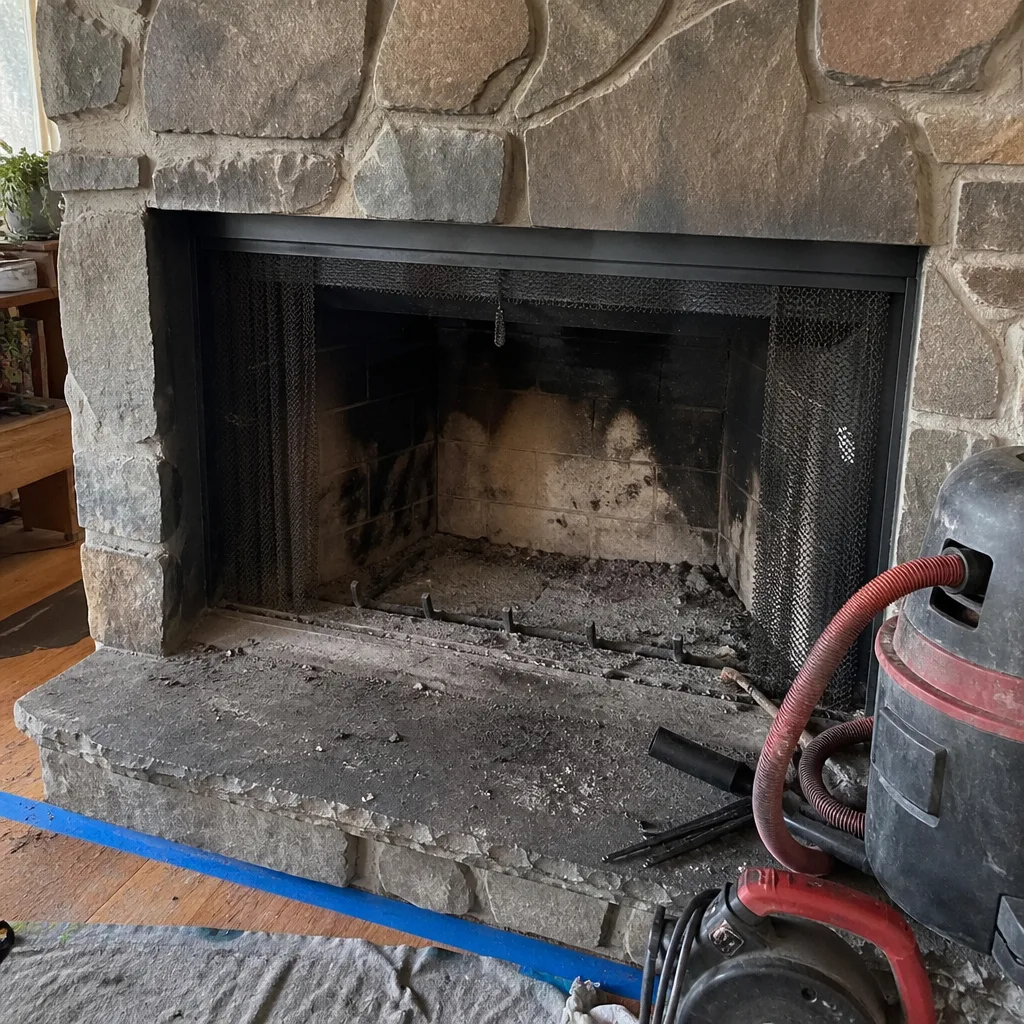 Before
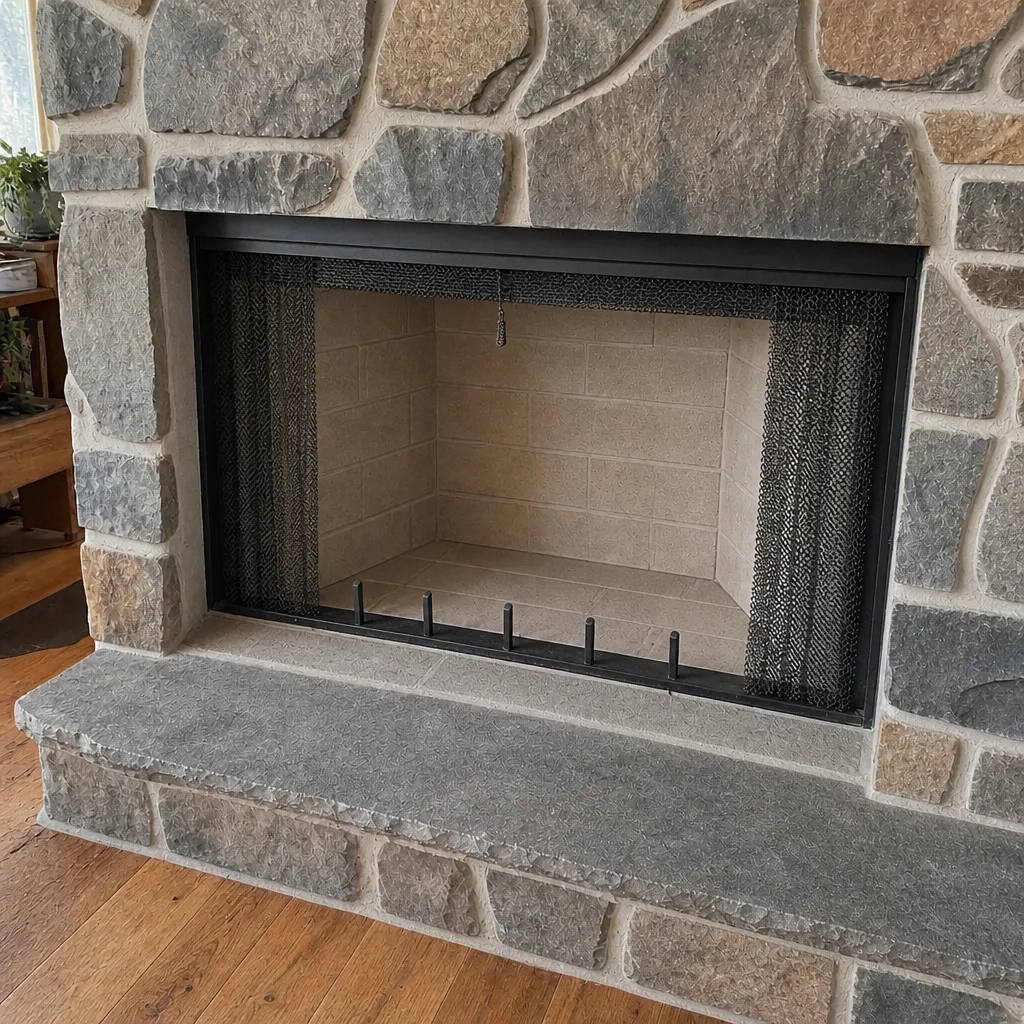 After
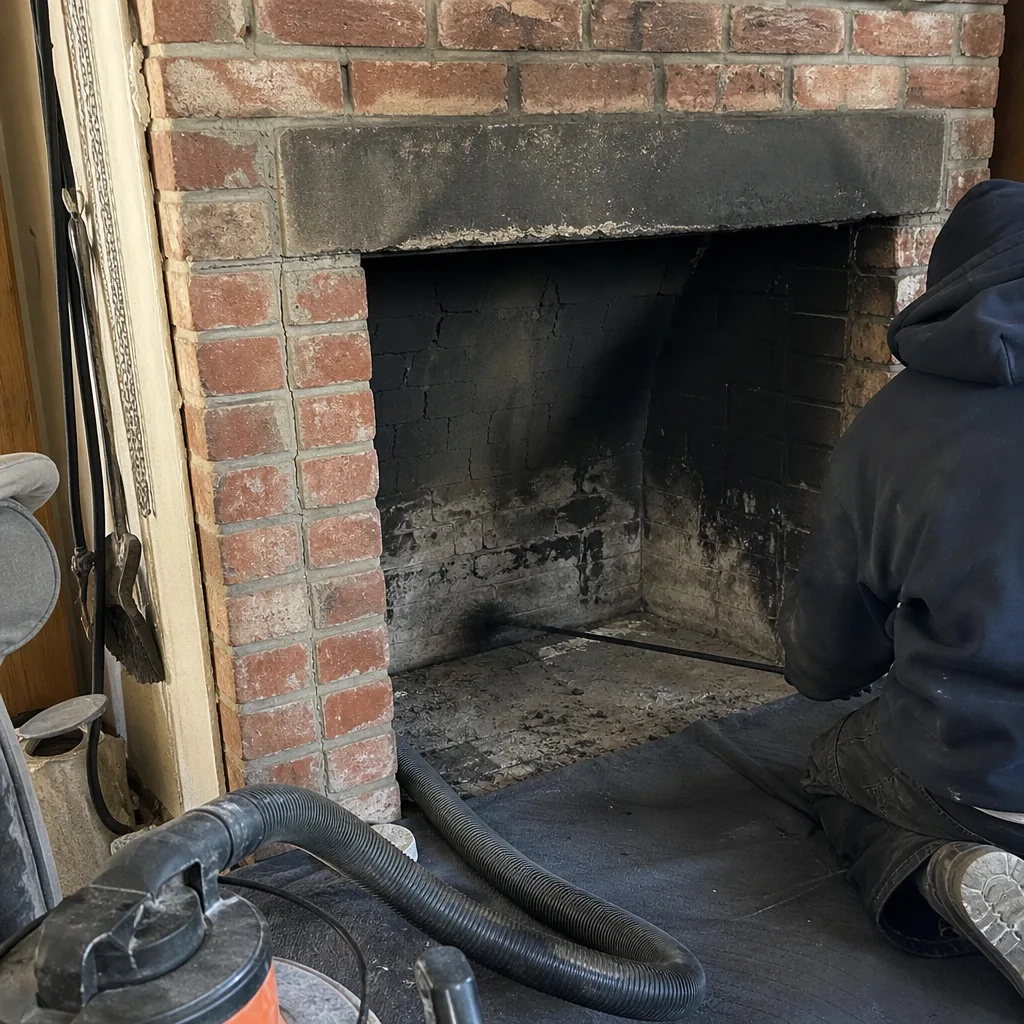 Before
 After
 Before
 After
When to Call a Professional
Call a professional if you’re seeing any Tier 2 or Tier 3 sign: sharp or acrid smells, black or brown exterior staining, persistent smoky rooms, grinding or cracking sounds from the flue, animal noise in the chimney, debris in the firebox, or a gas smell of any kind. Also call if it’s simply been a year since the last sweep, or if your chimney has no cap and hasn’t been inspected in a while. You don’t need to know what’s wrong before you call – the inspection finds that. What you need is a company that can both diagnose and fix the problem, so a sweep doesn’t turn into a handoff. Kent Chimney Sweep Pros offers free estimates in Kent – call (877) 699-0126 to book an inspection and get a straight answer on what’s happening inside your flue.
Frequently Asked Questions
Damp or organic smells and white exterior staining are the most common signs we see in Kent, and they both trace back to moisture intrusion. The long wet season works its way into caps, crowns, and flashing, and the evidence shows up on the exterior and in the smell of the chimney. A cap and crown check usually explains it.
A sweep is the right call for creosote buildup and mild soot; a repair is the right call for cracked flue tiles, moisture damage, or structural issues. The distinguishing factor is the inspection. If the flue interior is sound and just dirty, a sweep handles it. If there’s damage to the flue wall, a HeatShield resurfacing or a DuraFlex relining is the fix. The inspection tells you which, and an honest inspection won’t push a repair you don’t need. Call (877) 699-0126 for a free estimate.
No. A smoky fireplace is often a blocked or narrow flue, but it can also be a failed damper, a cracked flue tile, or a negative pressure problem in a tightly built home. If the fireplace only smokes when exhaust fans are running or the house is closed up, that’s a pressure clue, not a cleaning clue. Getting the diagnosis right is the whole point of the inspection.
White staining is efflorescence, a salt deposit left when water moves through the masonry and evaporates. It’s a sign of moisture getting into the chimney, usually through a damaged cap, crown, or flashing. The stain itself is harmless, but the moisture behind it causes real damage if it’s ignored. A chimney repair inspection finds the entry point and can work with your insurer if the damage is significant. Call (877) 699-0126 for a free estimate.
No. Stop using the fireplace if you smell a sharp, acrid, or chemical odor during or after a fire. That smell usually points to creosote burning at high temperature or combustion gases leaking through a cracked flue or failed liner, and both are safety concerns. Get it inspected before the next fire.
A once-a-year sweep and inspection fits most homes, and the best time in Kent is early fall, before the wet season and your heaviest fireplace use. If you burn heavily, add a mid-season sweep. And if you see any warning sign from this guide, don’t wait for the calendar – book an inspection. Call (877) 699-0126 for a free estimate.
The Bottom Line
Chimney warning signs usually show up long before they become dangerous, and they show up in three places: on the exterior, through your nose, and in how the fireplace behaves. White staining means water, acrid smells mean a fire or gas risk, damp smells mean moisture, and draft problems split into cleaning, structural, and pressure causes. The most important tool is the risk tier – knowing which signs you can monitor and which mean stop using the fireplace today. Kent Chimney Sweep Pros handles the full chimney system, from a routine sweep to liner repair with HeatShield and DuraFlex and fireplace repair, so the diagnosis and the fix stay with one company. If you’re seeing signs, don’t wait for a smoky room to force the issue – a free estimate today can save you a repair job later.
Call (877) 699-0126 for a free estimate. We answer 24/7. Fast dispatch from 7am to 7pm, Sunday through Friday.
Written by the team at Kent Chimney Sweep Pros.