
Last updated November 25, 2026
 Sweep & inspection
 Caps & crowns
 Flue relining
 Masonry repair
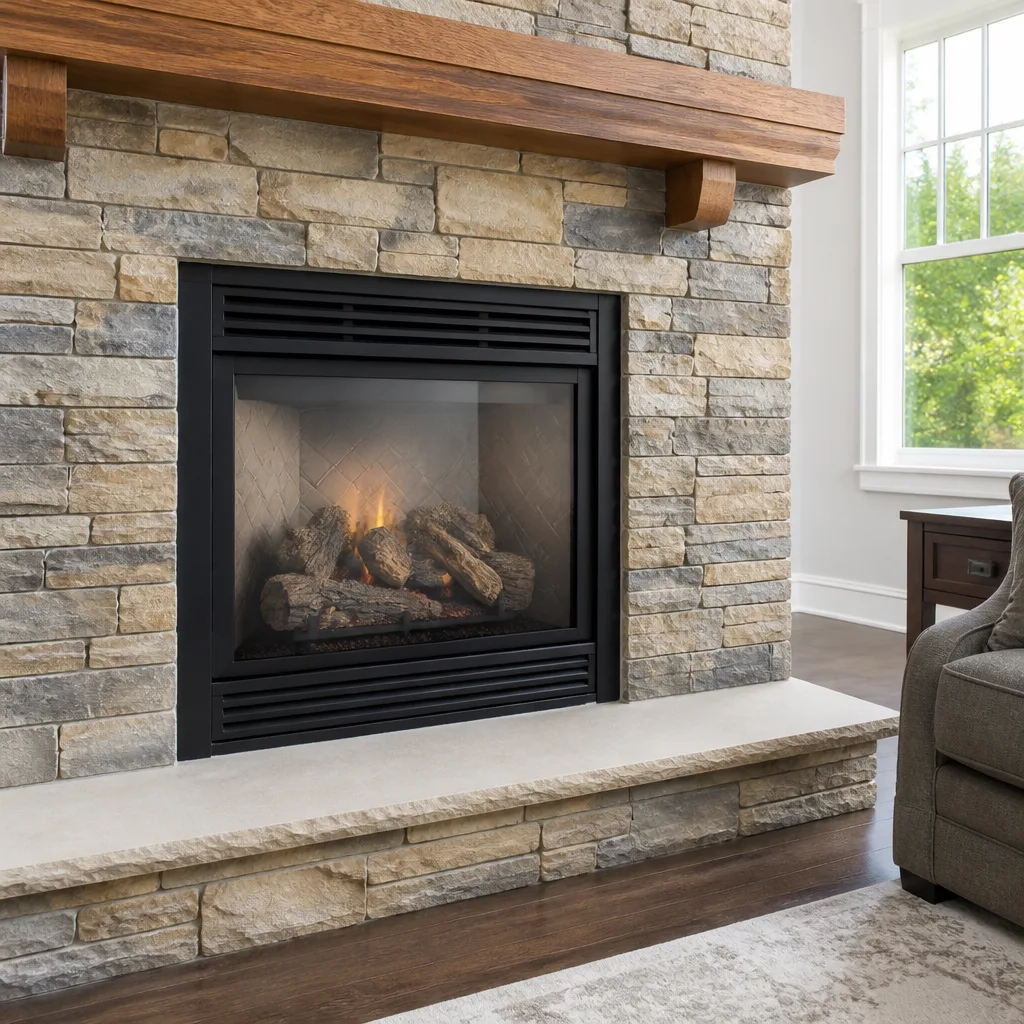 Gas fireplace service
Level 1 sweep and inspection to the NFPA 211 annual standard - flue, crown, cap, and flashing checked and photographed
Chimney sweep logs do not sweep chimneys. They loosen some creosote - which then falls where a brush and vacuum still have to collect it.
Chimney Sweep Maintenance Schedule: What to Do and When
Most chimney fires don’t happen in January, when the fire has been burning hot for weeks and the flue is at its cleanest. They happen in October, right after the first cold snap, when creosote left over from last season has sat through the warm months and hardened into a form that ignites at lower temperatures. That single fact reshapes how a maintenance calendar should work. Cleaning once a year in whatever month fits your schedule isn’t the same as cleaning at the right time for how you burn. This guide lays out what to do in Kent, when to do it, and how to know whether your fireplace needs one sweep a year or three. You’ll get a month-by-month schedule, the signs of trouble, and the inspections that actually protect a home in our wet, cool climate.
Quick Answer
In Kent, plan for at least two touchpoints a year: a pre-season inspection or sweep in September before the first burn, and a post-season check in April after the last. Sweep when the creosote layer reaches 1/8 inch, or once a year at minimum. The wet Pacific Northwest climate makes spring the critical season for cap and crown checks, since that’s when moisture gets in.
Styles & brands we work with
- Sweep & inspection
- Caps & crowns
- Flue relining
- Masonry repair
- Gas fireplace service
Table of Contents
- Why the Pre-Season Sweep Matters More Than You Think
- Pre-Season Checklist: What to Do in September
- Post-Season Tasks: Why April Is the Quiet Hero of Your Calendar
- How Often You Burn Changes How Often You Sweep
- What You Can Safely Check Between Professional Visits
- Moisture Risks in Kent: Why Spring Beats Fall for Crown and Cap Work
- Keep a Chimney Log So Sweep Frequency Becomes a Decision, Not a Guess
- When to Call a Professional
Why the Pre-Season Sweep Matters More Than You Think
Creosote is the residue left behind by burning wood, and it doesn’t stay the same between seasons. When the fire is roaring in deep winter, the flue stays hotter and creosote tends to deposit as a thinner, flakier layer. But when a fire is burning low and slow, or when the last burns of spring happen in a cool, damp flue, creosote deposits as a wetter, stickier coating. Over the summer in Kent, with the warm days and humid air, that coating dries and hardens into a glazed, tar-like form. Glazed creosote is the dangerous kind. It takes less heat to ignite and it’s harder to remove with a brush.
This is why a chimney that was safe in February can be a genuine hazard by October, before you’ve burned a single log. The pre-season sweep clears the hardened creosote before the heating season begins, so you’re starting fresh rather than adding new deposits on top of last year’s. September is the right month in Kent because it sits between the last warmth of summer and the first real cold snap. The chimney is dry, the weather cooperates, and there’s time to address whatever the inspection turns up before you actually need the fireplace. If something structural is found, say a cracked crown or a failing liner, you want to know about it in September, not the evening before a cold snap.
Pre-Season Checklist: What to Do in September
Your September tasks are about preparing for the first fire and finding problems while there’s still room in the calendar to solve them. A visit from a professional in the early fall handles most of these, and everything else you can do yourself.
- Book your sweep or inspection for early September. This is the busiest month for chimney work, so booking ahead is worth it. Ask whether the visit includes a camera inspection of the flue, not just a brush-down. A real diagnosis needs one.
- Clear the firebox and check the damper. Remove leftover ash, confirm the damper opens and closes fully, and look for any obvious warping or rust in the firebox itself.
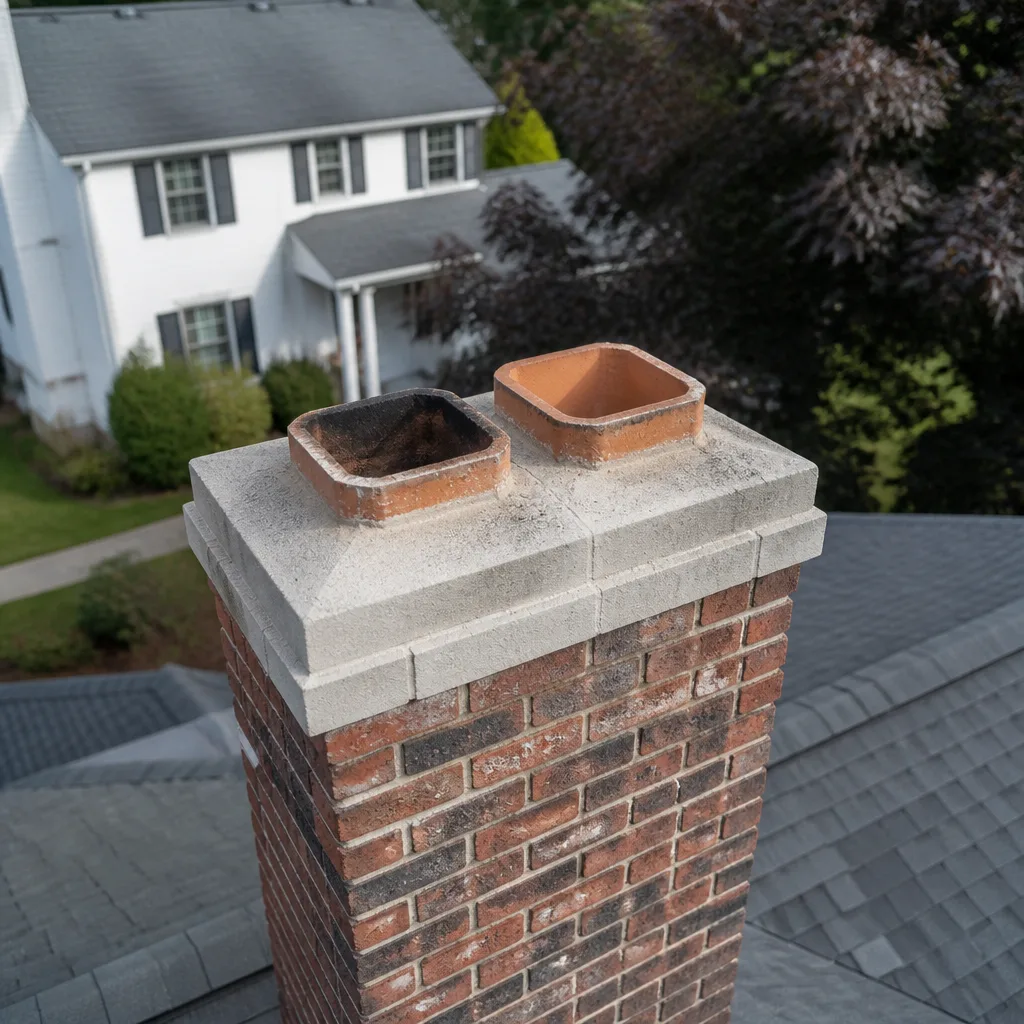
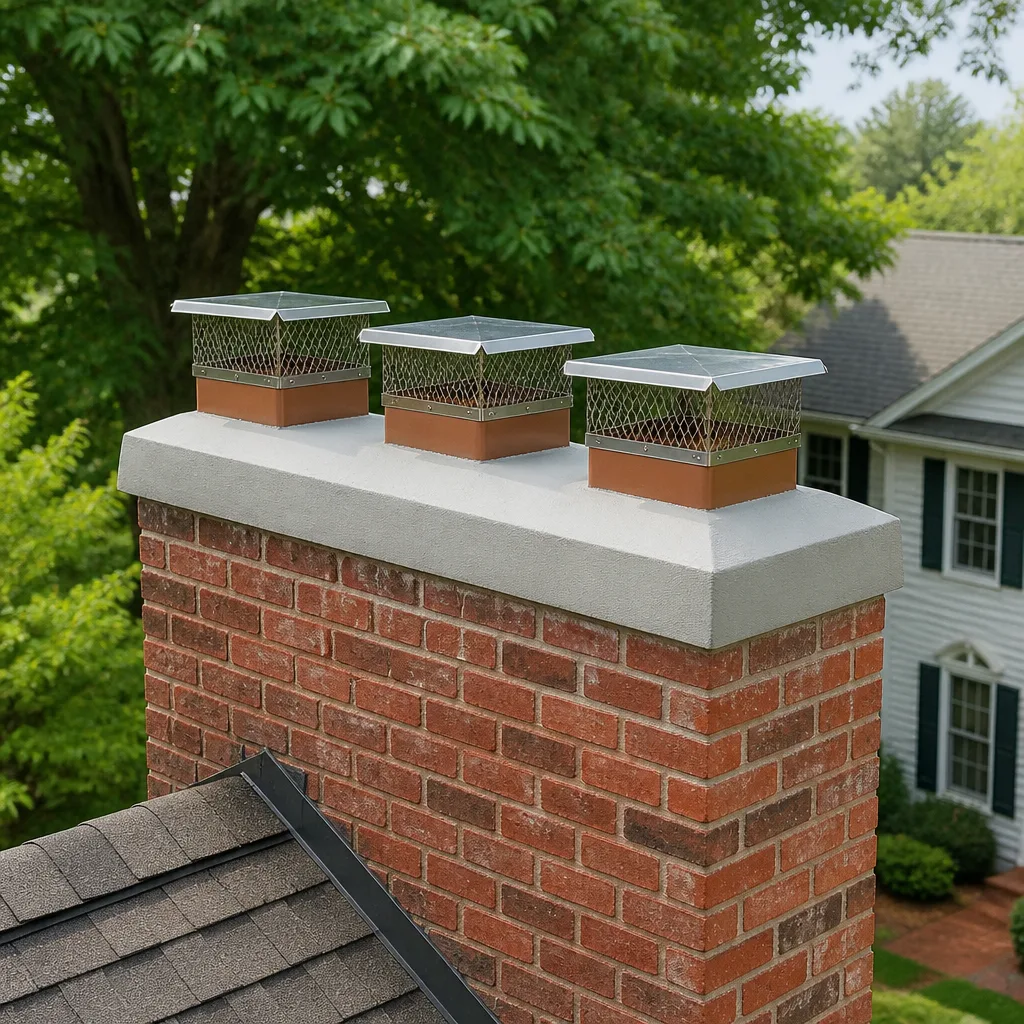
- Inspect the cap and crown from the ground. Binoculars work. Look for cracks in the crown (the mortar cap around the flue at the top), a missing or damaged cap, and any obvious rust or debris in the screen. Cap and crown issues are the leading cause of long-term chimney deterioration, and September is a good time to catch them before the rain returns.
- Get a repair estimate if the inspection flagged anything. If the technician recommends a relining or surface repair, ask for it in writing before booking the fix.
- Stock your wood. Well-seasoned firewood is the single biggest variable in how fast your flue accumulates creosote. Wood with a lower moisture content burns hotter and cleaner. Ask for it season-dry.
- Test your smoke and carbon monoxide alarms. A working CO alarm is the cheapest protection against a blocked flue.
- Set up your chimney log (see the section below). Writing down the last date of the service visit and the technician’s notes makes next year’s decisions easier.
If the sweep reveals water damage or a failing flue, the repair work can be done in the cooler months without disrupting your use of the fireplace. That’s the advantage of starting early.
Post-Season Tasks: Why April Is the Quiet Hero of Your Calendar
The post-season check gets skipped more often than any other chimney task, and it’s the one that catches the most damage. Here’s why April matters: that’s when the freeze-thaw cycle, spring rain, and the slow accumulation of creosote from a full season all come together. The chimney has just finished nine months of heavy work, and it needs a look-over before it sits idle for summer.
April is the right time to:
- Confirm the creosote layer is still at a safe thickness. If your winter burns pushed it past 1/8 inch, you’ll want a sweep now, not in September, before it hardens over the summer.
- Check for cracks in the crown and the masonry that may have opened up during freeze-thaw cycles.
- Look for signs of water intrusion inside the firebox, the smoke chamber, or the flue.
- Schedule any cap or crown repairs while the weather is still reasonably dry, before the fall rains arrive.
- Note any change in how the fireplace burned over the winter, especially drafts, smoke backing up, or an unusual smell. These are worth mentioning to a technician before problems get worse.
In Kent, spring is the sweet spot for the external maintenance work that goes with a chimney. It’s when a crown can be resealed and a cap can be replaced without waiting through a rainy spell. If the post-season check turns up cracking in the crown, that’s the season to address it, not the fall.
How Often You Burn Changes How Often You Sweep
Every chimney fires the same way; the difference is how much creosote builds up and how quickly. A general rule, and the one every sweep uses, is that a chimney should be cleaned when the creosote reaches 1/8 inch, or once a year at minimum. But how often you actually burn shifts that threshold much faster than most homeowners expect. Here’s how the frequency thresholds stack up.
- Occasional use (a few fires a month, in winter only): One sweep per year is usually enough, and the late-summer or early-fall slot works well. If you burn less than once a week, a simple annual sweep plus a spring inspection catches nearly everything.
- Regular use (a fire most days in winter): Sweep at least once a year, and plan to check the creosote level mid-season. That means a check around January. If you burn hot, well-seasoned wood, the annual sweep may still be enough. If you burn low and slow, or use damp wood, it won’t be.
- Heavy use (daily fires, multiple months, or a wood stove as primary heat): Sweep every three to four months during heating season, or whenever the creosote passes the 1/8-inch mark. The mid-season check is not optional here; it’s part of the schedule.
- Gas fireplaces: These produce far less creosote, so an annual inspection is often enough. But they still need it, because venting and the firebox can deteriorate in ways you can’t see from the living room.
The single most useful habit is to log your burns. If you know you burned 40 fires in a season, a technician can tell you exactly how much creosote to expect and how often to book a sweep. Without that number, you’re guessing. Our full chimney sweep process includes a camera inspection of the flue and a photo report, so you can see for yourself how much buildup is actually there and whether the recommendation holds up. That evidence matters, because the biggest worry homeowners have is being told they need expensive liner work they can’t verify.
What You Can Safely Check Between Professional Visits
You don’t need to climb on the roof or reach into the flue to do useful checks. In fact, the most important rule here is that you shouldn’t. Chimney work, especially anything involving the flue interior or the roof line, is dangerous and needs a trained professional. Climbing a wet roof in Kent in the fall is a genuine risk, and the flue itself is a confined space with the potential for creosote dust. So what can you safely check?
- Damper operation, from inside the firebox. Open and close it fully. A sticky damper is a sign of buildup or a mechanical issue worth mentioning.
- Smoke draw test. Light a small, safe test fire and watch how the smoke behaves. If it backs into the room, the flue is restricted or the pressure is off. Stop and call a professional.
- Visual check of the firebox interior with a flashlight. Look for cracks in the brick or mortar, rust, or any sign of water. Don’t reach above the damper; just look.
- Ground-level inspection with binoculars. From the yard, examine the cap, the crown, and the visible masonry for cracks, missing pieces, or staining. The roof line is the most informative place, and you can often read half the story without leaving the ground.
- Odor check. A strong smoky smell in summer, when the fireplace is unused, often points to a blocked flue or a downdraft issue. Either way, it’s worth a call.
If you spot anything on this list, or you’re not sure, call a professional. We handle the inspection and diagnosis, and the conversation stays honest: nothing is recommended without camera evidence you can see, and we’ll tell you plainly when a repair can wait. We carry the product lines that most generalists don’t, including DuraFlex liners and the HeatShield resurfacing system, but we don’t recommend them unless the flue actually needs them.
Moisture Risks in Kent: Why Spring Beats Fall for Crown and Cap Work
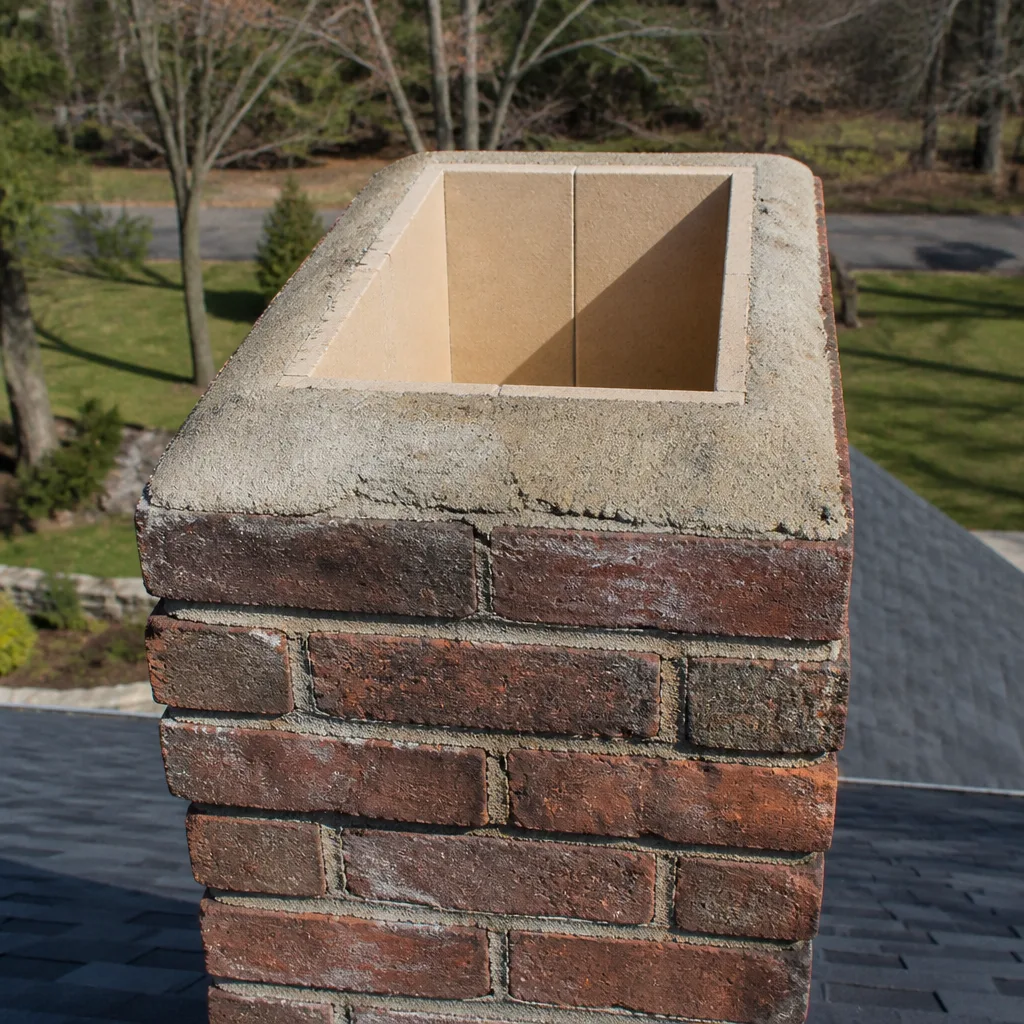
Water is the slow, quiet enemy of a chimney. The crown, the concrete or mortar cap at the top, is where it usually starts. A hairline crack in the crown lets water into the masonry. Through a Kent winter of repeated wet-dry and freeze-thaw cycles, that water expands and contracts inside the brick and mortar, widening the crack and slowly breaking down the structure. By the time you notice a leak or a crumbling crown, the repair is bigger and more expensive than it would have been. The cap and crown are the leading cause of this kind of deterioration, and they’re often the part of the chimney most homeowners never look at.
This is why spring is the best season for crown and cap inspections in Kent, not fall. In April and May the weather is often still cool but dry enough for sealant work, and the rainy season hasn’t arrived. If a crown needs resealing or a cap needs replacing, doing it in the spring means the work protects the chimney through the next wet winter. Doing it in late fall, when the rains are already here, leaves you working against the weather.
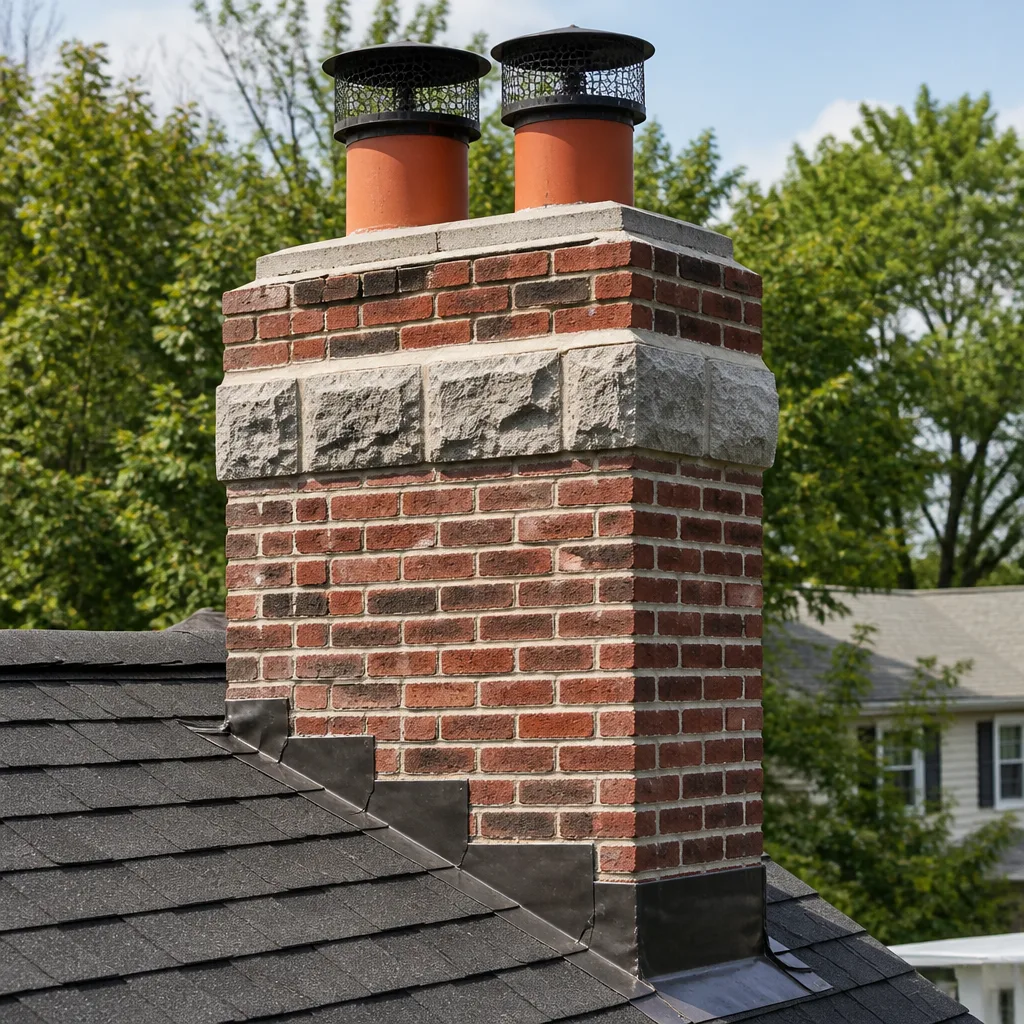
A cap and crown service is included in the scope of a full chimney system visit, so you don’t need to bring in a separate roofer or mason. We install caps and repair crowns as part of the same job that started with a sweep, which keeps the accountability in one place. A cap isn’t decorative; it’s the first line of defense against water and animals, and a crown that’s properly sealed is what keeps the structure above the firebox dry decade after decade. Our technicians have up to 9 years of experience with this kind of work, and the cap and crown are where they spend a good part of their site time on a wet-climate home.
Keep a Chimney Log So Sweep Frequency Becomes a Decision, Not a Guess
The best maintenance schedules aren’t rigid; they respond to how you actually use the fireplace. A chimney log is the tool that makes that possible. It’s a simple, low-effort record kept in a notebook or on your phone, and it turns a vague “I think I had it swept last fall” into concrete data a technician can act on.
What to log:
- The date of each sweeping or inspection visit, and what was found.
- The number of fires you burn per week, or a rough count per month.
- The kind of wood you use and how well seasoned it is.
- Any symptoms you noticed: smoke backing up, a strong smell, drafts, or a damper that felt stiff.
- The technician’s notes on creosote level and any product used, such as HeatShield or a DuraFlex liner.
When you hand that log to a technician, they can calculate a realistic sweep interval. Ten fires a week with dry hardwood is a different schedule from a fire on most evenings with mixed wood. The log is the difference between a scheduled service and a guessing game, and it makes the decision about a mid-season sweep evidence-based rather than a sales pressure point. In Kent, where burn frequency often varies a lot between a mild winter and a cold one, that log can shift your annual number significantly.
Common Mistakes to Avoid
- Booking a sweep only when you remember, which is often late fall. By then, the creosote has had all summer to harden and the chimney is about to be used. Book in September instead, when there’s time to fix what’s found.
- Treating the sweep as the whole service. A sweep cleans the flue but doesn’t inspect the crown, cap, or crown-to-flue joint. In a wet climate, the moisture damage is what actually shortens the life of a chimney. Ask for the inspection with the sweep, not instead of it.
- Burning damp or unseasoned wood to save money. It produces more creosote per fire, which means more sweeps and a higher fire risk. Seasoned wood burns hotter and cleaner, and it’s the best maintenance investment you’ll make.
- Ignoring a small crown crack because it’s out of sight. Hairline cracks grow quietly, and in Kent’s freeze-thaw winters they can turn a reseal into a masonry repair. Look with binoculars in the spring, or have a professional look from the roof.
- Letting last year’s creosote sit through the summer. It hardens, it glazes, and it becomes the most flammable form of creosote there is. The post-season check is where you catch it, not the pre-season one.
- Skipping the log. Without a record of how often and how hard the fireplace is used, a technician can’t tailor the schedule, and you fall back on an annual sweep that may be too little or too much.
- Trying to sweep or inspect the flue yourself. The flue is a confined space, the roof is a fall risk, and creosote is combustible. This is one of the few home maintenance jobs where the professional visit is genuinely the safe path. If the inspection does recommend a repair, ask the technician to show you the camera evidence first; a real chimney repair recommendation should always be something you can see and understand before it’s booked.
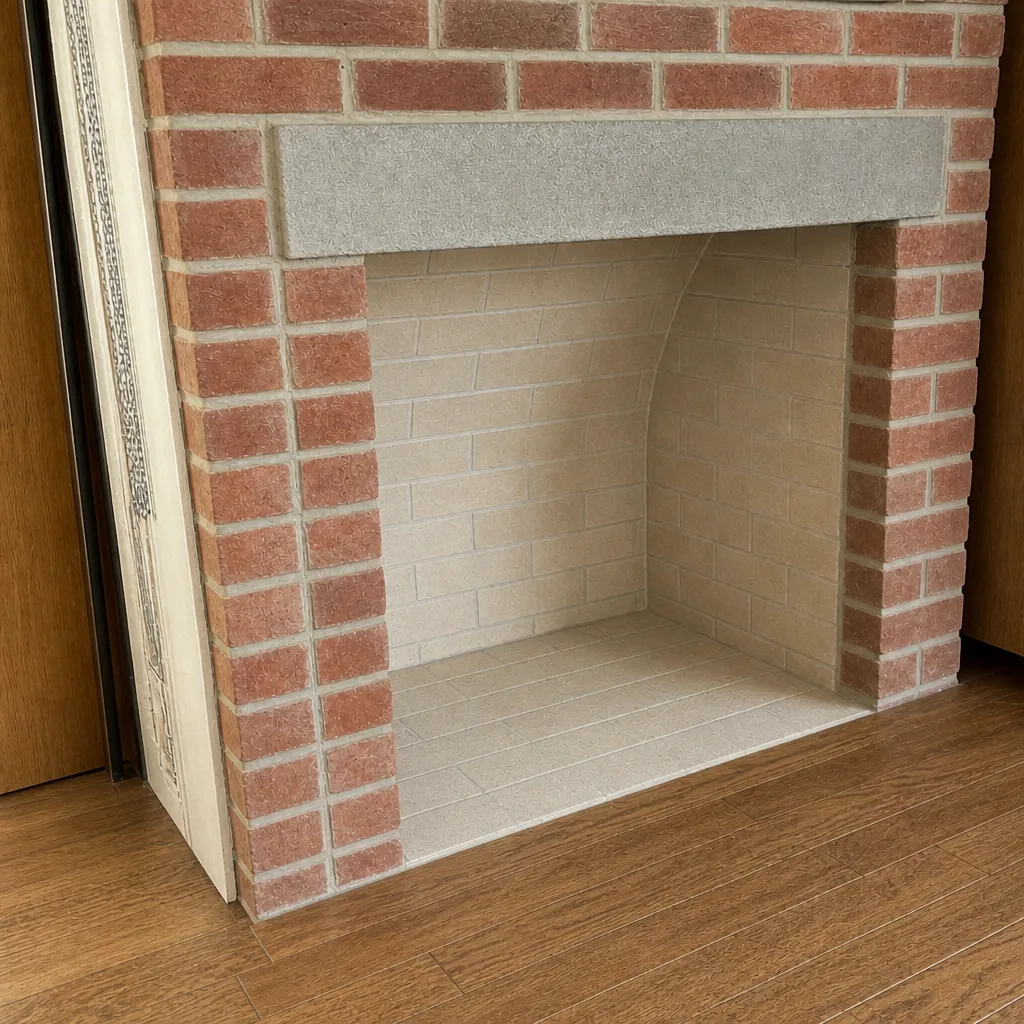
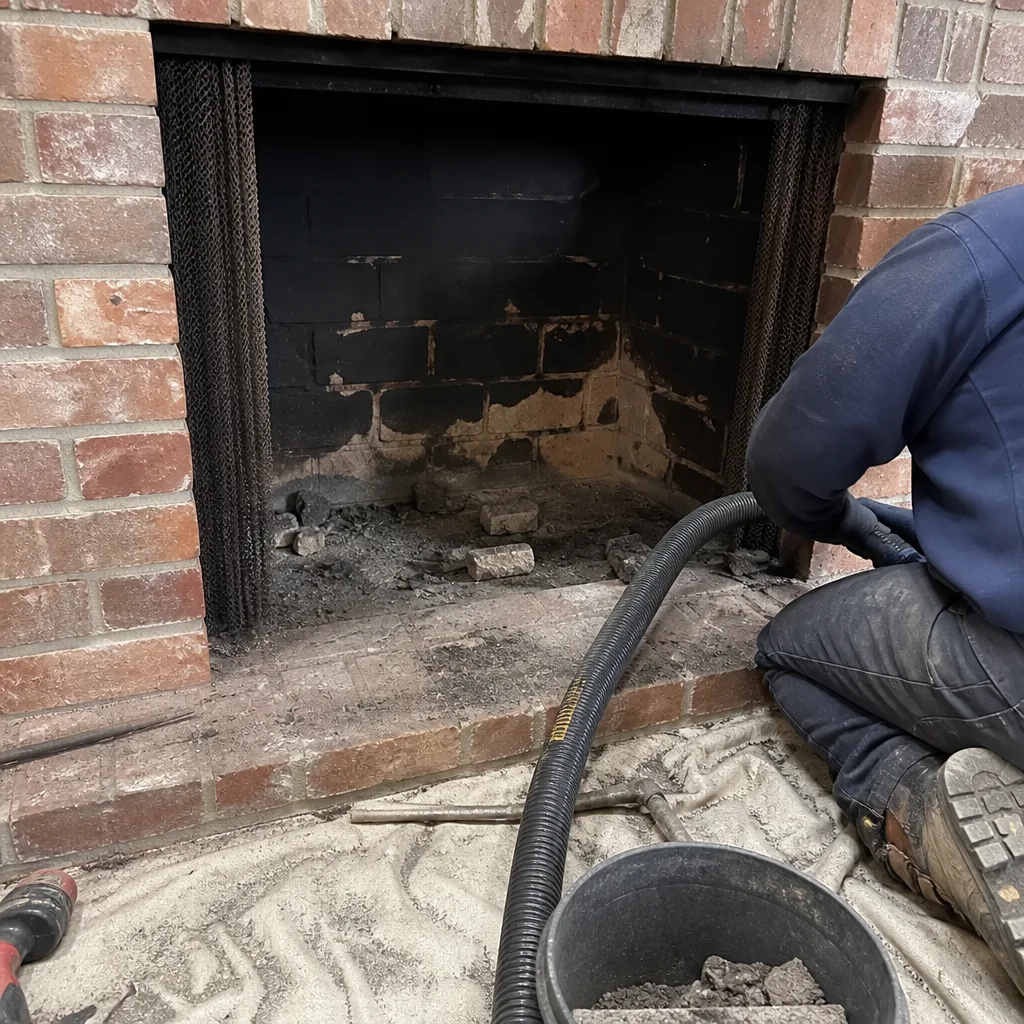
See the difference
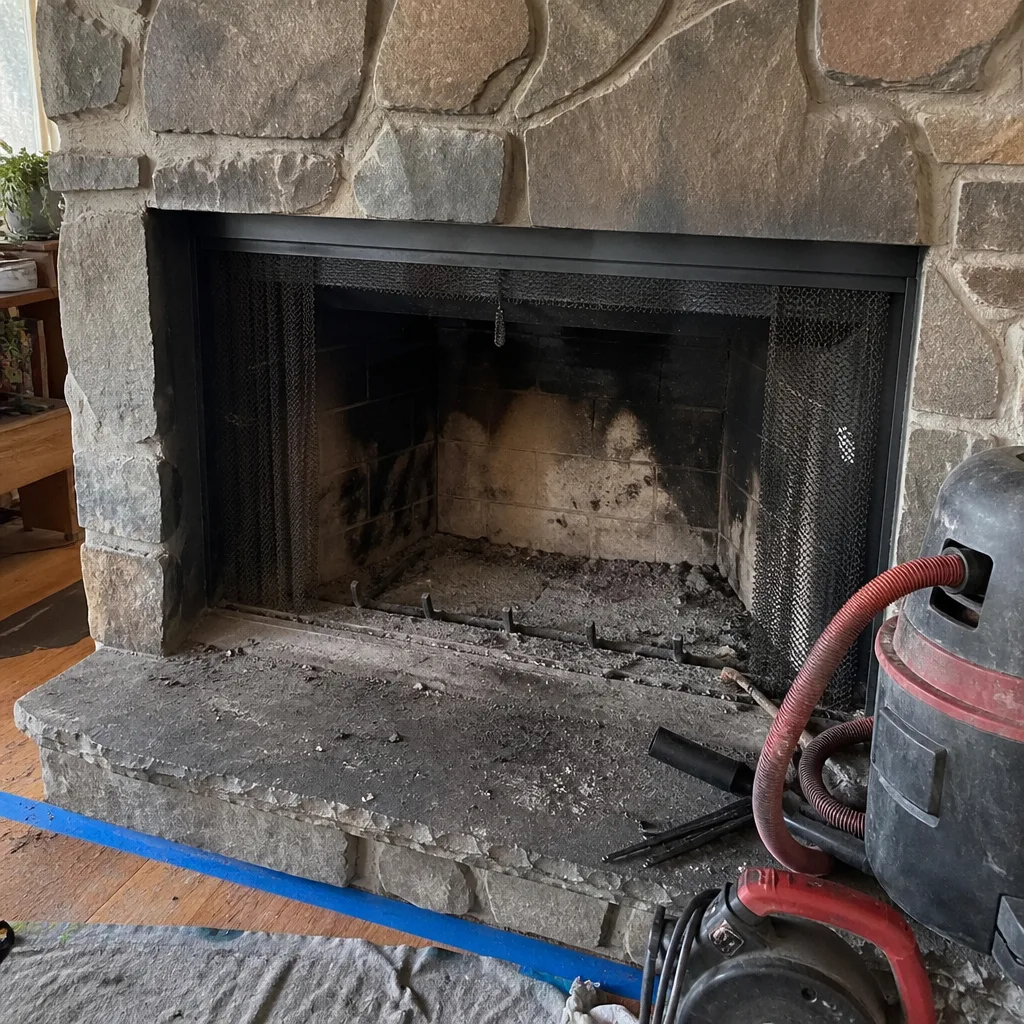 Before
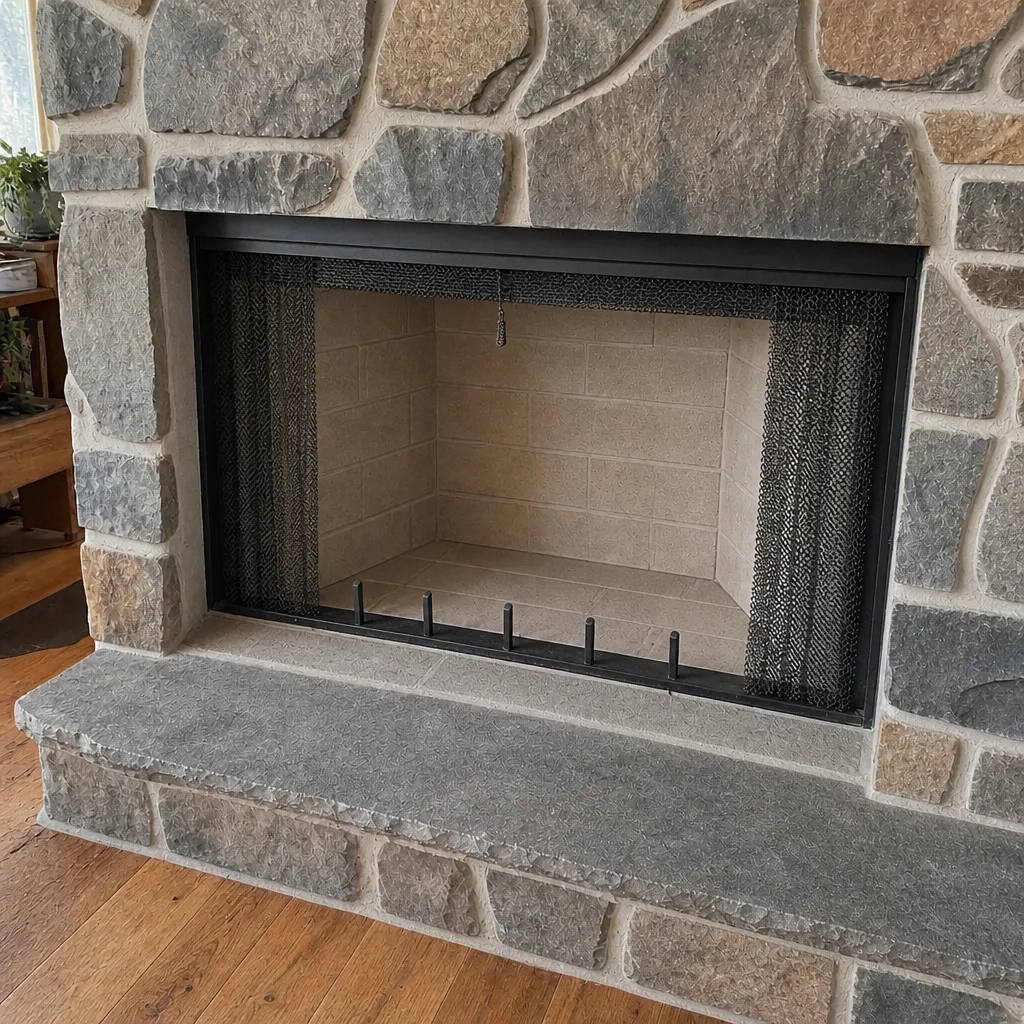 After
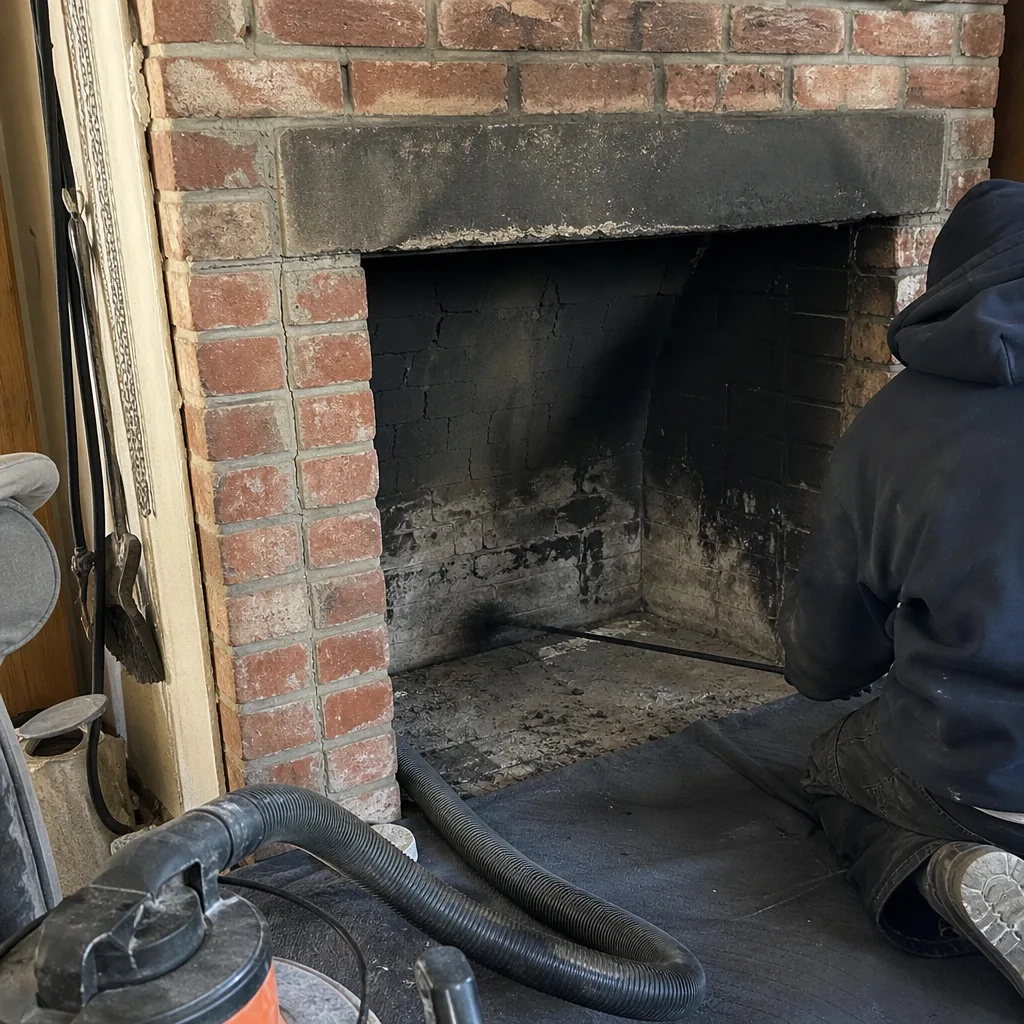 Before
 After
 Before
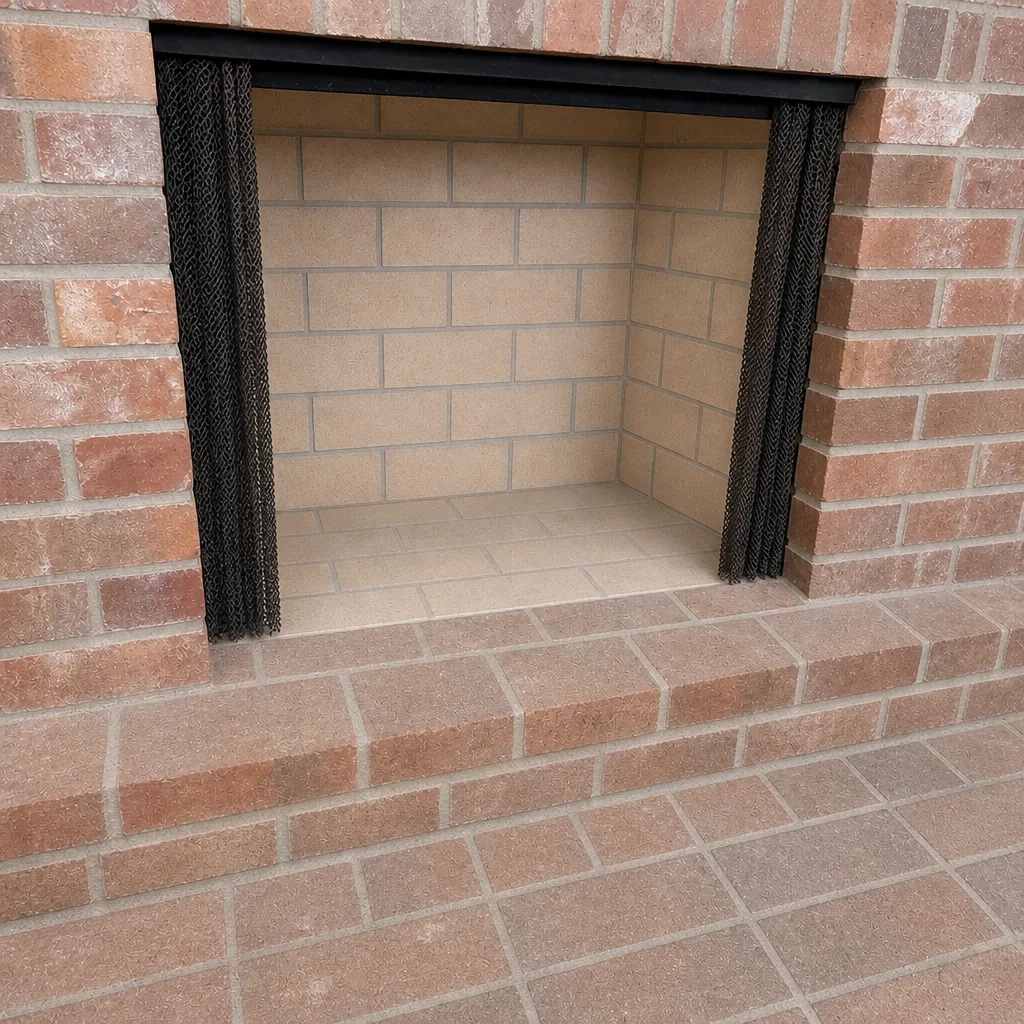 After
When to Call a Professional
Call a professional if any of these apply: the creosote layer is at or past 1/8 inch, you’ve burned heavily for a season and haven’t swept since last year, the crown or cap shows cracks or missing pieces, you notice smoke backing up into the room, a strong smell lingers when the fireplace is unused, or the firebox brick or mortar has obvious damage. If a repair is flagged, ask to see the camera evidence before you commit to it, and ask whether the work can wait until the next season. A sound chimney is a safety system, and the professional’s job is to tell you the truth about it. Kent Chimney Sweep Pros offers free estimates in Kent and handles the full scope, from sweep to liner repair to cap and crown work. Call (877) 699-0126. We answer 24/7. Fast dispatch from 7am to 7pm, Sunday through Friday.
Frequently Asked Questions
At least once a year, and more often if you burn frequently. For most homes, the right schedule is one pre-season sweep in September and a spring inspection in April. Heavy users, or anyone burning damp wood, should sweep when the creosote reaches 1/8 inch, which may mean a mid-season check. Call (877) 699-0126 for an exact quote; estimates are free.
Only if your inspector can show you evidence that the old one is failing: cracks, gaps, corrosion, or a camera scan that reveals a clear break. A liner recommendation without a camera inspection and a visible photo report is worth pushing back on. Our process includes a camera inspection and photo report with every visit, so the decision is made on what you can see. Call (877) 699-0126 for an exact quote; estimates are free.
Creosote builds up and hardens, which raises the fire risk, and small crown or cap cracks widen with each wet-dry cycle. In Kent, skipping the spring check is the bigger risk, because that’s when moisture damage is easiest to catch before it becomes structural. None of this is a scare tactic; the fix is usually a sweep and a reseal if you catch it early. Call (877) 699-0126 for an exact quote; estimates are free.
Gas fireplaces need an annual inspection, but they don’t accumulate the same creosote load. The spring check is still worth doing, because venting and the firebox can deteriorate in ways you won’t see from the living room. A professional inspection catches what a visual check from the couch can’t. Call (877) 699-0126 for an exact quote; estimates are free.
You can safely check the damper, do a ground-level inspection of the cap and crown with binoculars, and log your burns. Don’t sweep or climb the roof yourself; the flue is a confined space and the roof is a fall risk. Leave the flue work to a trained professional. Call (877) 699-0126 for an exact quote; estimates are free.
The product lines that show up in professional work are the ones supplied for full-system care, not the consumer-grade patch kits. We work with DuraFlex flexible liner systems for full relining, HeatShield for flue resurfacing, and Gelco, Olympia Chimney, Famco, and Copperfield for caps, crowns, and related components. The product matters less than the inspection that decides whether it’s needed. Call (877) 699-0126 for an exact quote; estimates are free.
No. The estimate is free, and the price is set per job by the written estimate, so you know the cost before any work starts. There’s no service-call fee or trip charge. Call (877) 699-0126 for an exact quote; estimates are free.
The Bottom Line
The right maintenance calendar in Kent is not one sweep a year in a random month. It’s two touchpoints, one in September to prepare and one in April to protect, plus a mid-season check if you’re a heavy burner or you use damp wood. The spring check is the one most people skip, and it’s the one that catches crown and cap damage before the next winter breaks it open. Keep a log, watch the creosote level, and never sweep or inspect the flue yourself. Our technicians have up to 9 years of experience with the full system, from the sweep to the fireplace repair and the structural work above it. Kent homeowners deserve a schedule built around how they burn, not a generic checklist. For the full picture of what we do, see Kent Chimney Sweep Pros, and call (877) 699-0126 for a free estimate. We answer 24/7. Fast dispatch from 7am to 7pm, Sunday through Friday.
Written by the team at Kent Chimney Sweep Pros.