
Last updated November 25, 2026
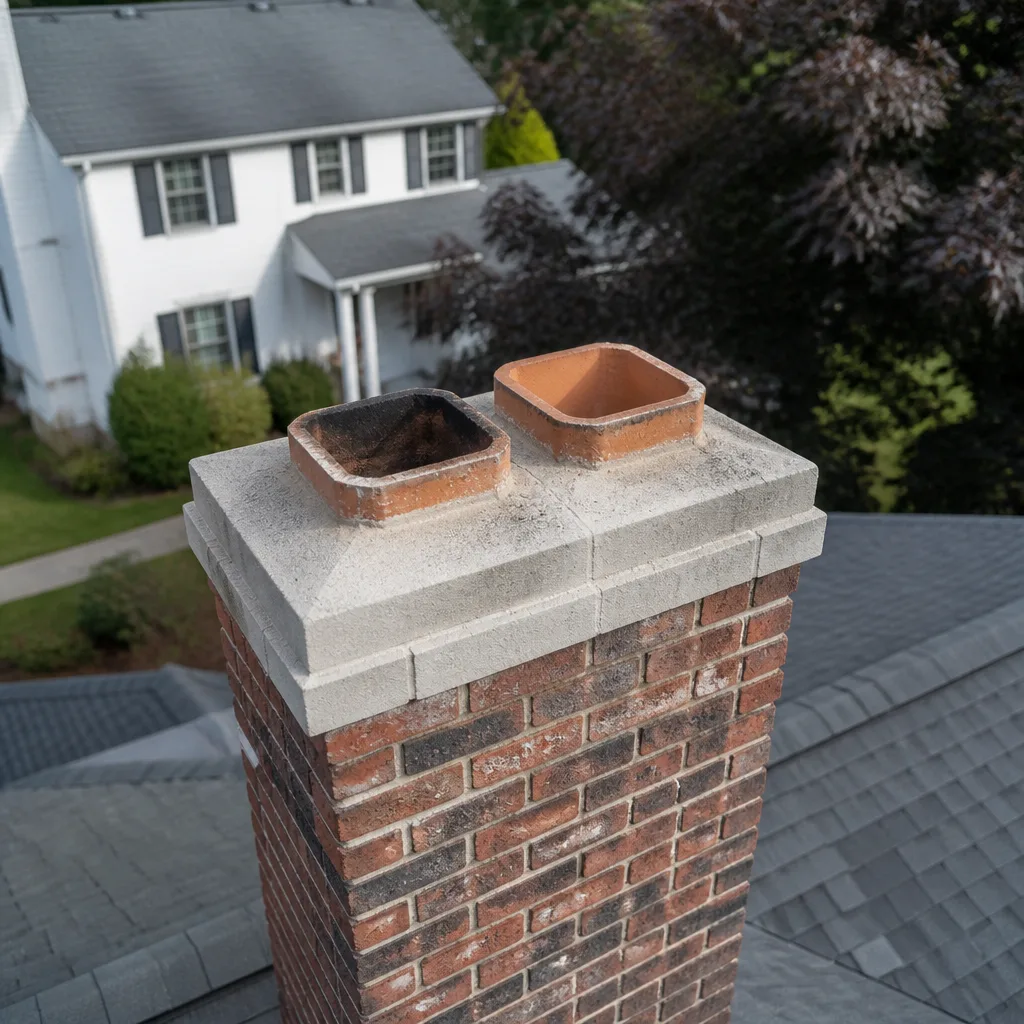 Sweep & inspection
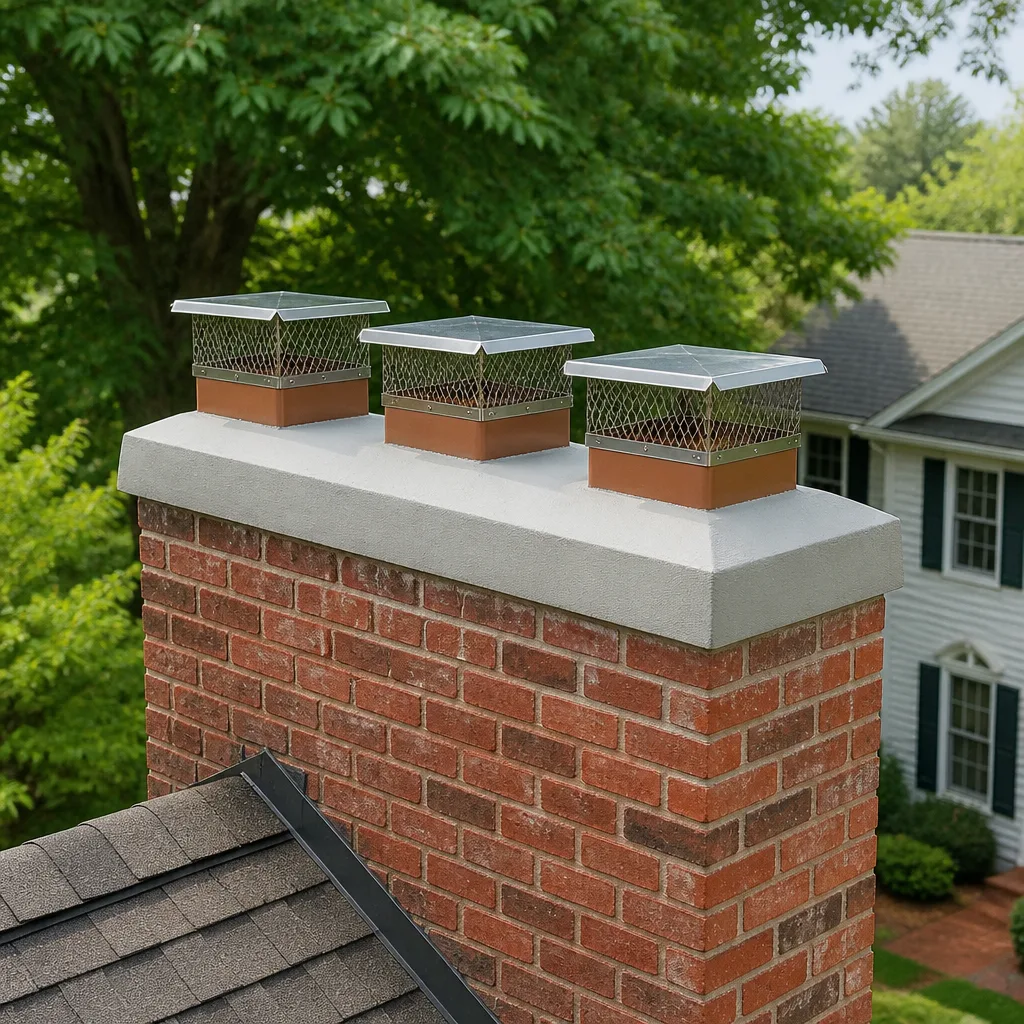 Caps & crowns
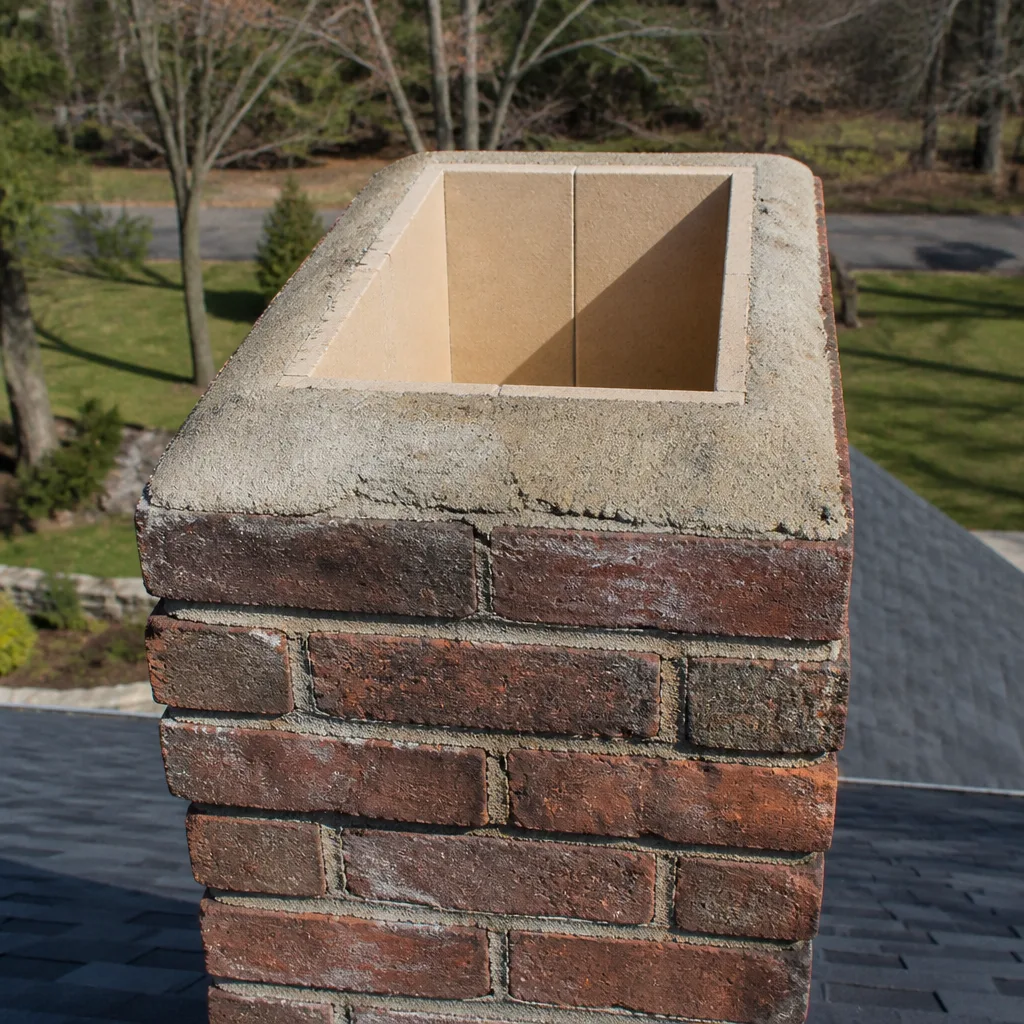 Flue relining
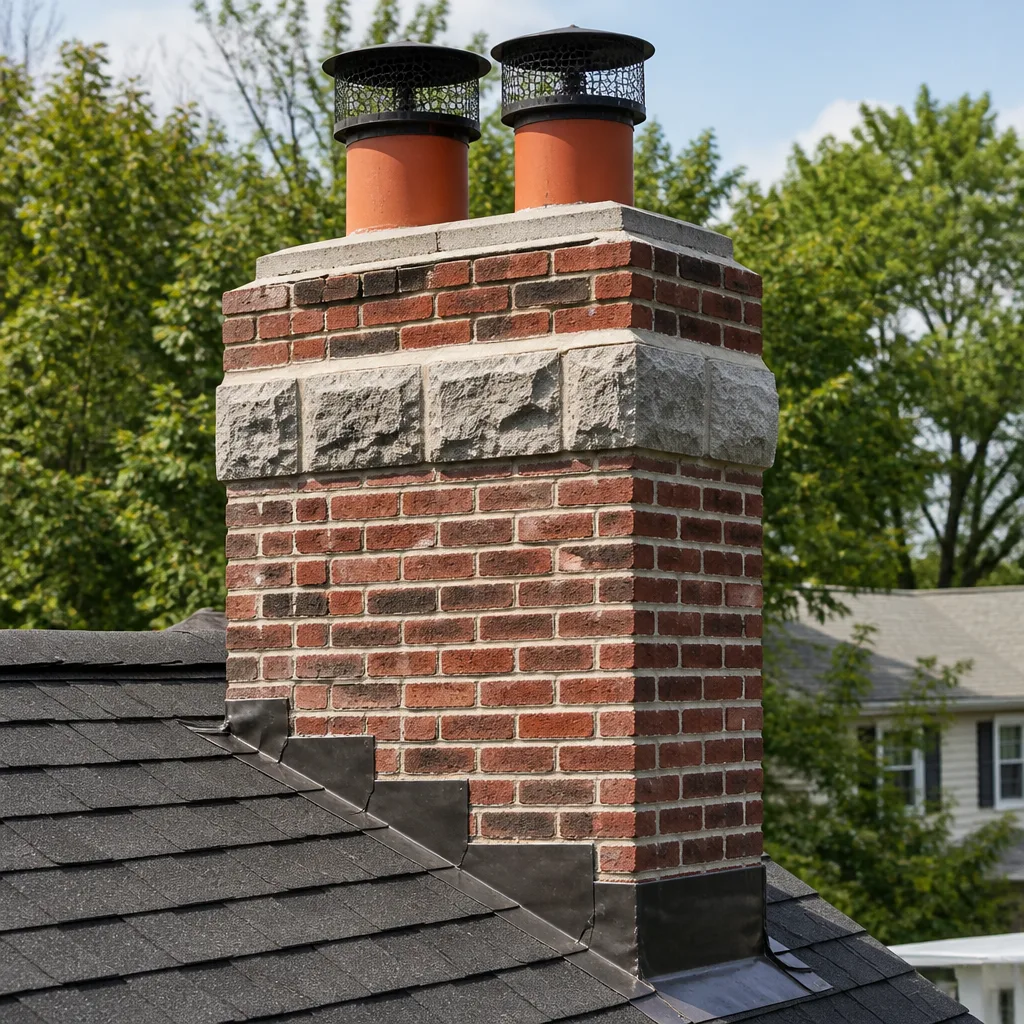 Masonry repair
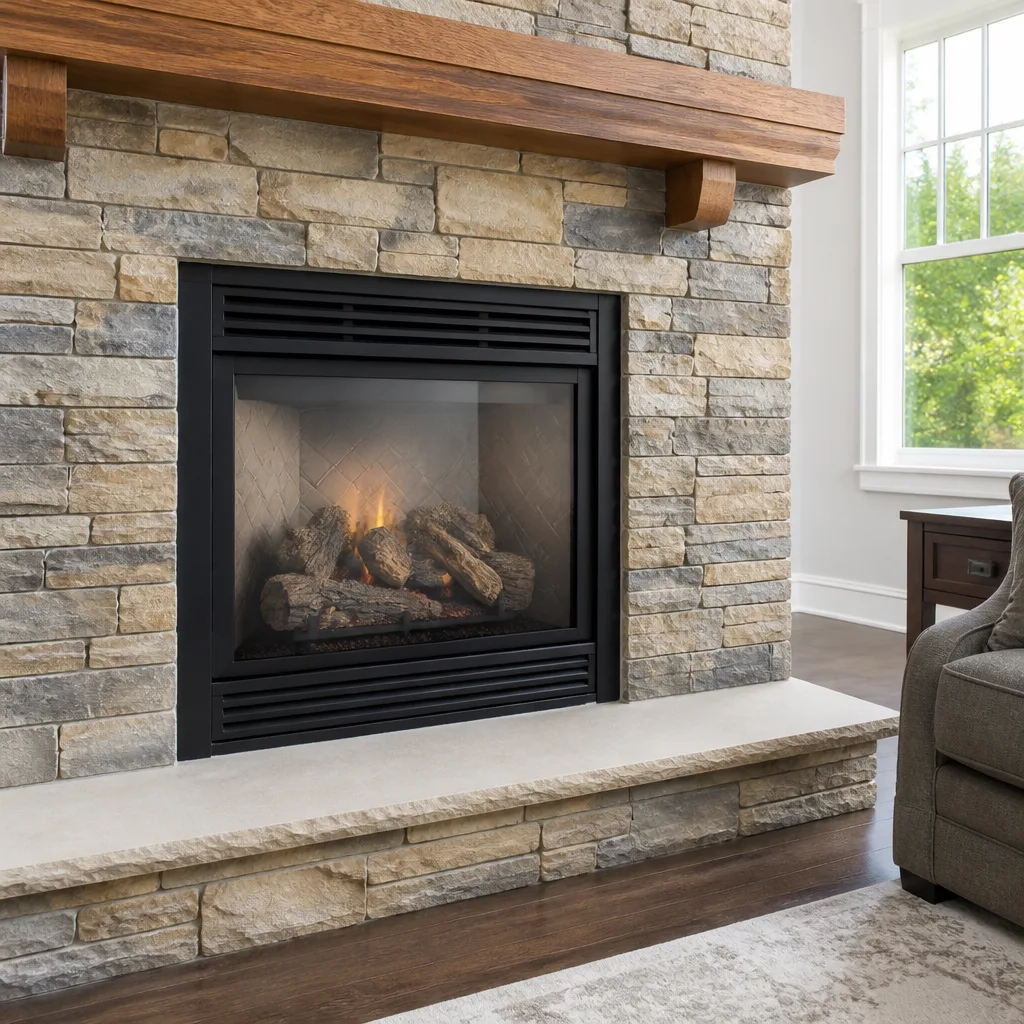 Gas fireplace service
Level 1 sweep and inspection to the NFPA 211 annual standard - flue, crown, cap, and flashing checked and photographed
Chimney sweep logs do not sweep chimneys. They loosen some creosote - which then falls where a brush and vacuum still have to collect it.
Chimney Sweep Troubleshooting in Kent: Common Problems and How to Fix Them
Most homeowners blame the weather when a chimney starts acting up. Rain gets in, the fire smokes, the bricks look tired, and the conclusion is that Kent’s wet climate simply won. That conclusion is usually wrong. A chimney that smokes only during rain isn’t fighting the weather; it’s telling you the cap or crown has failed and water is reaching the flue. Those are two different repairs with two very different price tags, and guessing wrong costs money. This guide maps the symptoms Kent homeowners actually report to the failures behind them, explains how western Washington’s rain load accelerates specific damage, and shows you how to describe what you’re seeing so a technician diagnoses the real problem instead of selling you a fix you don’t need.
Quick Answer
In Kent, most chimney problems trace back to water intrusion through a failed cap, crown, or flashing, which then causes smoke backdraft, musty odors, spalling brick, and rusted dampers. A routine sweep solves creosote and airflow issues, but structural symptoms like cracking, staining, or smoky fires on rainy days need repair work, not just cleaning. Diagnosing which category your symptom falls into before you book anything is the single best way to avoid paying for the wrong service.
Styles & brands we work with
- Sweep & inspection
- Caps & crowns
- Flue relining
- Masonry repair
- Gas fireplace service
Table of Contents
- Symptom-to-Cause Mapping: What Your Chimney Is Telling You
- How Kent’s Wet Climate Accelerates Chimney Failures
- Smoke Backdraft on Rainy Days: Cap and Crown Failures
- Cleaning Fixes vs. Repair Fixes: Knowing the Difference
- DIY Cameras vs. a Level 2 Inspection
- How to Describe Your Symptom Accurately to a Technician
- Moss, Mortar, and Moisture: Kent Roof Dynamics
- When a Liner Repair Becomes a Full Reline
Symptom-to-Cause Mapping: What Your Chimney Is Telling You
Chimneys fail in predictable ways, and each failure produces a distinct symptom. Learn the map and you’ll walk into any service call knowing roughly what’s wrong before the technician climbs the roof. That knowledge is your best protection against being talked into unnecessary work.
- Smoke rolling back into the room: a blocked flue, a failed cap, or negative pressure from a tight house. Rain-only backdraft points to water in the flue.
- Musty or smoky smell with no fire burning: moisture trapped in the flue or firebox, often from a cracked crown or missing cap.
- Visible cracking on the exterior: spalling brick or failing mortar joints, driven by freeze-thaw cycles and constant wetting.
- White or brown staining: efflorescence from water moving through masonry, or creosote leaching through the brick face.
- Rusted damper or firebox hardware: water entering from above and sitting in the firebox.
- Crumbling mortar on the chimney crown: the crown is cracked and no longer shedding water away from the flue.
- Poor draft that improves on warm, dry days: the thermal column is being disrupted by moisture, not by a design flaw.
A symptom can point to more than one cause, which is why an on-site inspection always beats a phone diagnosis. But the map narrows the field fast. If you tell us your chimney smokes only in the rain, we know to look at the cap and crown first, not to start pricing a reline. That’s the value of an inspection-first approach: the diagnosis drives the quote, not the other way around.
For a closer look at the full scope of what a professional chimney assessment covers, see our Kent Chimney Sweep Pros overview before you book.
How Kent’s Wet Climate Accelerates Chimney Failures
Chimneys in western Washington take a beating that chimneys in drier parts of the country don’t. The pattern here is months of steady rain followed by cool nights and, in some winters, hard freezes. Masonry is porous. When brick and mortar soak up water and then freeze, the water expands and pushes the surface apart from the inside. Repeat that cycle enough times and you get spalling: brick faces flaking off, mortar joints washing out, and a chimney that looks decades older than its neighbors in a drier climate.
The failures this climate drives hardest in Kent:
- Spalling brick and eroded mortar: the most common exterior damage we see on Kent chimneys, driven by wetting and freeze-thaw.
- Rusted dampers and firebox hardware: water that gets past a bad cap or crown lands in the firebox and corrodes steel.
- Washed-out crown mortar: the crown takes the full rain load, and hairline cracks grow into real leaks quickly here.
- Efflorescence and interior staining: a cosmetic warning sign that water is moving through the masonry.
- Moss on nearby roof surfaces: a reliable signal that the chimney’s own surfaces stay wet far longer than they should.
What makes this local pattern tricky is that the damage is slow and mostly hidden. A chimney can look fine from the ground while water is quietly working through the crown and into the flue. That’s why a periodic inspection matters more here than in a dry climate. The fix for most of it is preventive and inexpensive compared with structural repair: a properly fitted cap and a sound crown shed water before it ever reaches the flue. It’s the layer most chimney services skip, and it’s the layer that protects everything else.
Smoke Backdraft on Rainy Days: Cap and Crown Failures
If your fireplace only smokes into the room when it rains, the draft design is probably fine. Water is getting into the flue and cooling the rising column of warm air, and a cold flue drafts poorly. The same fire in the same fireplace on a dry day pulls cleanly because nothing is disrupting the column. Chase the draft and you’ll chase it forever; chase the water and you’ll fix it.
Here’s how a technician works through rain-only backdraft, in order:
- Check the cap. A missing or damaged cap lets rain straight down the flue. A cap with clogged mesh blocks airflow and holds moisture. Either one disrupts draft.
- Inspect the crown. Cracks in the crown let water seep into the masonry around the flue, where it stays wet and drains slowly into the firebox.
- Check the flashing. Where the chimney meets the roof, failed flashing lets water run down the outside of the flue and into the attic or ceiling.
- Look inside the flue. A camera inspection shows whether water is pooling, whether the liner is compromised, and whether creosote has combined with moisture to form a stubborn glaze.
The distinction matters for cost. A new cap is a modest, straightforward job. Crown repair is a bigger piece of work. A full reline is bigger still, and it’s only justified when the inspection shows the liner itself is failing. The one thing you should never do is accept a reline quote for a problem the technician hasn’t shown you on camera. A cap, a crown, and a liner are three separate repairs at three separate price points, and a rain-only backdraft most often points to the first two.
Cleaning Fixes vs. Repair Fixes: Knowing the Difference
A sweep removes creosote, soot, and blockages, and that genuinely fixes some problems. It does not fix structural damage, and no amount of cleaning will close a cracked crown or a compromised liner. Knowing which category your issue falls into is the difference between a maintenance visit and a repair bill.
Problems a sweep alone can solve:
- A restricted flue from accumulated creosote or soot buildup.
- A draft that’s sluggish because the flue is clogged with debris or a bird’s nest.
- Odors caused by soot and creosote residue in the firebox.
- General performance restored by clean, unobstructed airflow.
Problems that need repair, not cleaning:
- Cracks in the crown, flashing, or the flue liner itself.
- Spalling brick and eroded mortar joints.
- A rusted damper or corroded firebox hardware.
- Water staining on interior walls that points to a leaking system.
- A liner that’s cracked, deteriorated, or was never properly sized.
The trap is a sweep-only company that cleans, finds structural damage it can’t fix, and either leaves the problem or refers it out. Doing it as one job, with the same company accountable from inspection through repair, keeps the diagnosis and the fix connected. Our chimney repair work starts with the same honest assessment the sweep does, and we handle the full chimney system: sweeping, inspection, liner repair, cap and crown installation. No handoff, no second contractor, no gap where the diagnosis gets lost.
DIY Cameras vs. a Level 2 Inspection
Cheap inspection cameras are everywhere now, and they catch some problems. They miss more than they catch, and the difference between a phone-camera peek and a proper inspection is the difference between guessing and knowing. A homeowner with a camera can see the top of the flue. A trained technician with professional equipment sees the whole flue: joints, offsets, the smoke chamber, and the liner’s true condition.
When each approach is appropriate:
- A basic visual check by the homeowner: fine for spotting obvious exterior issues like a missing cap, cracked crown, or visible staining after a storm. It’s a first look, not a diagnosis.
- A DIY camera inspection: occasionally useful for confirming a total flue blockage or a bird’s nest when smoke won’t draw at all. It won’t assess liner integrity or hairline cracks.
- A professional Level 2 inspection: the right call after any change in performance, after a chimney fire risk event, when you’re buying or selling a home, or any time you’re considering a repair quote. This is what reveals the causes behind the symptoms.
What makes a professional inspection different isn’t just the camera. It’s the person reading it. A tech who’s seen hundreds of flues recognizes a failing liner joint by its pattern, not just by a single visible crack. If you’re evaluating a diagnosis, ask to see the camera footage. A trustworthy answer comes with evidence you can look at yourself. That’s the standard we hold to: nothing gets recommended without camera evidence in a photo report the homeowner can review.
How to Describe Your Symptom Accurately to a Technician
Vague descriptions get vague answers, and vague answers are where unnecessary work creeps in. The homeowner who says “the chimney’s been acting up” invites a broad inspection and a broad quote. The homeowner who says “it smokes only when it rains, and the fire burns fine otherwise” has already narrowed the diagnosis. Being precise isn’t about technical language; it’s about specifics.
Before you call, note these details:
- When it happens: only in rain, only in certain wind directions, only when the fire is starting up, only on cold mornings.
- What you see: smoke rolling into the room, staining on brick or walls, visible cracks, crumbling mortar, rust, or a smell.
- What you smell: a smoky odor when no fire is burning, a damp musty smell, or nothing unusual.
- What you hear: a roaring or popping sound during a fire, which points to a dangerously hot creosote fire and warrants stopping use until inspected.
- What changed: a new roof, a storm, a change in how you burn, a recent home purchase.
One more detail helps: describe how you burn. In Kent, many homes burn seasoned softwood or the region’s abundant western red cedar, and how wood is seasoned and stacked in a wet climate affects creosote buildup significantly. Wood that’s been wet and burns cool leaves more creosote than dry, well-seasoned wood; it also means more smoke and more residue over time. Tell the technician what you burn and how it’s stored, and they can tell you whether part of your problem is simply burn practice rather than the chimney itself. That conversation alone can save you from a repair you don’t need. It’s part of what a thorough chimney sweep visit should cover, alongside the cleaning.
Moss, Mortar, and Moisture: Kent Roof Dynamics
Moss on a Kent roofline isn’t just a landscaping nuisance. It’s an indicator. Moss grows where surfaces stay wet, and a chimney surrounded by moss-covered shingles is a chimney whose own brick and mortar are absorbing rain season after season. The moss tells you the roof stays damp; the chimney, being porous and vertical, catches the same weather on its own surfaces and wicks it inward. Most of our structural findings in Kent chimneys are water-driven rather than fire-driven.
What this means for your chimney’s health, in practical terms:
- The crown is your first line of defense. If it sheds water cleanly, the masonry below stays drier. A cracked crown lets water in slowly and constantly.
- The cap protects the flue opening. Without one, rain enters directly and the flue liner stays wet, corroding and deteriorating faster.
- Mortar joints are the vulnerable edge. Washing out over time, they should be repointed before the brick behind them loosens.
- Flashing is the common leak point. Where the chimney joins the roof is where most interior staining starts.
- Poor water shedding accelerates everything. Each wetting cycle compounds the last, which is why prevention pays back here.
The repair methods we use are built for this. A crown that’s resealed and restored with a product like Gelco resists water penetration far better than a bare mortar cap, and a properly fitted cap with the right mesh keeps both rain and animals out while letting smoke escape. For homeowners thinking about where water is penetrating around the chimney-to-roof junction, our fireplace repair work often starts with the same moisture diagnosis.
When a Liner Repair Becomes a Full Reline
Not every liner problem means a full reline, and this is where a lot of homeowners get talked into expensive work they may not need. A liner with a localized crack or a deteriorated patch can sometimes be resurfaced rather than replaced. Full relining is the right answer when the liner is cracked along its length, separated at joints, the wrong size for the appliance, or otherwise beyond what resurfacing can safely restore. The camera evidence, not the sales pitch, should make the call.
How a technician should walk you through it:
- Confirm the liner’s condition with a camera. Length, location, and severity of any cracks or gaps get documented.
- Assess whether resurfacing is viable. A specialist resurfacing system like HeatShield can restore a liner that’s damaged in specific, localized ways. It’s not right for every liner failure, and it’s not a solution every sweep company carries.
- Recommend full relining if the liner is compromised along its length. DuraFlex flexible liner systems are the solution for that scope of work, sized to the flue and appliance.
- Explain the reasoning, then quote. You should be able to see the evidence and understand why the answer is repair, resurface, or reline before you commit to anything.
Ask plainly: “Is this a repair, a resurface, or a reline, and can you show me why?” A technician with camera evidence can answer that in minutes. One who can’t may be selling a scope of work rather than solving a problem. If a liner really is failing, the answer is a reline and it’s worth doing properly. If it isn’t, a resurface or a simple repair may be all you need, and you shouldn’t be quoted for more.
Common Mistakes to Avoid
- Blaming the weather and skipping diagnosis. Blaming rain for a smoking chimney means the actual leak goes unfixed and keeps damaging the masonry. The weather is the trigger; the cap or crown is the failure.
- Assuming every problem needs a full reline. A single crack isn’t a failed system. Get camera evidence before agreeing to anything major, and ask whether resurfacing is an option.
- Using the fireplace after a chimney fire roar or pop. That sound is a warning that a hot creosote fire may have compromised the flue; stop using the fireplace and get it inspected before lighting another fire.
- Burning wet wood in a wet climate. Seasoned wood burns hotter and cleaner. In Kent’s damp season, wood stored poorly burns cool, loads the flue with creosote, and worsens everything else.
- Skipping the cap because “it looks fine.” A damaged or missing cap is one of the quietest causes of water damage. It doesn’t always show from the ground.
- Relying on a DIY camera and calling it inspected. A phone-camera peek misses what a proper inspection catches: liner joint failures, hidden cracking, and the story behind the symptom.
- Getting a quote without seeing the evidence. Any repair recommendation should come with camera footage you can review. If it doesn’t, ask for it before you decide.
See the difference
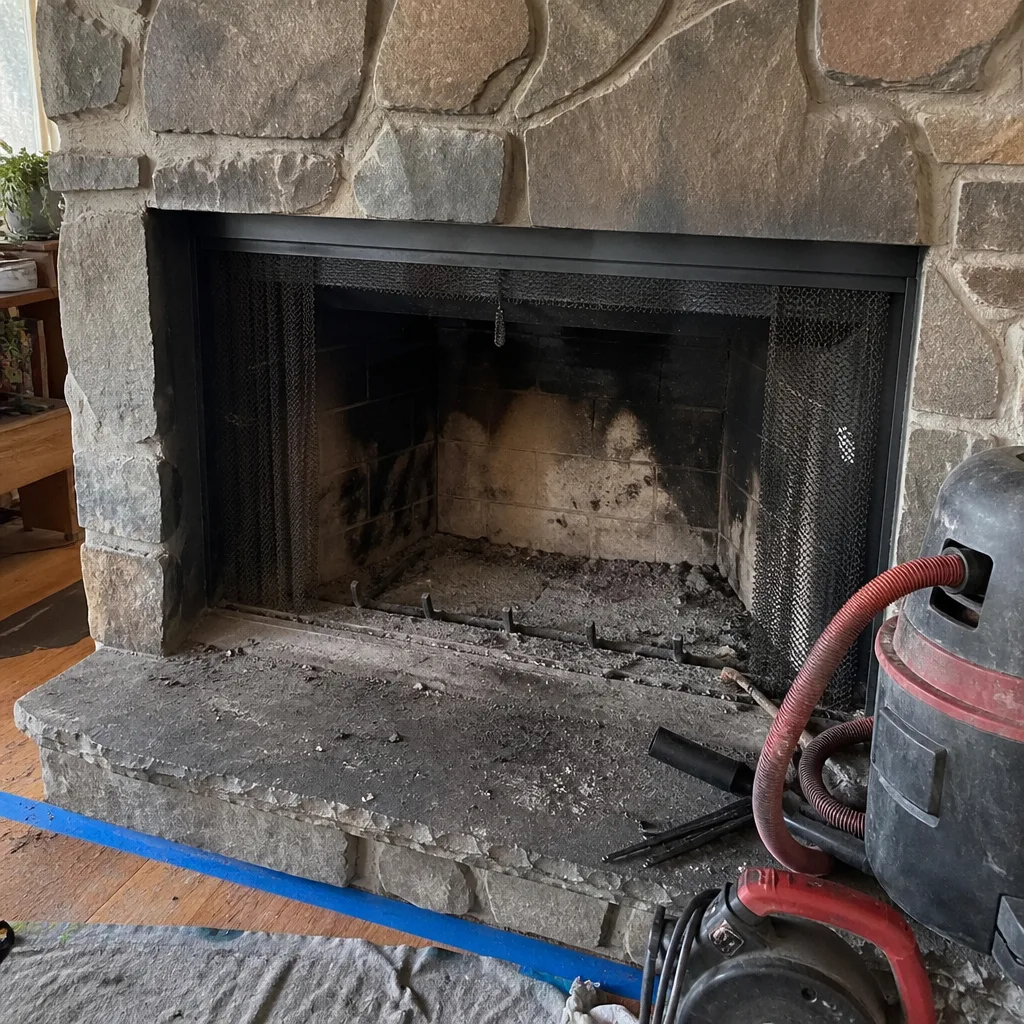 Before
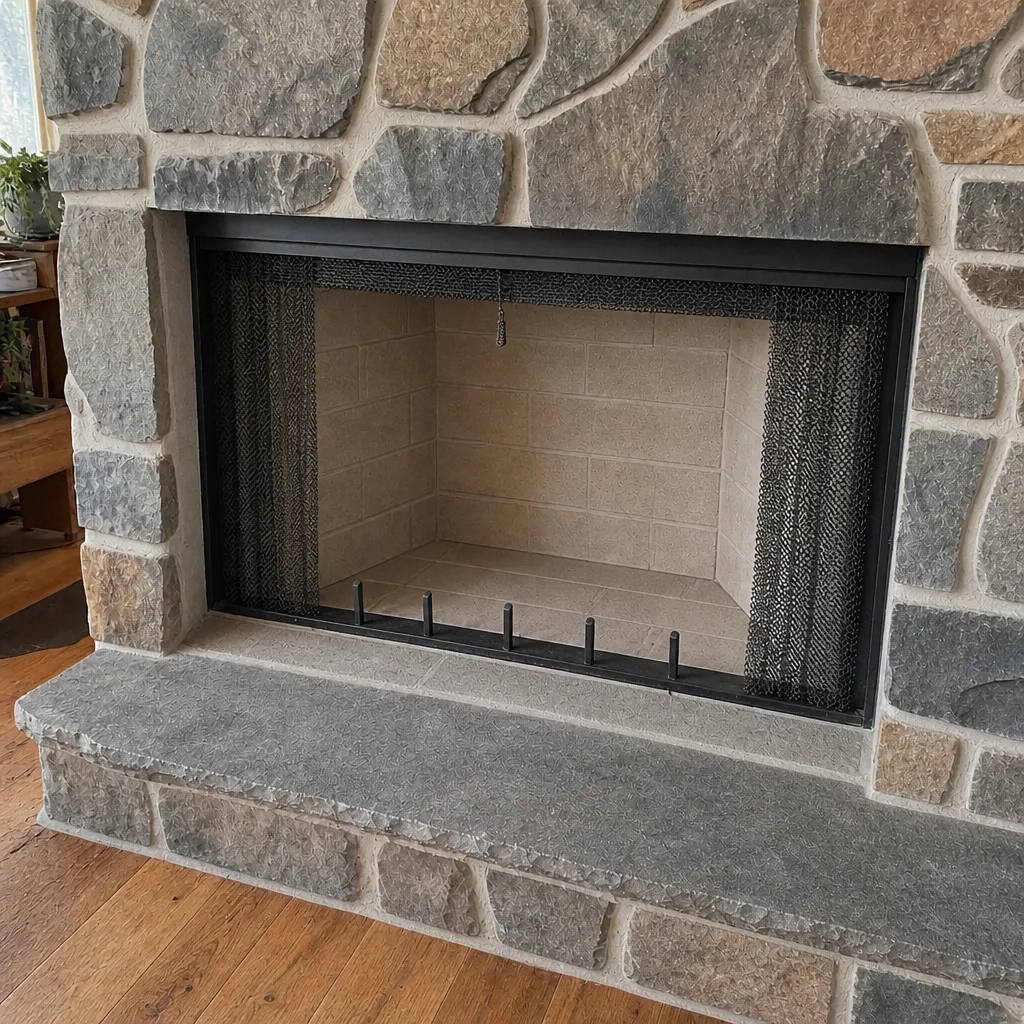 After
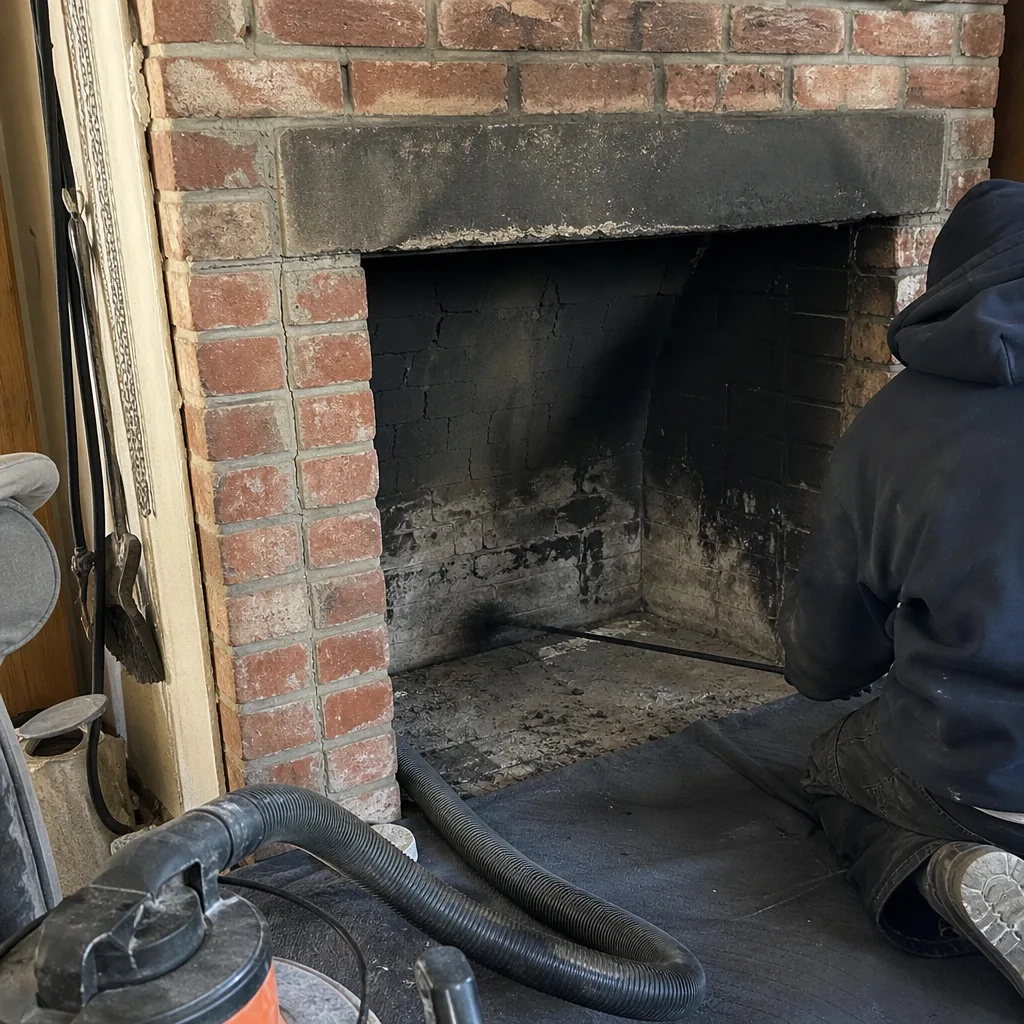 Before
 After
 Before
 After
When to Call a Professional
Call a professional when your chimney’s symptoms go beyond creosote and airflow, and when what you’re seeing points to water intrusion, cracked masonry, or a damaged liner. The specific cases we’d put at the top of the list: any roaring or popping sound during a fire, visible cracking or crumbling on the chimney exterior, staining on interior walls near the chimney, a smoky smell even when no fire is burning, and a fireplace that reliably smokes back on rainy days. Any of those means a proper inspection is due. And if you’re evaluating a repair quote from another company, get a second look with camera evidence in hand before you spend money. Kent Chimney Sweep Pros offers free estimates in Kent. Call (877) 699-0126. We answer 24/7. Fast dispatch from 7am to 7pm, Sunday through Friday.
Frequently Asked Questions
Rain-only backdraft almost always means water is getting into the flue, usually through a failed cap or a cracked crown, and cooling the rising air column so the fire can’t push smoke up the chimney. Fix the cap or crown, and the smoke usually stops. Call (877) 699-0126 for an exact quote; estimates are free.
A routine chimney sweep in Kent is typically priced per job based on how much creosote needs removing and the size of the flue, and it’s quoted before the work starts. Repair work beyond the sweep is a separate estimate. Call (877) 699-0126 for an exact quote. Estimates are free and the written estimate sets the final price.
Only if the inspection shows the liner is compromised along its length, cracked at the joints, or the wrong size for your appliance; a single localized defect may be resurfaced with a specialist system like HeatShield instead. Ask to see the camera footage and, if the answer is murky, get a second look before you commit. Call (877) 699-0126 for an evidence-based assessment; estimates are free.
Most wood-burning chimneys need sweeping about once a year, and more often if you burn heavily. In Kent’s wet climate, a yearly inspection also catches the water intrusion and spalling that are common here before they become structural. Call (877) 699-0126 to book an assessment. Estimates are free.
Creosote builds up and the fire risk rises, while water quietly damages the masonry and liner. Left alone, a cheap cap fix can turn into a crown repair or a reline. Ignoring a wet flue isn’t a wait-and-see situation. Call (877) 699-0126 to schedule an inspection; estimates are free.
Yes. Moss grows where surfaces stay wet, so moss covered shingles mean the roof and chimney are staying damp, which accelerates spalling brick and washed-out mortar. A chimney surrounded by moss deserves a closer look at its crown, cap, and mortar joints. Call (877) 699-0126 for an inspection; estimates are free.
The Bottom Line
Most chimney problems have a specific, diagnosable cause, and the symptom usually points straight at it: rain-only smoke means a cap or crown failure, staining means water intrusion, staining and rust together mean the same. Fix the cause and the symptom goes. Kent’s wet climate turns small failures into big ones faster than most homeowners expect, so a yearly inspection and a sound cap and crown are the cheapest protection you have. Clean what needs cleaning, repair what the camera evidence shows, and don’t let anyone talk you into more. A chimney is a full system, and treating it like one from the first inspection saves real money over time.
Book Your Kent Chimney Inspection
If your chimney has a symptom you can’t quite explain, start with an honest inspection before anything else. Kent Chimney Sweep Pros handles the full scope of chimney and fireplace service, from a routine sweep through liner repair, chimney repair, and cap and crown installation, so the diagnosis and the fix stay in one place. Our technicians have up to 9 years of experience, and they work with professional grade product lines including DuraFlex, HeatShield, Gelco, Olympia Chimney, Famco, and Copperfield. Call (877) 699-0126 for a free estimate. We answer 24/7. Fast dispatch from 7am to 7pm, Sunday through Friday.
Written by the team at Kent Chimney Sweep Pros.