
Last updated November 25, 2026
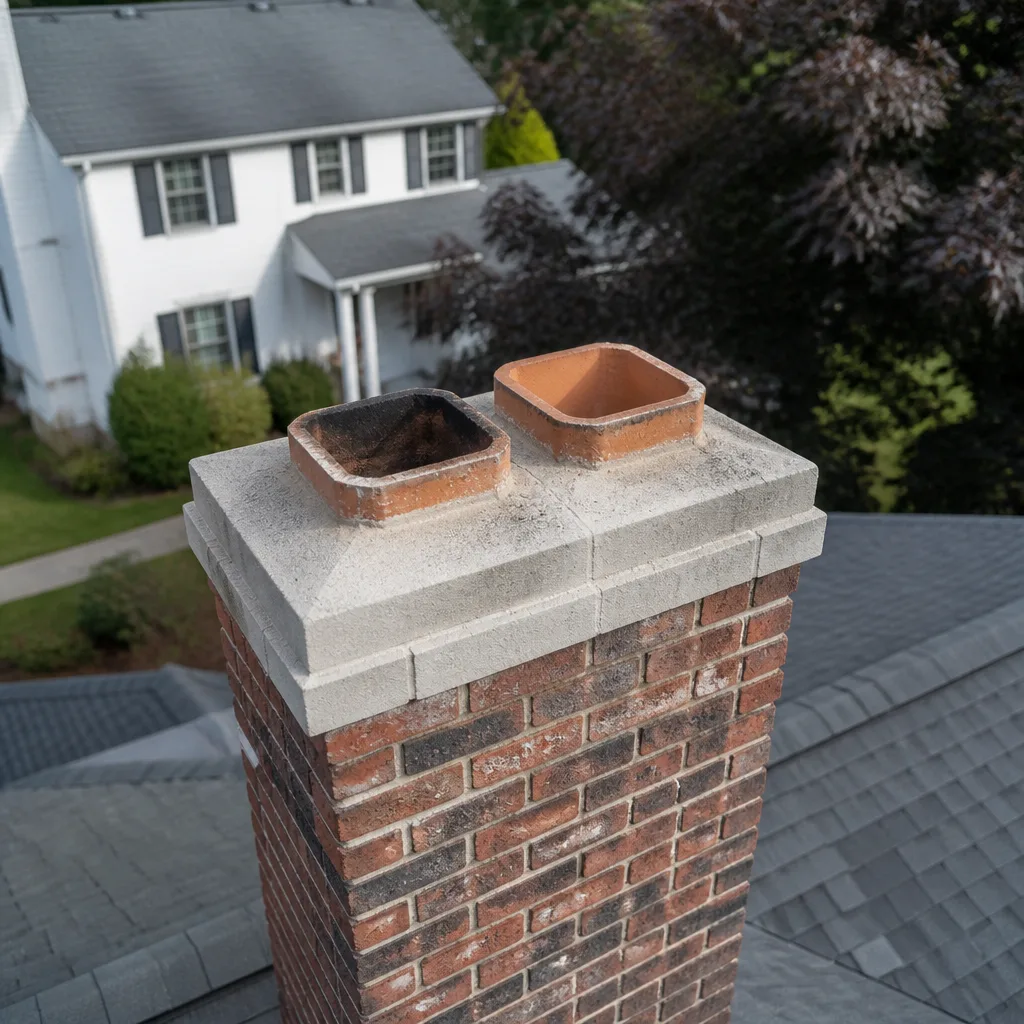 Sweep & inspection
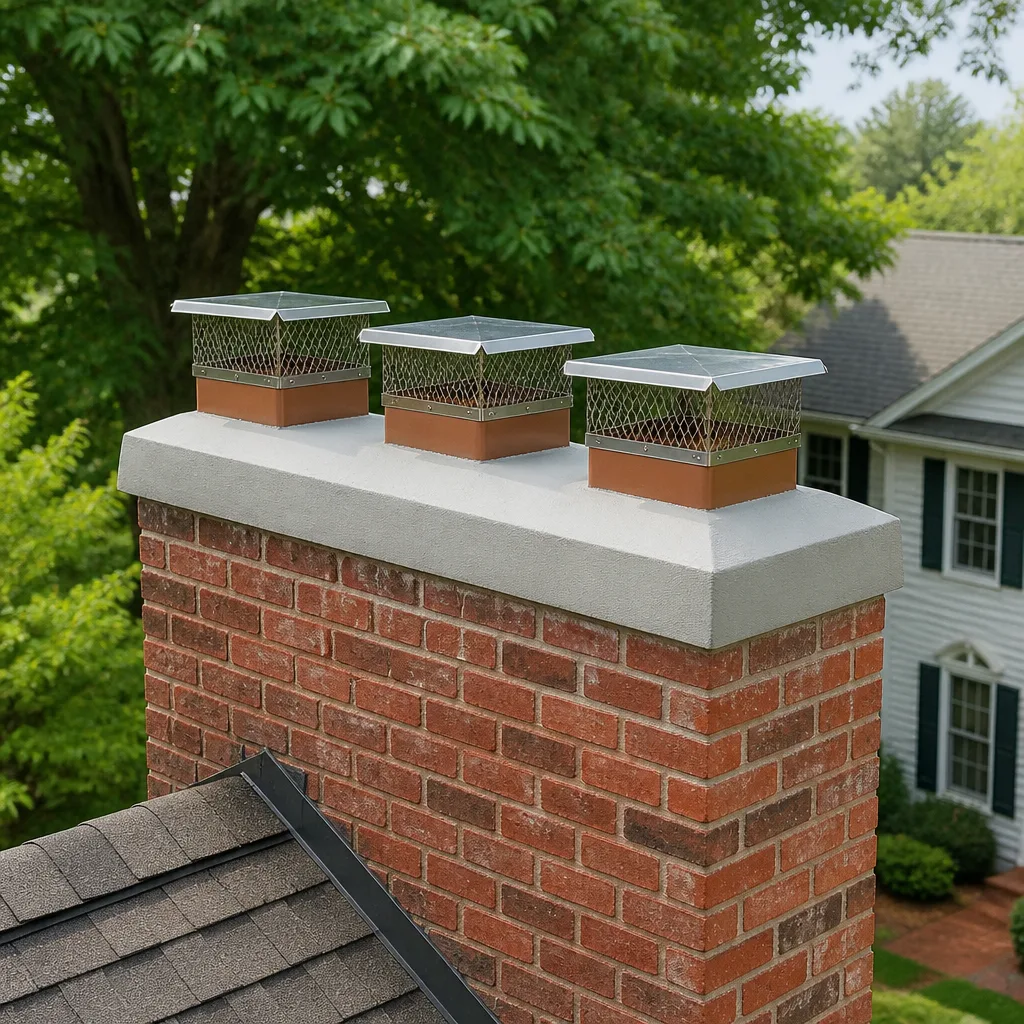 Caps & crowns
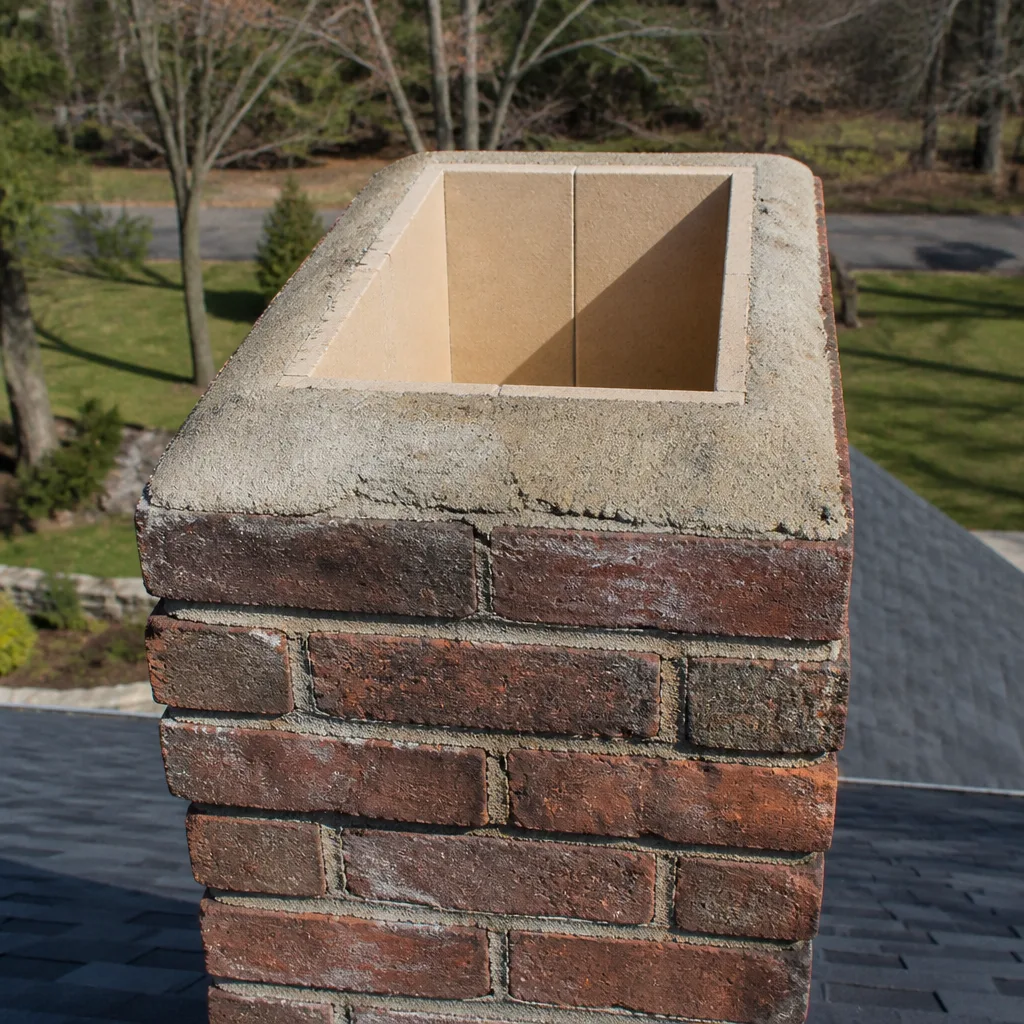 Flue relining
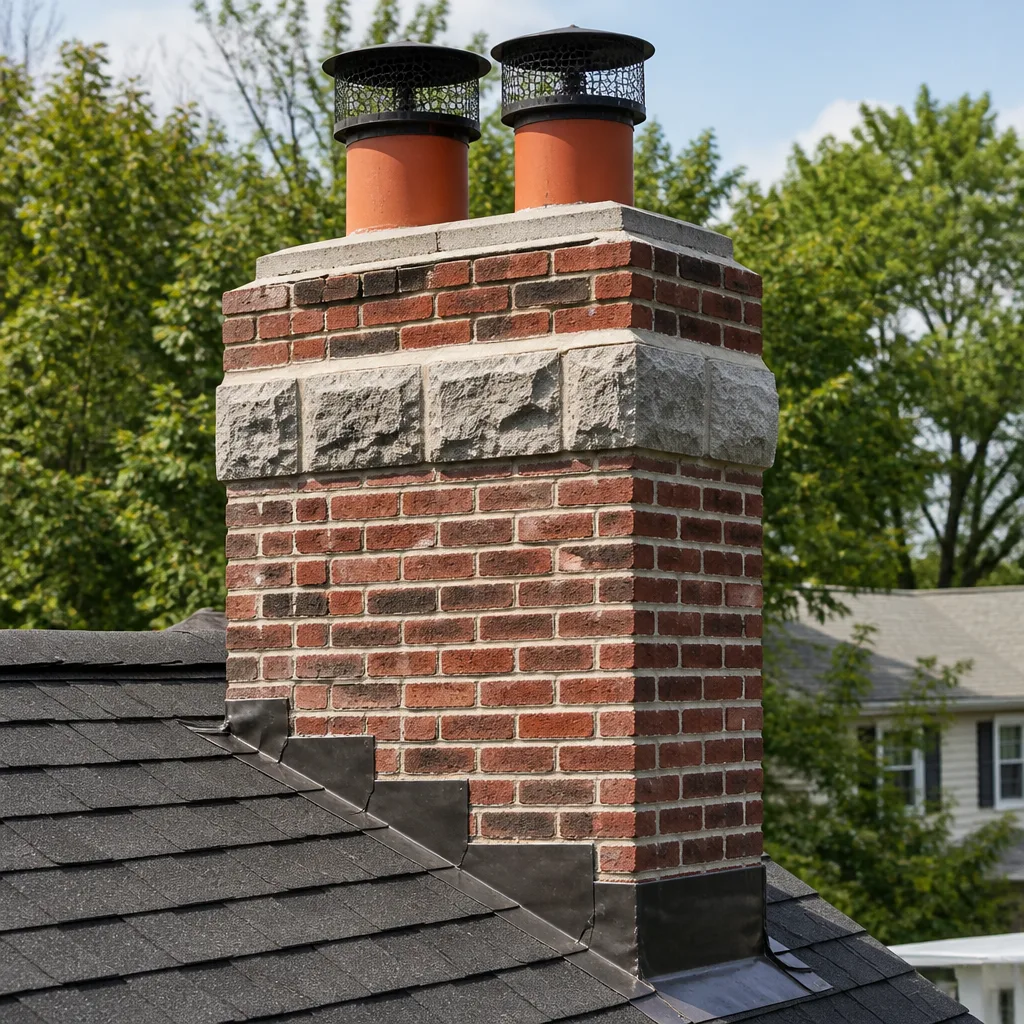 Masonry repair
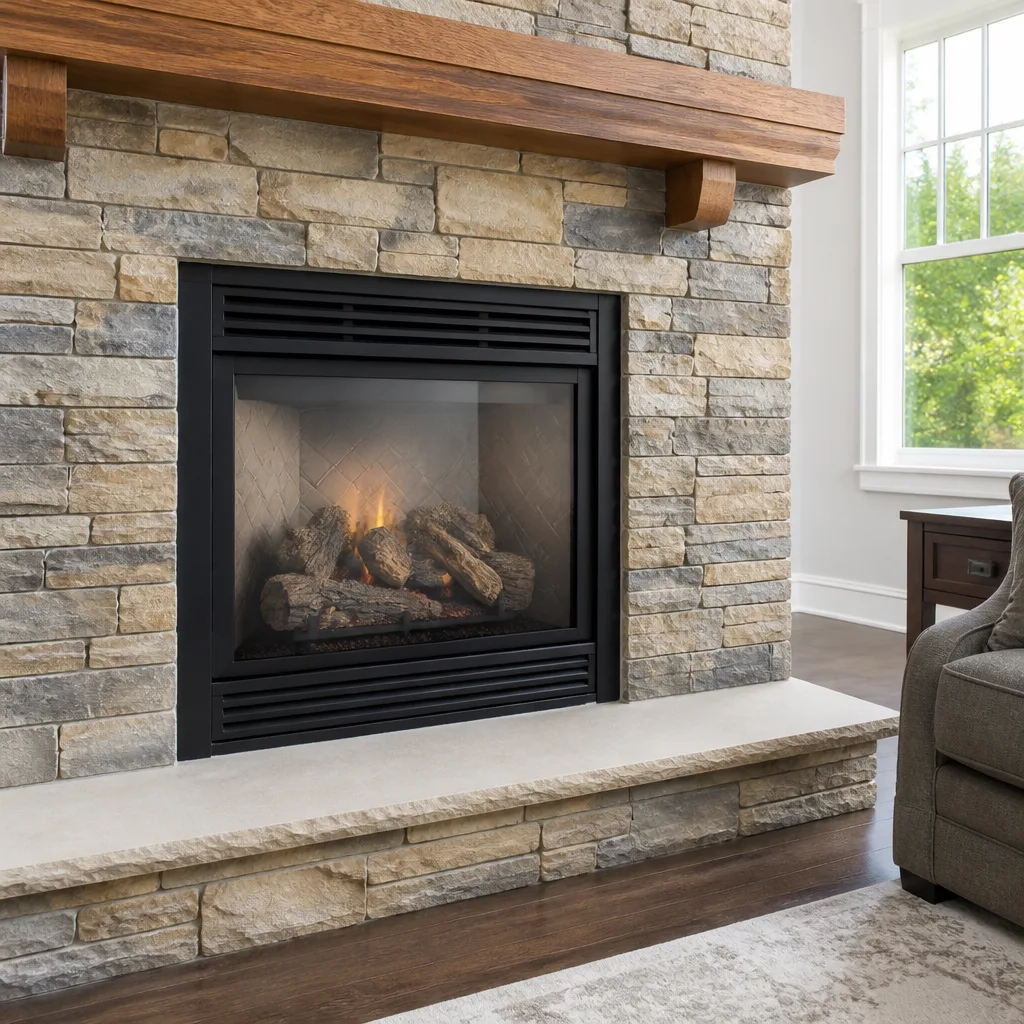 Gas fireplace service
Level 1 sweep and inspection to the NFPA 211 annual standard - flue, crown, cap, and flashing checked and photographed
Chimney sweep logs do not sweep chimneys. They loosen some creosote - which then falls where a brush and vacuum still have to collect it.
Chimney Cleaning Permits, Codes & Inspections in Kent, WA: What You Need to Know
Most homeowners assume a chimney project is like a furnace tune-up: a technician comes, does the work, and nothing needs to be filed with the city. That’s half right. The routine cleaning itself is almost always permit-free. But install a new liner or rebuild a firebox without a permit in Kent, and you’ve created a paper trail problem that can follow the house all the way to closing. Firebox rebuilding and liner replacement are structural work under the code, and unpermitted structural work can give an insurer grounds to dispute a fire claim. This guide walks through exactly what triggers a permit, what Washington’s residential code requires, what an inspector looks at, and how to keep your chimney records clean from sweep to sale.
Quick Answer
In Kent, routine chimney sweeping and Level 1 visual inspections do not require a City of Kent or King County permit. Liner installation, firebox rebuilding, major masonry repair, and chimney structure changes generally do, and that work must comply with Washington State’s residential code (WAC 51-51) plus the IRC chimney provisions Kent has adopted. Ask the city’s building department before any repair beyond cleaning, and keep the inspection paperwork.
Styles & brands we work with
- Sweep & inspection
- Caps & crowns
- Flue relining
- Masonry repair
- Gas fireplace service
Table of Contents
- Where the Permit Line Falls in Kent
- How WAC 51-51 Applies to Chimney Systems
- NFPA 211 vs. Local Amendments: What Gets Added
- How to Request an Inspection in Kent
- What the Inspector Is Actually Looking At
- Real Scenarios Where Skipping a Permit Hurt
- Kent’s Climate and Why Chimney Codes Matter Here
- Keeping Records That Survive a Resale
Where the Permit Line Falls in Kent
The easiest way to think about permit requirements in Kent is to separate maintenance from alteration. Maintenance keeps the system as it was. Alteration changes it, and alteration is what the city wants to review. Most of what a homeowner books a chimney company for is maintenance, which is why the confusion is so common.
Work that typically does not require a permit in Kent:
- Routine chimney sweeping and creosote removal
- Level 1 visual inspection (readily accessible portions)
- Level 2 camera inspection of the flue
- Replacing a chimney cap or a damaged spark arrestor screen
- Minor crown patching where the profile and height stay the same
Work that generally does require a permit, or at minimum a call to the city before starting:
- Installing, replacing, or relining a flue (including a flexible stainless liner)
- Rebuilding a firebox or firebox floor
- Reconstructing a chimney chase, crown, or structural masonry above the roofline
- Converting a wood-burning fireplace to gas or adding an appliance to an existing flue
- Changing a chimney’s height, location, or termination point
The tricky middle ground is liner repair. A resurfacing system like HeatShield restores the flue interior without removing the existing liner. Whether that requires a permit depends on how Kent’s building department classifies the scope on the day you call, so the honest answer is: ask, in writing, before the work starts. We’d rather you call the city twice than find an open permit at closing.
How WAC 51-51 Applies to Chimney Systems
Washington’s residential code, WAC 51-51, adopts the International Residential Code with state-specific amendments. The chimney provisions carried in that code are what make a repair compliant or not, and they cover more than most homeowners expect. It isn’t just “is the liner installed.”
When we look at a chimney that will need a code-compliant repair, these are the general themes the code addresses:
- Clearances. A chimney must hold the required distance from combustibles. On an older Kent house, that clearance may have been reduced by a renovation decades ago – a wood-panel wall added too close, or a roof framing change that pushed a rafter near the chase. A new lining job doesn’t fix a clearance problem. It has to be corrected on its own.
- Termination and height. The chimney has to terminate the required height above the roof line and nearby roof surfaces so it drafts correctly and vents away from windows and air intakes. Shortening or relocating a chimney to improve the look of a roof is a permit-level change, not cosmetic.
- Lining. A listed appliance needs a listed liner sized to it. A clay flue that has cracked needs a relining or resurfacing solution – a flexible stainless system such as DuraFlex, or a resurfacing approach like HeatShield – not a patch of mortar smeared over the crack from the top.
- Access for cleaning. The code expects a chimney to be cleanable. A fireplace with no cleanout, or one sealed off during a remodel, is a system you may have to make accessible, and that’s frequently a repair permit as well.
What a compliant repair looks like in practice is unglamorous: a properly sized, listed liner, correct clearances maintained, a cap sealed and screened in place, a crown that sheds water, and documentation that shows the work was done to the adopted code. That documentation is the part homeowners skip, and it’s the part that matters at resale.
NFPA 211 vs. Local Amendments: What Gets Added
NFPA 211 is the national standard for chimneys, fireplaces, vents, and solid fuel appliances. It’s the industry’s reference point for how a chimney should be built, inspected, and maintained. But NFPA 211 is a standard, not a law until a jurisdiction adopts it. Washington’s residential code incorporates chimney requirements through the IRC and WAC amendments; NFPA 211 provides the technical depth behind many of those provisions, particularly the inspection levels.
The distinctions worth knowing:
- NFPA 211 defines the three inspection levels. A Level 1 is a visual check of accessible portions during a routine sweep. A Level 2 is a more comprehensive check, including a camera scan of the flue interior, and is the level recommended when a property changes hands, after a chimney fire, or after any event that may have damaged the flue. A Level 3 is investigative access – opening walls or removing parts of the chimney to see what’s hidden.
- The IRC sets the construction rules. Clearances, lining materials, wall thicknesses, termination heights – those live in the IRC and in WAC 51-51. Kent has adopted and amended this framework locally, which is why we always say “call the city” rather than “the code allows.”
- Local amendments add local reality. Amendments can tighten or clarify what a contractor can and can’t do without review. Some address seismic bracing for masonry chimneys, which matters in Western Washington. Some address how much of a chimney can be rebuilt. The current amendment language at any given time is the city’s to state, not ours.
The practical takeaway: NFPA 211 tells you the standard of care. WAC 51-51 and the City of Kent tell you what’s required and enforceable. A good repair satisfies the standard and gets signed off under the local code. We keep both frames in mind, and we reference the brands we stock and apply – HeatShield for flue resurfacing, DuraFlex for full relining, and Olympia Chimney and Famco for related components – because those products are listed for the repairs the code describes.
How to Request an Inspection in Kent
When a permit is required for chimney work, the process starts with the City of Kent’s building department, not with a contractor in a truck. The contractor handles most of the steps, but the homeowner should know what’s happening, because the permit is tied to the address and stays on the record. Here’s how a permit-related chimney job typically runs:
- Start with an in-home assessment. Any competent repair begins with an honest look at the full system. A sweeping company that cleans and leaves can’t give you this. Our technicians have up to 9 years of experience and lead with inspection first – a camera inspection and photo report so you can see exactly what we see, including the parts of the flue no one else has shown you.
- Get the scope in writing. The proposed work has to be specific enough to put on a permit application: relining the flue to a listed liner, rebuilding the firebox, replacing the crown, correcting clearances. “Fix chimney” won’t come back approved.
- Pull the permit through the city. The licensed contractor handling the job is normally the applicant. The permit is issued for the address, and it stays tied to that address in the city’s records.
- Do the work to the adopted code. This is the part the inspector sees. Materials have to be listed for the application – a resin-based resurfacing system has to be applied within the manufacturer’s specification, a stainless liner has to be sized and insulated correctly.
- Request the inspection. Depending on the scope, the inspector may want to see the flue before the liner goes in, or after installation but before the cap is set. The contractor coordinates that step.
- Keep the sign-off. The inspection card and final approval go in the house file. Every point below about resale and insurance depends on this document existing.
If any part of that sequence is missing – no scope, no permit, no sign-off – you have an open question about the chimney that a buyer’s inspector will find.
What the Inspector Is Actually Looking At
Homeowners often expect a chimney-related permit inspection to be about the finished look of the fireplace. It isn’t. The inspector is evaluating the system the code governs, and the checklist is fairly predictable once you know the categories.
Expect scrutiny on:
- Clearances to combustible material. The inspector will look at the chase, the framing around the chimney at the roofline, and the wall finishes near the firebox. This is where older homes fail most often. A renovation can close a gap that was fine when the chimney was built.
- The flue lining. Is there a continuous, listed liner, sized correctly for the appliance, with no gaps or terminations that dump into an unlined clay flue? A camera scan may be requested.
- Termination height and location. The top of the chimney has to meet the code dimensions relative to the roof.
- The crown and cap. The crown should shed water away from the flue. A properly installed cap with a screen protects the flue from rain, birds, and debris. Water is the leading cause of long-term chimney damage, and the cap and crown are the two components that address it – which is why we consider them part of the system, not an upsell.
- Firebox and hearth requirements. Hearth extension, firebox lining condition, and the damper all come into play if the firebox is part of the permitted scope.
- The appliance itself. If a new insert or a converted appliance is part of the job, its listing, clearances, and venting spec have to match the installation.
What the inspector is not doing: judging how the chimney looks, offering a second opinion on your contractor, or inspecting the parts of the system your contractor already documented. Come prepared with the photo report from the inspection that drove the repair, and the conversation stays short.
Real Scenarios Where Skipping a Permit Hurt
We hear about these patterns from homeowners calling us after the fact, and they fall into recognizable categories. None of them required anyone to be reckless. Each one involved a job that seemed small at the time.
- The reline done without a permit, discovered at resale. A buyer’s inspector finds a stainless liner in the flue that isn’t reflected in the city’s permit records. The buyer’s agent asks for documentation the seller doesn’t have. The closing stalls while the seller tries to prove the work was done correctly, and frequently the resolution is to have it inspected and, in some cases, redone.
- A firebox rebuild with no record, challenged by an insurer. After a chimney-related fire loss, a claims adjuster reviews the property records. If a firebox or flue was altered without a permit, the insurer may argue the work was unpermitted and outside coverage – not because the homeowner did anything intentional, but because the alteration has no paper trail showing it met code. This is the scenario that should get your attention: money isn’t the issue, so much as the fight.
- A clearance problem introduced by a remodel. A kitchen or den renovation moves framing or finishes closer to the chase. The chimney is unchanged, but the clearance is now non-compliant, and a permit for the chimney alteration would have caught it before the wall went up.
- A converted fireplace with the wrong liner. A homeowner converts a wood firebox to gas and keeps the original flue. The appliance needs a listed liner sized to it. Without a permit and an inspection, the mismatch can sit in the chimney until the next sweep or sale.
- A “quick” crown rebuild that changes the height. Shortening or reshaping a crown to improve water runoff can inadvertently change the chimney’s effective terminations. It’s the kind of small alteration that a review would have clarified in minutes.
In every one of these cases, the fix wasn’t complicated. The permit would have been straightforward. The cost of skipping it came later, in a closing or a claim, at the worst possible time.
Kent’s Climate and Why Chimney Codes Matter Here
Kent sits in a wet, mild climate with a long damp season. That combination is hard on masonry and on the components the code cares about. Freeze-thaw cycles in the winter work on any water that gets into the chimney, and the rainy stretch from fall through spring gives that water plenty of time to sit.
What that means for the code conversation:
- The cap and crown are load-bearing for the code. Water intrusion is the leading cause of long-term chimney damage. A missing or broken cap lets rain straight down the flue, and a cracked crown lets it into the masonry. Those are the exact components a proper installation protects, and they’re also what an inspector sees when reviewing a permitted repair.
- Cracked clay flues are common in older Kent housing stock. Houses built decades ago often have the original clay tile flue. A hairline crack isn’t visible from the firebox, but a camera inspection finds it, and a cracked flue is exactly the condition that calls for relining or resurfacing – a permitted, code-level repair.
- Moisture and clearances interact. A chimney that’s taking on water near the roofline can degrade the very framing the code requires you to keep clear. The clearance isn’t a one-time measurement; it’s something that stays correct only if the water stays out.
- Draft changes with the season. Warm damp air and a cold chimney make draft unreliable in the shoulder seasons. A well-built, code-compliant flue drafts better year-round, which is why we don’t treat a lining repair as an aesthetic decision.
We mention these because a permit discussion can sound like paperwork. In Kent, it’s closer to maintenance of the building envelope. The chimney is one of the few exterior penetrations that can send water, smoke, and carbon monoxide into the house, and the code exists to keep those three separated.
Keeping Records That Survive a Resale
The single best habit we can recommend isn’t about the code at all. It’s about the file folder. Every homeowner who has ever been asked by a buyer’s agent for chimney documentation wishes they’d kept it.
Keep these documents together:
- The sweep and inspection report from every service visit, including the photo report from the camera inspection. Dated, with the technician’s notes.
- Any permit application and final inspection sign-off for repair work. This is the document that answers the resale question without debate.
- The product documentation for materials installed – the liner listing, the resurfacing system specification, the cap and crown installation details. A HeatShield application or a DuraFlex liner installation has a manufacturer’s specification, and the paperwork proves the work followed it.
- The written estimate that set the scope. It’s the paper trail connecting the diagnosis to the repair.
A chimney sweep alone won’t generate this folder, and a repair without a permit won’t complete it. This is why we handle the full chimney system in one place – sweeping, inspection, lining, firebox repair, crown and cap – and why we’re clear about which repairs may need to go through the city. When the file is complete, a resale inspection becomes a checklist, not a negotiation.
Common Mistakes to Avoid
- Assuming the sweep is the whole job. A clean flue doesn’t fix a cracked crown or a clearance problem. The sweep removes creosote; the inspection tells you what the code requires.
- Treating “we pulled a permit” as proof the work was good. The permit and the inspection sign-off are two separate documents. Confirm both exist and both are tied to the address.
- Relining or rebuilding without asking the city first. A short call to the City of Kent building department clarifies the scope. Doing the work first and asking afterward is the scenario that costs money.
- Skipping the camera inspection on an older Kent house. A hairline crack in the clay flue is invisible from the firebox. If you don’t have a photo report, you don’t know the condition of the lining.
- Accepting a verbal “it meets code.” The code language that governs the repair – WAC 51-51 and the amendments Kent has adopted – is checkable. Ask for the listing on the material and the sign-off on the work.
- Letting a renovation close off a clearance. If an interior project is going near the chimney, measure the clearance before the wall goes up, not after.
- Not keeping the paperwork. The report, the permit, the sign-off, and the product spec together are what a buyer’s inspector and an insurer expect to see. A file on the phone is a start; a paper copy for the closing file is better.
See the difference
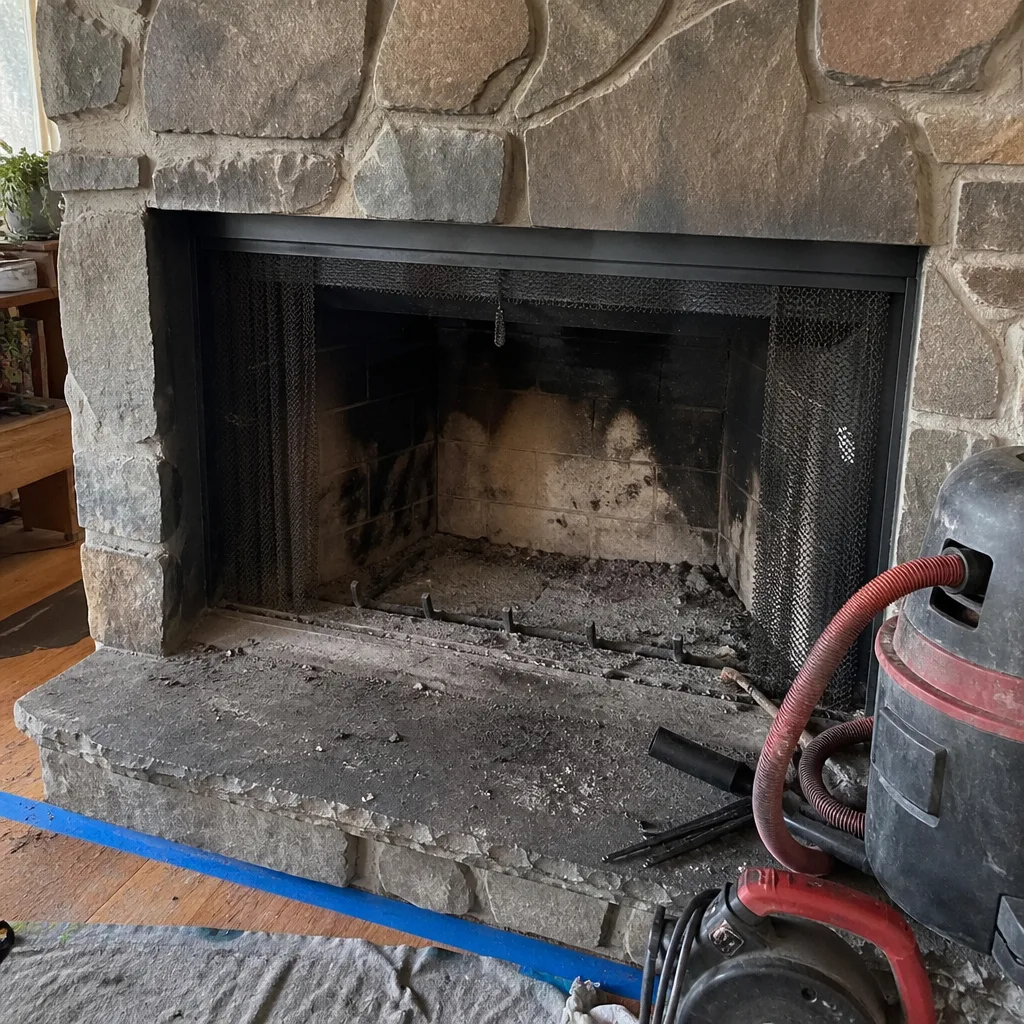 Before
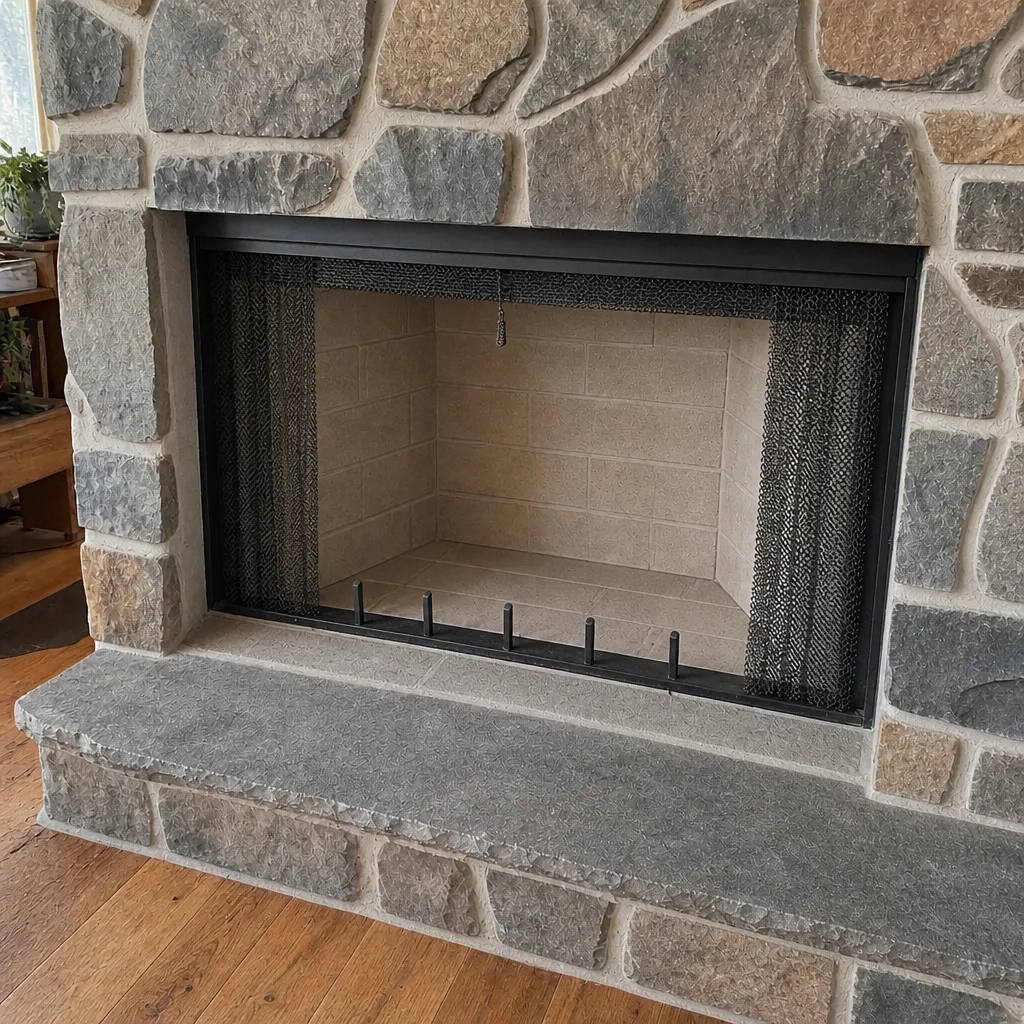 After
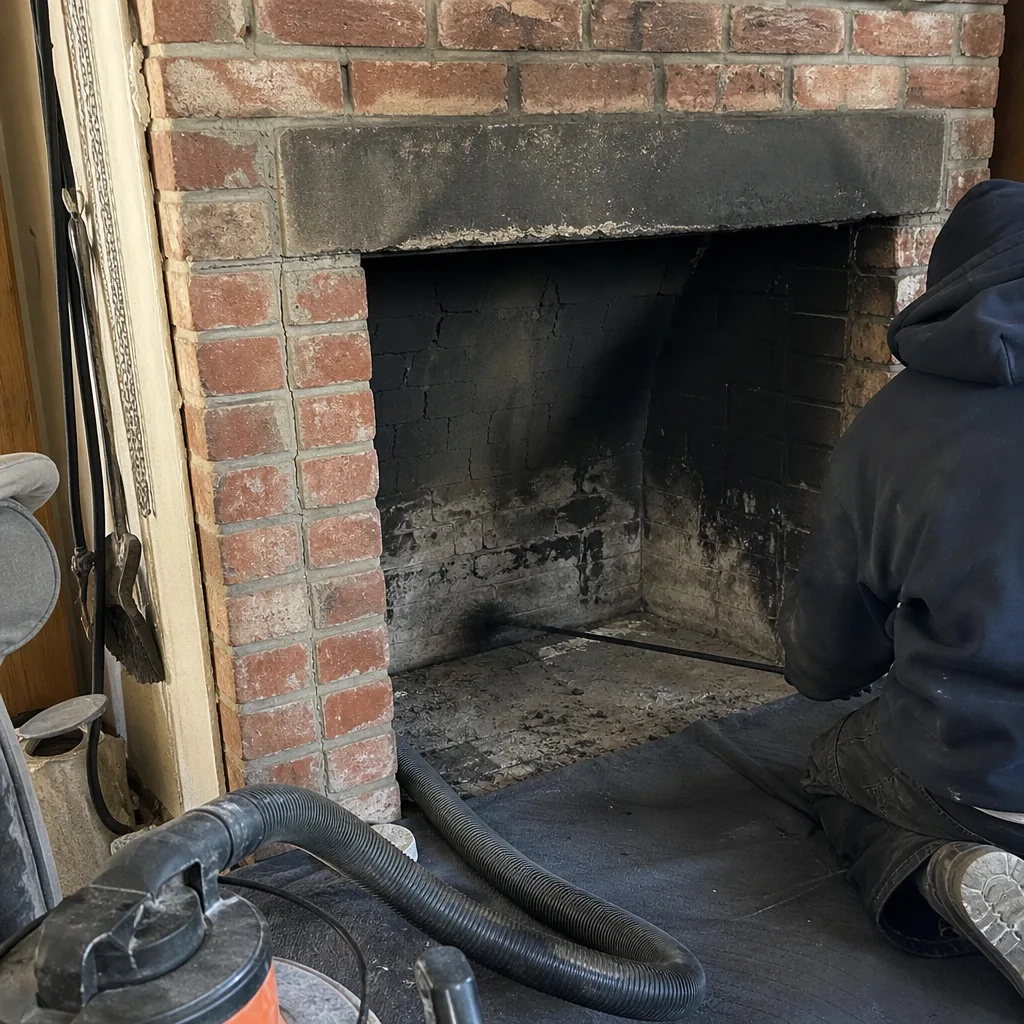 Before
 After
 Before
 After
When to Call a Professional
Some jobs are genuinely for a professional because of the danger, not the difficulty. Anything that involves relining a flue, rebuilding a firebox, or altering a chimney structure is high-stakes work on a component that routes smoke and carbon monoxide out of your home. If you’re considering a repair of that scope, or your inspection report calls out a cracked flue, a compromised crown, or a clearance concern, get a licensed professional involved before any permit is pulled. A chimney has high-tension components in the form of flue liners, dampers, and appliance connections, and the wrong work can void a listing. Kent Chimney Sweep Pros offers free estimates in Kent. Call (877) 699-0126. Our technicians have up to 9 years of experience, and every job starts with an inspection first and a photo report you can see for yourself. The written estimate sets the final price.
Frequently Asked Questions
No. Routine chimney sweeping and Level 1 visual inspections do not require a City of Kent or King County permit. If the sweep turns up a repair – a cracked flue, a damaged crown, a clearance problem – that repair may need a permit, so ask the building department before the repair is scheduled. Call (877) 699-0126 for a free inspection estimate.
Generally, yes. Liner installation and full relining are alterations to the chimney system, not maintenance, so the City of Kent building department typically requires a permit and an inspection sign-off for the work. The scope has to be specific on the application, and the liner has to be listed for the appliance. Call (877) 699-0126 to start with a camera inspection that tells you whether relining is even the right conversation.
NFPA 211 is the national standard for chimney and venting systems and defines the three inspection levels. Washington’s residential code, WAC 51-51, adopts the IRC with state amendments and is what gets enforced at the city level. A repair should satisfy both the standard and the adopted code. Call (877) 699-0126 and we’ll walk through what your chimney needs.
Sweeping, visual inspections, camera inspections, and cap replacement are typically exempt. Crown patching is often exempt where the profile and height don’t change, but a full crown rebuild or any change to the chimney’s structure or height generally is not. Because the line cases depend on the scope, confirm with the City of Kent building department. Call (877) 699-0126 and we’ll put the scope in writing so the city can review it.
It can. After a fire loss, an insurer reviews the property’s records, and an unpermitted alteration to a firebox or flue can become a coverage dispute even if the work was done in good faith. The permit and final inspection sign-off are what show the alteration met code. Call (877) 699-0126 to have the current condition documented with a photo report.
A Level 2 inspection is recommended when a property changes hands, after a chimney fire, after any event that may have damaged the flue, or when you’re considering a repair that alters the system. It includes a camera scan of the flue interior, which is how a hairline crack in the clay lining gets found. Call (877) 699-0126 for a free estimate on a camera inspection and photo report.
The Bottom Line
The permit question in Kent comes down to one distinction: maintenance versus alteration. Sweeping, inspections, and cap replacement are maintenance and don’t require a permit. Lining, firebox rebuilding, structural masonry, and any change to a chimney’s height or termination are alterations under WAC 51-51 and generally do – and NFPA 211 defines the level of inspection that should come before the repair. The paper trail matters as much as the work. A photo report, a written scope, a permit, and a final sign-off are what protect you at resale and during an insurance claim. Skipping that file is the mistake we see most. If you want the full system inspected by one company that handles the sweep and the repair, Kent Chimney Sweep Pros is the call.
We handle the full chimney system – a chimney sweep, chimney repair, fireplace repair, and cap and crown installation – with professional-grade materials including HeatShield, DuraFlex, Olympia Chimney, and Famco. One call, complete care, and a clear answer on what may need a permit. Call (877) 699-0126 for a free estimate. We answer 24/7, with fast dispatch from 7am to 7pm, Sunday through Friday.
Written by the team at Kent Chimney Sweep Pros.