
Last updated November 25, 2026
 Sweep & inspection
 Caps & crowns
 Flue relining
 Masonry repair
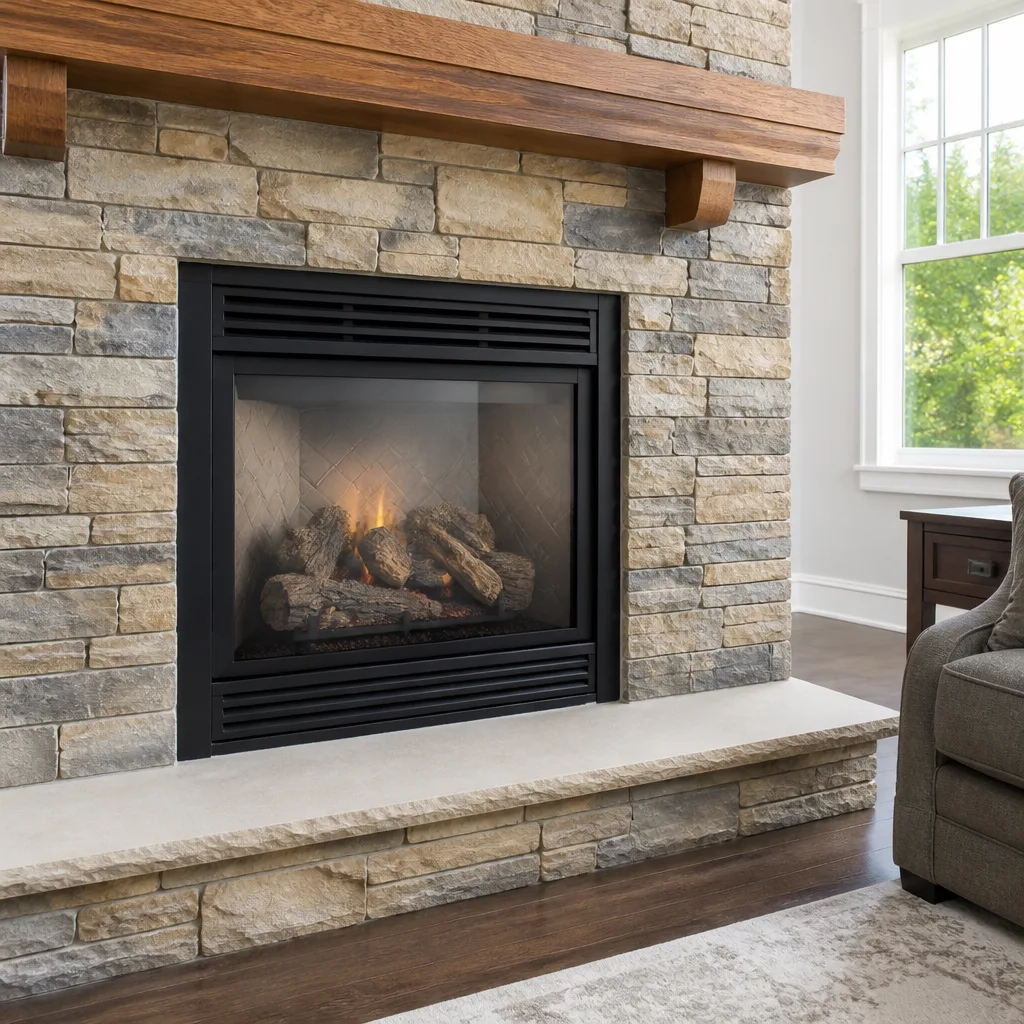 Gas fireplace service
Level 1 sweep and inspection to the NFPA 211 annual standard - flue, crown, cap, and flashing checked and photographed
Chimney sweep logs do not sweep chimneys. They loosen some creosote - which then falls where a brush and vacuum still have to collect it.
Chimney Sweep Maintenance Checklist for Kent Homeowners
The month most Kent chimneys suffer the most damage isn’t December. It’s March. By then the flue has spent an entire wet winter absorbing moisture, and the freeze-thaw cycles that hit Kent in late winter work that water into masonry, mortar joints and liner seams. Most maintenance checklists you’ll find online are written for cold-climate, high-use chimneys in places where the fire burns every night and the air is dry. That’s not Kent. Here you’re dealing with mild temperatures and persistent rain, which changes what “maintenance” actually means. This guide walks through a full year of chimney care built around Kent’s climate, what you can safely check from the ground, what needs a trained sweep, and how to document all of it for resale and insurance. Our technicians have up to 9 years of experience working on exactly this kind of chimney system.
Quick Answer
A chimney maintenance checklist for Kent homes should run on a wet-climate schedule, not a cold-climate one: schedule an annual professional sweep and inspection before the burning season starts, check the cap, crown and flashing from the ground every few months, keep the firebox dry and clear year-round, and log every service visit so you have documentation for insurance and resale. Kent’s rainy, mild winters mean water intrusion does more long-term damage than heavy fire use, so moisture control deserves as much attention as creosote. Call (877) 699-0126 for a free estimate from Kent Chimney Sweep Pros.
Styles & brands we work with
- Sweep & inspection
- Caps & crowns
- Flue relining
- Masonry repair
- Gas fireplace service
Table of Contents
- Why Kent Chimneys Need a Different Maintenance Calendar
- Kent Chimney Maintenance: A Month-by-Month Calendar
- What You Can Check From Ground Level (No Roof Access)
- Maintenance That Protects Your Liner Warranty
- What You Can Do vs. What Needs a Licensed Sweep
- How to Log Maintenance History for Resale and Insurance
- What a Professional Inspection Actually Covers
- Water, Crowns and Caps: The Damage That Happens Between Fires
Why Kent Chimneys Need a Different Maintenance Calendar
Kent sits in a climate that’s easy on fireplaces and hard on chimneys. Winters are mild enough that many homeowners burn less than they would in a colder state, but the rain doesn’t stop. That combination means the chimney spends far more hours wet and cold than hot and dry. Water enters through the cap, the crown, cracked mortar and failed flashing, then sits in the masonry. When temperatures dip near freezing overnight and rise again the next day, that trapped water expands and contracts and slowly opens up the joints it’s sitting in.
This is the single biggest difference between a Kent chimney checklist and a generic one. Most published checklists focus almost entirely on creosote buildup from heavy burning. Creosote matters here too, and a wood-burning fireplace still needs an annual sweep. But in Kent, the maintenance items that protect the chimney’s structure are the ones most homeowners skip, and they’re the ones that decide whether the chimney lasts another twenty years or starts needing chimney repair.
Kent’s housing stock adds another wrinkle. Many homes in neighborhoods like East Hill, Kent Valley and Panther Lake were built in eras when chimney construction and flashing detailing varied widely. An older masonry chimney near the valley floor sees more persistent damp than one up on the hill, and a mid-century home may have a crown that was never built to shed water the way modern practice expects. A maintenance routine that ignores these realities will miss the exact failure points that matter.
There’s a practical upshot: the amount of creosote in your flue is only one question. The state of the cap, crown, flashing and liner is every bit as important, and those are the parts water attacks while the fireplace sits cold. Full chimney system care means treating all of it as one piece of equipment.
Kent Chimney Maintenance: A Month-by-Month Calendar
Here’s a maintenance calendar built for Kent’s wet, mild year rather than a deep-freeze winter. It assumes a wood-burning fireplace, but most of it applies to gas fireplaces too, minus the creosote concerns.
- Late August or early September: Book your annual professional sweep and inspection before the burning season. This is the most important entry on the list. Getting the chimney checked before you light the first fire means any water damage from the previous winter gets caught before it’s compounded by a season of use.
- September: Do a full ground-level visual inspection once the sweep has been through. Confirm the cap is intact, the crown isn’t cracked and the flashing still sits tight against the roof.
- October through February (burning season): Keep the firebox clean of ash and debris, keep the damper operating smoothly, and watch for smoke rolling back into the room, which can signal a partial blockage or a damper that’s not opening fully.
- March: This is the month to inspect for freeze-thaw damage. Look from the ground for new cracks in the masonry, spalling brick faces or mortar that’s begun to crumble. Report anything you find to a sweep.
- April: After the burning season ends, get any recommended repairs done. Dryer spring weather is the right time for crown and cap work, so repairs can cure before the next wet season.
- May through July: This is your catching-up window for liner resurfacing, cap replacement and flashing repair. These aren’t urgent in July, but they matter by October, and getting them done in the dry months means the materials have the best chance to hold.
- Year-round: Keep water out of the firebox. If you ever see moisture or staining inside, treat it as a signal to call for inspection.
Notice that the heaviest maintenance advice lands in spring and summer, not winter. That’s the opposite of what a cold-climate checklist tells you, and it’s the right sequence for Kent.
What You Can Check From Ground Level (No Roof Access)
You can catch most serious chimney problems without ever climbing onto the roof. That’s worth knowing, because roof access is the reason most homeowners skip maintenance entirely. These visual checks take ten minutes with a pair of binoculars and a walk around the house.
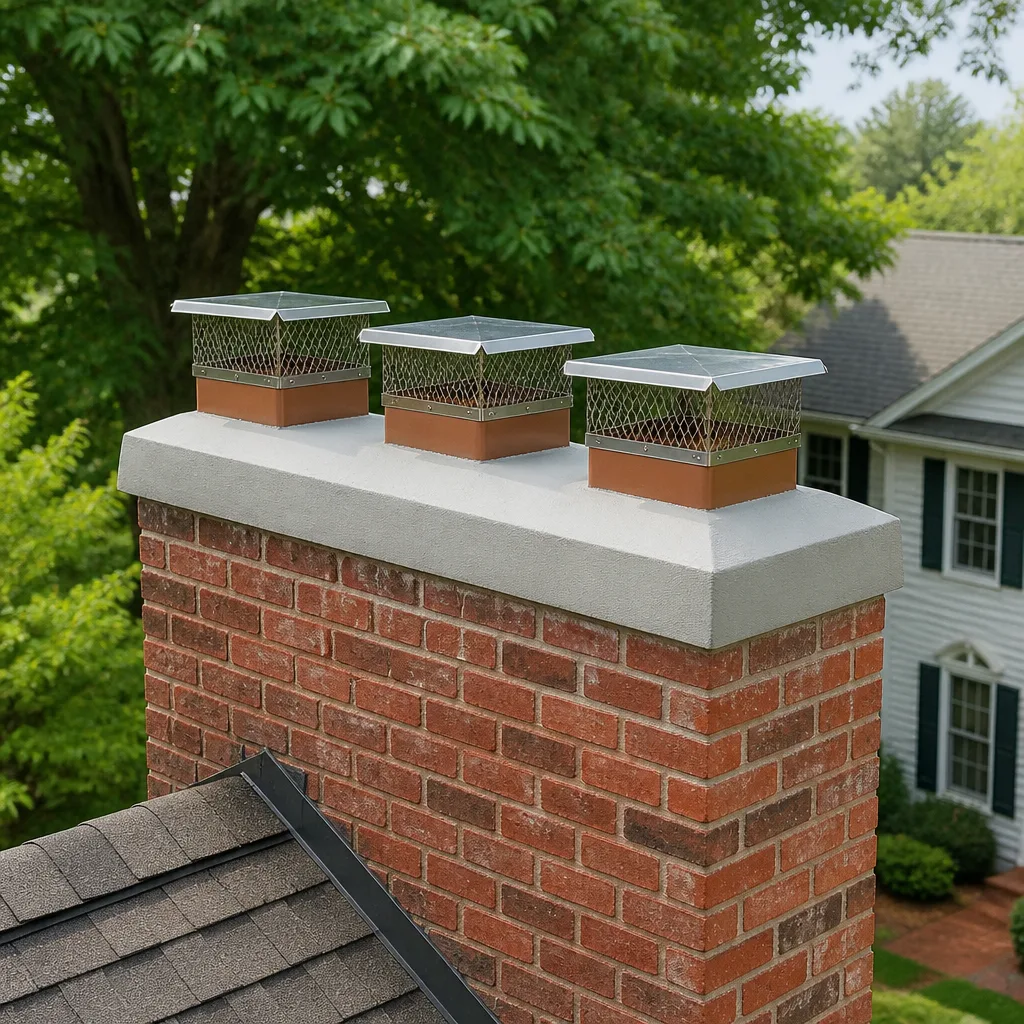
- The chimney cap: Look for a missing, rusted-through or tilted cap. A cap that’s failed lets rain and animals straight into the flue, and it’s one of the most common causes of water damage we see.
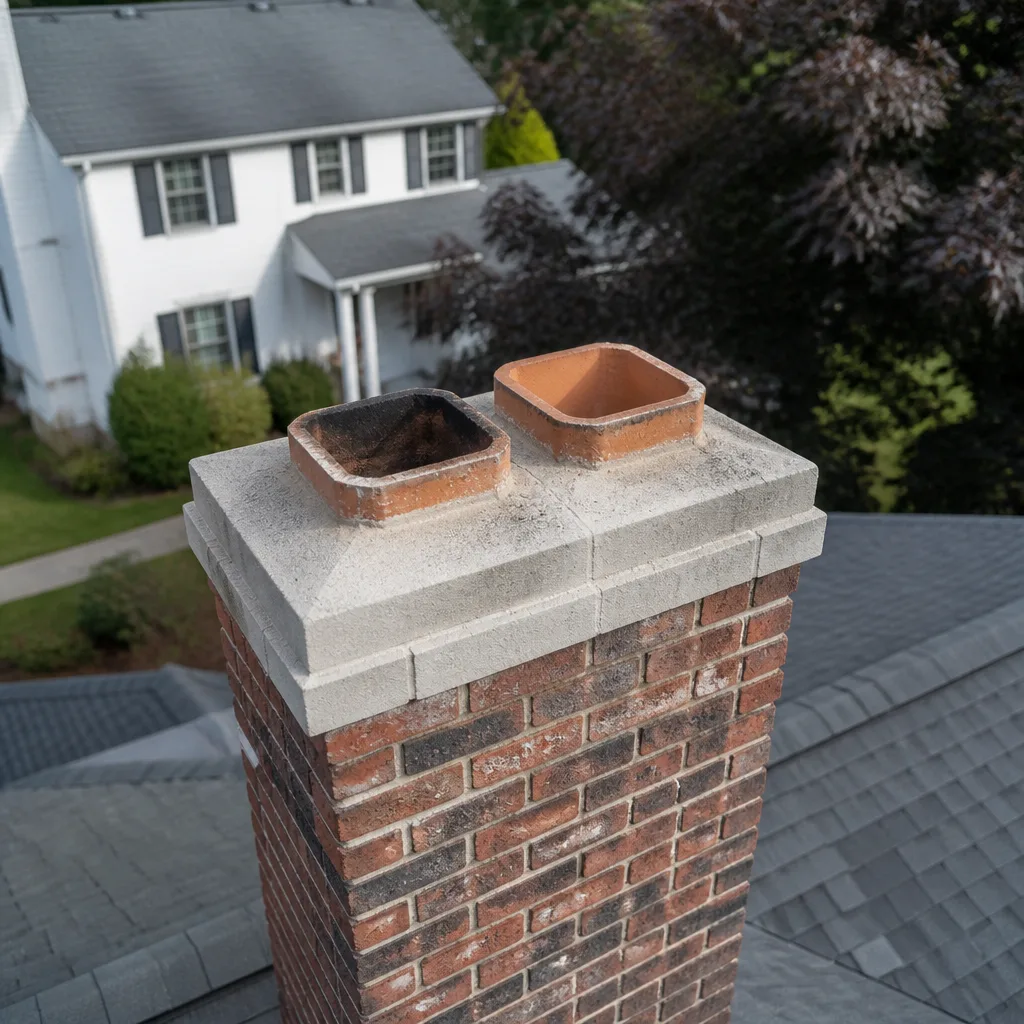
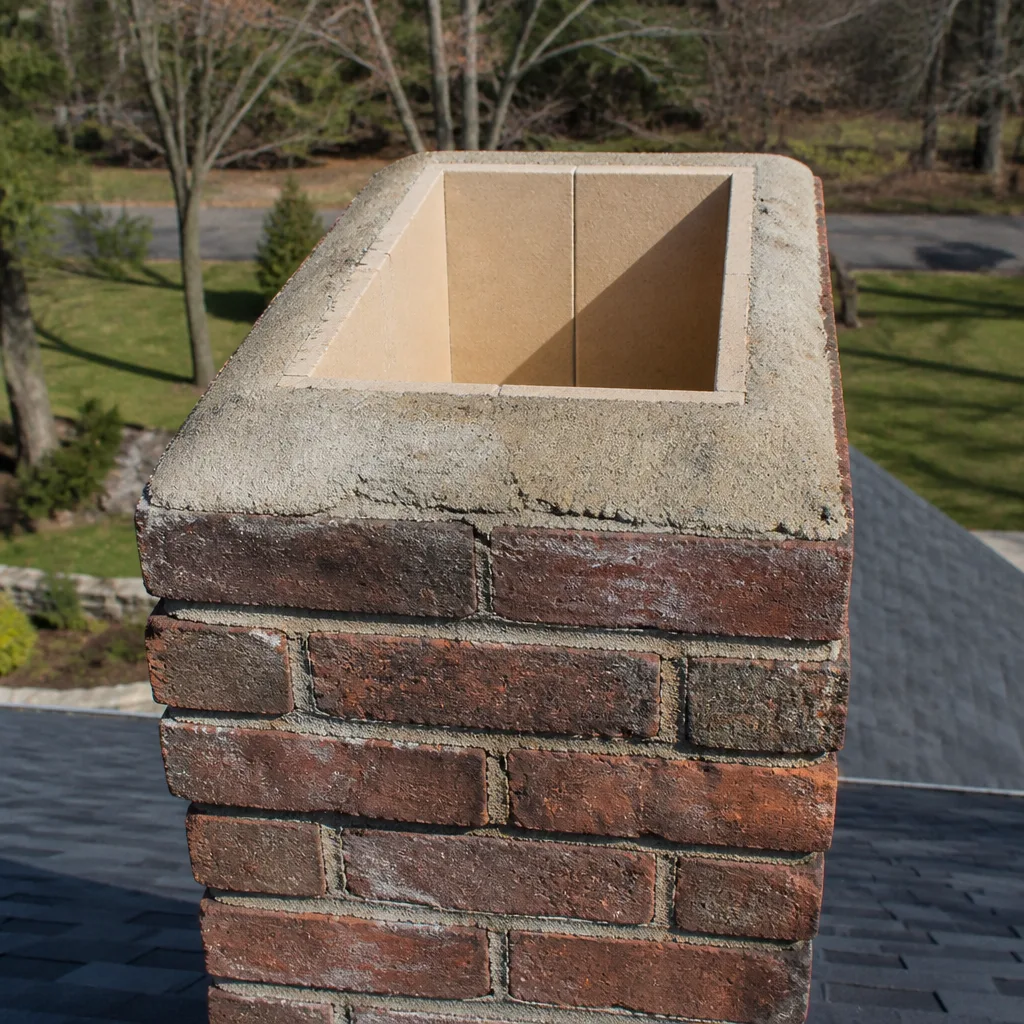
- The crown: This is the sloped concrete or masonry top of the chimney. Look for visible cracks, a crown that’s pulling away from the flue, or crumbling edges. A cracked crown is a direct path for water.
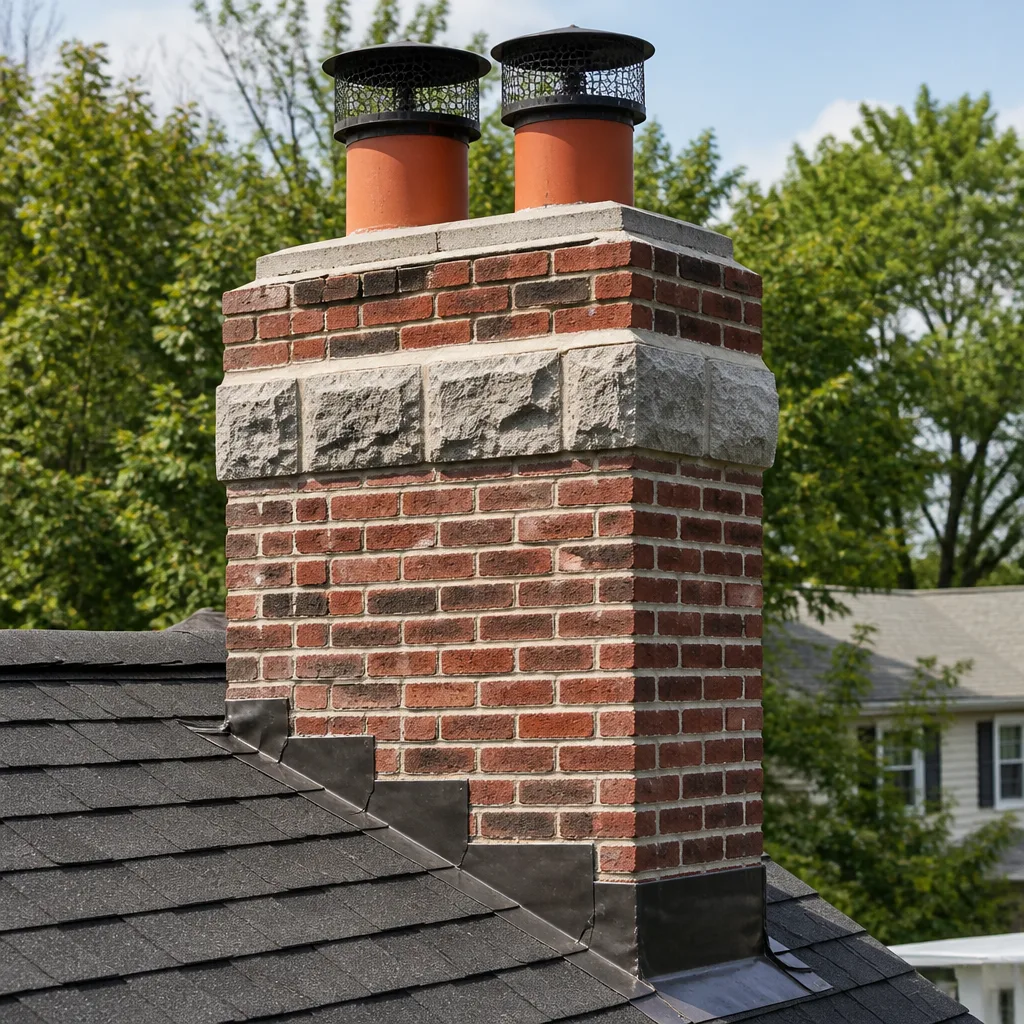
- Flashing: This is the metal where the chimney meets the roof. Check for lifted edges, missing sections or visible gaps. Water that gets under the flashing can soak the roof deck and the chimney both.
- Brick and mortar: Scan the sides for white powdery staining, spalling brick faces (where the front of a brick has flaked off), or mortar joints that have recessed. All three point to water exposure.
- Chimney lean: Stand back and look straight up the chimney line. A noticeable lean can indicate a structural problem and warrants a professional look.
- Interior signs: Inside the house, check the ceiling and walls near the chimney for water stains, and check the firebox for dampness or rust. Those are often the first hints of a leak that started at the crown.
If you spot something, don’t put off the call. A cracked crown caught this month is usually a manageable fix. Left through another Kent winter, the same crack can let water into the flue and liner, and the repair scope grows.
Maintenance That Protects Your Liner Warranty
A chimney liner is a long-term investment, and most liner warranties have maintenance conditions attached to them. Manufacturers expect the liner to be swept and inspected on a regular schedule, and they expect the homeowner to be able to show it was done. If a liner fails and there’s no service record, the warranty claim gets much harder to make.
The maintenance items that protect a liner warranty in practice break down like this:
- Annual sweeping: Most liner warranties assume the flue is cleaned on a yearly basis. Skipping a year doesn’t automatically void a warranty, but repeated skips and no documentation can. Keep every sweep record.
- Annual inspection with a written report: A physical inspection confirms the liner is intact and properly seated. Get the report in writing; a verbal “looks fine” doesn’t help a warranty claim.
- Prompt attention to moisture: If the liner is wet, damaged or compromised and nothing is done, that becomes a maintenance failure. Water intrusion that isn’t addressed weakens the case that the liner was properly maintained.
- Documented repairs: If the liner is resurfaced using a specialist system like HeatShield, or relined with a flexible liner system such as DuraFlex, keep the paperwork. That record is part of the chimney’s maintenance history.
- Cap and crown upkeep: A failed cap that lets water into a liner is exactly the kind of preventable water damage a manufacturer may point to. Keeping the cap and crown sound is part of protecting the liner.
The practical rule is simple: if a warranty dispute ever comes up, the homeowner who has a folder of dated sweep and inspection reports has far less to prove. The one who can’t document anything has far more. If you’re unsure whether your liner has a documented service history, an inspection will tell you where you stand.
What You Can Do vs. What Needs a Licensed Sweep
Some chimney maintenance is safe and sensible for a homeowner. Some of it genuinely isn’t. Knowing the line keeps you out of real risk. Here’s how we split it.
Homeowner-serviceable tasks:
- Clearing ash and debris from the firebox once the fire is fully out and cold.
- Lubricating the damper with a suitable lubricant so it operates smoothly, if the damper is accessible and the work doesn’t require reaching up into the flue.
- Doing the ground-level visual checks described above.
- Keeping the area around the hearth clear and checking the cap and crown from outside.
- Watching for interior water stains and dampness in the firebox.
Tasks that need a licensed, trained chimney professional:
- Any sweeping of the flue itself, which requires proper brushes, rods and access from the top or bottom, plus the know-how to avoid damaging the liner.
- Any inspection of the interior of the flue and liner.
- Crown repair or replacement and cap installation.
- Flashing repair and any work on the roof structure around the chimney.
- Liner resurfacing with a system like HeatShield, or relining with a flexible liner system such as DuraFlex.
- Any structural repair to the masonry.
The reason to be firm about the second list isn’t gatekeeping. Flues are enclosed, often inaccessible spaces, and a damaged liner or an undetected crack can let heat and carbon monoxide into parts of the house where they shouldn’t go. Roof work carries its own hazard. A trained sweep can inspect and clean safely, and in our experience the homeowner who does the safe ten percent and calls for the rest ends up with a chimney that lasts longer than the one who tries to do everything alone.
How to Log Maintenance History for Resale and Insurance
A chimney maintenance log is one of the most overlooked documents in a home’s records, and it pays off twice: when you sell and when you ever need to file an insurance claim. The good news is that a useful log is simple to keep and takes almost no effort once you have a system.
What a genuinely useful log should capture:
- Date of each service. Every sweep, inspection and repair gets a date. A folder of undated receipts is much weaker than a chronological list.
- Who did the work. The company name and contact details, so a future buyer or adjuster can verify the record.
- What was done. Sweep, inspection, crown repair, cap installation, liner resurfacing, flashing repair. Be specific.
- What was found. Any issues the sweep identified, whether they were fixed and whether anything was noted for future attention.
- The written inspection report. File the actual report. A photo record or written findings from the sweep are far more valuable than a receipt alone.
- Materials and products used. If a repair used a specific product, note it. If a liner is resurfaced or relined, the product record belongs in the log.
Keep the log wherever you keep your other home records, whether that’s a paper folder or a shared digital folder. When you sell, a documented chimney maintenance history signals the home was cared for, and it answers the buyer’s inspector’s questions before they become negotiation points. When you file an insurance claim related to the chimney, that same record supports your case that the damage wasn’t the result of neglect. One folder, kept current, does both jobs.
What a Professional Inspection Actually Covers
A chimney inspection isn’t a quick look up the flue. A proper inspection covers the whole chimney system, top to bottom, and tells you what condition it’s in and what, if anything, needs attention. It’s the starting point for everything else in this checklist.
Here’s what you should expect a full inspection to check:
- The flue and liner: Whether the liner is intact, properly sized and free of cracks, gaps or separation, and whether creosote buildup is at a level that needs a sweep.
- The firebox and damper: Condition of the firebox masonry, the damper’s operation and any signs of damage from heat or moisture.
- The crown and cap: Cracks in the crown, the condition of the cap and whether it’s keeping water and animals out.
- Flashing and roof interface: Whether the flashing is watertight and whether there’s any sign of moisture working into the roof or chimney.
- The exterior masonry: Spalling, cracked mortar, staining and anything that suggests water has been getting in.
- The smoke chamber and interior connections: For fireplaces, whether the smoke chamber is smooth and properly shaped and whether any appliances, such as a gas insert, are connected correctly.
At the end, you should get a written report and a clear explanation of what was found: what’s fine, what needs watching and what should be repaired. In our experience, an honest inspection says plainly when something can safely wait. If you’re ever told a big repair is needed without being shown evidence, ask to see it. The photographs and findings should support the recommendation. That’s the standard we hold to, and it’s the one you should expect from any chimney professional.
Water, Crowns and Caps: The Damage That Happens Between Fires
The damage that does the most harm to a Kent chimney happens while no one is burning a fire. Water enters through small, unremarkable openings, and over many wet months it works its way into the masonry and the liner. The two components that most often let it in, and that most deserve attention in this climate, are the cap and the crown.
The cap sits on top of the chimney and keeps rain, birds and debris out of the flue. When it’s rusted, tilted or missing, water goes straight down the liner. The crown is the sloped top surface of the chimney that sheds water away from the flue. When it’s cracked or pulling away, water seeps into the masonry below it. Both are ordinary maintenance items, and both are exactly the kind of work that gets skipped when the checklist only calls for a sweep.
These are the preventive layers most worth prioritizing in Kent:
- Cap installation or replacement to keep water and animals out of the flue.
- Crown repair or replacement so the top of the chimney sheds water the way it’s meant to.
- Flashing repair to close the gap between the chimney and the roof.
- Tuckpointing and masonry repair to replace deteriorated mortar joints before water gets deeper in.
- Liner resurfacing or relining when inspection shows the flue has been compromised, which protects the chimney’s function and helps keep moisture contained.
One of those last items is where product choice matters. For liner repair, our team works with HeatShield, a specialist resurfacing system many sweep-only companies don’t carry or know how to apply. For full relining, we work with flexible liner systems such as DuraFlex, and we source professional-grade components from lines including Olympia Chimney and Famco. The point isn’t to name products for their own sake. It’s that a chimney specialist should be able to diagnose, repair and protect the whole system without handing you off to someone else once the diagnosis is done.
Common Mistakes to Avoid
- Only scheduling a sweep when the fireplace is in use. In Kent, the chimney’s worst season is the wet off-season, so maintenance that only happens during burning misses most of the damage. The year-round calendar in this guide is the fix.
- Ignoring the cap and crown because the fire burns fine. A chimney can draft perfectly while water quietly works into the masonry. The fire burning well doesn’t mean the chimney is sound.
- Believing “annual sweep” means “annual inspection,” or the reverse. They’re related but not the same. The sweep cleans the flue; the inspection assesses the whole system. Both belong in your annual routine.
- Treating a cracked crown as a small cosmetic issue. A crack in the crown is a direct water path into the flue and liner, and it gets worse with every Kent winter. Address it in the dry season, not the wet one.
- Skipping the paperwork. A sweep without a written report, or a repair without a dated record, leaves you with no maintenance history. That hurts you at resale and in an insurance claim.
- Accepting a big repair recommendation without seeing it. If you’re told a liner or a major structural repair is needed, ask to see the photo evidence that supports it. You’re entitled to understand why.
- Letting a liner warranty lapse through undocumented maintenance. Manufacturers expect documented regular service. If you haven’t kept records, you may not be able to prove the liner was maintained when a warranty question comes up.
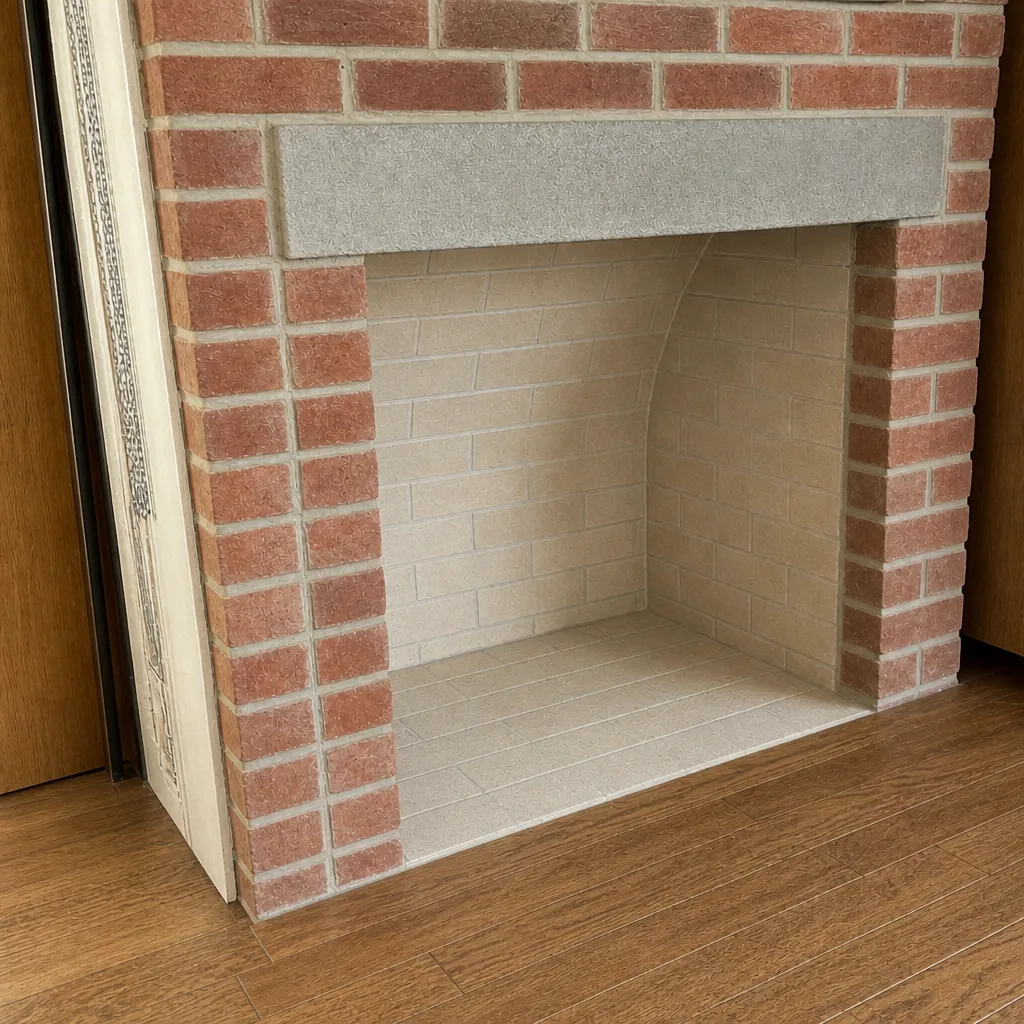
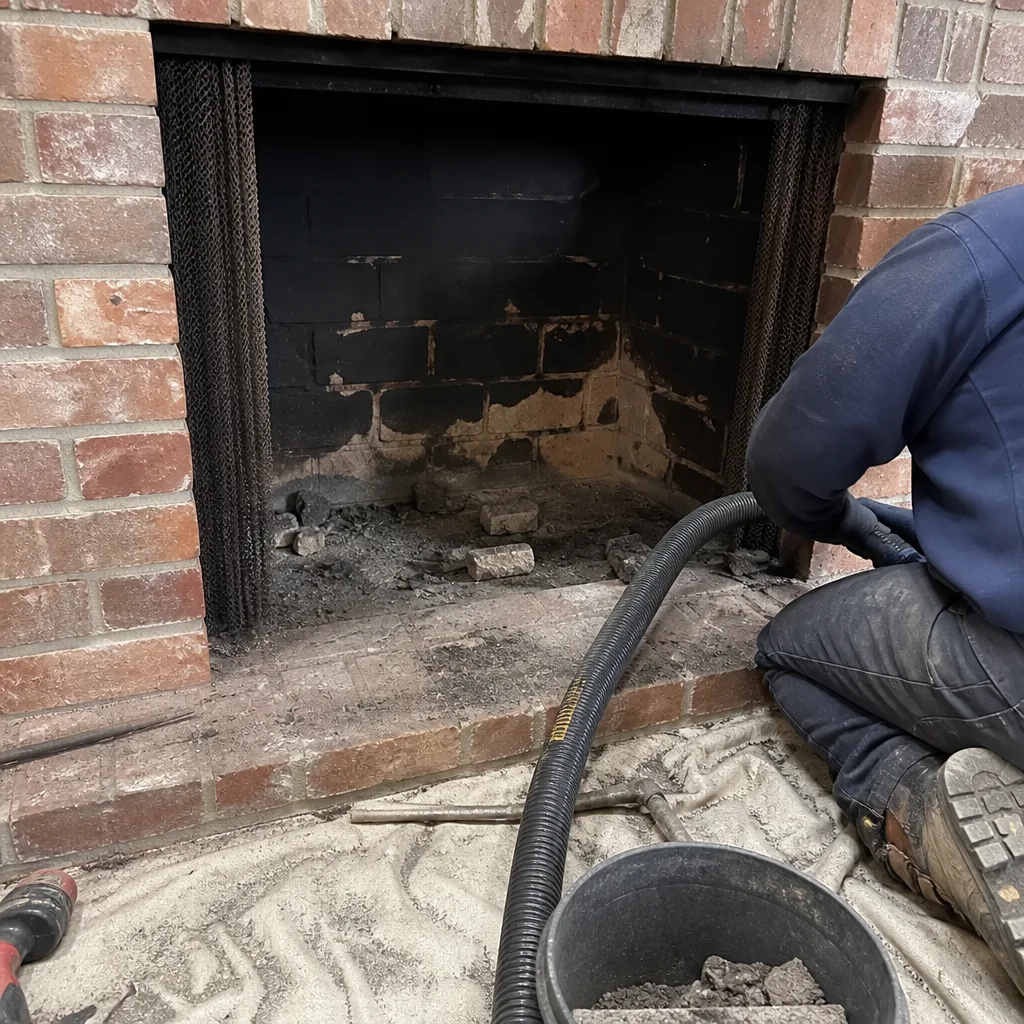
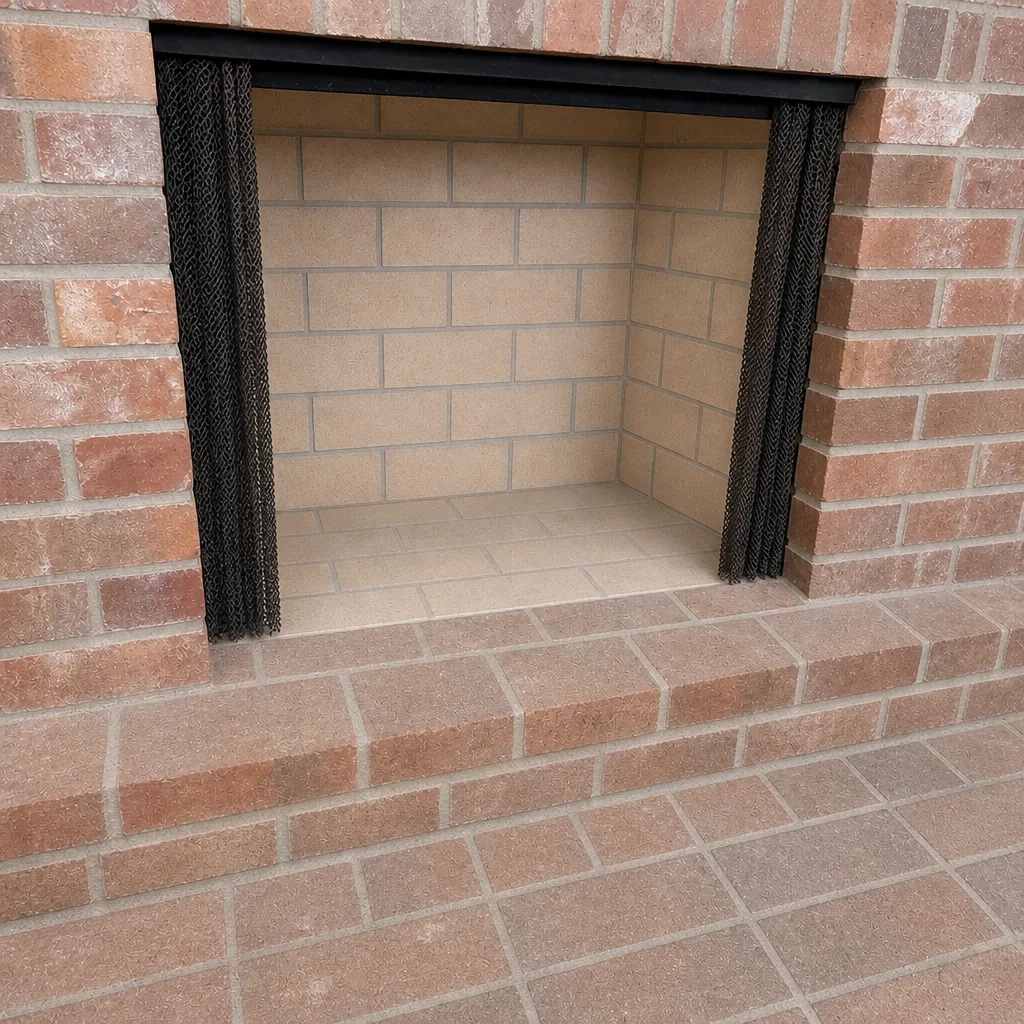
See the difference
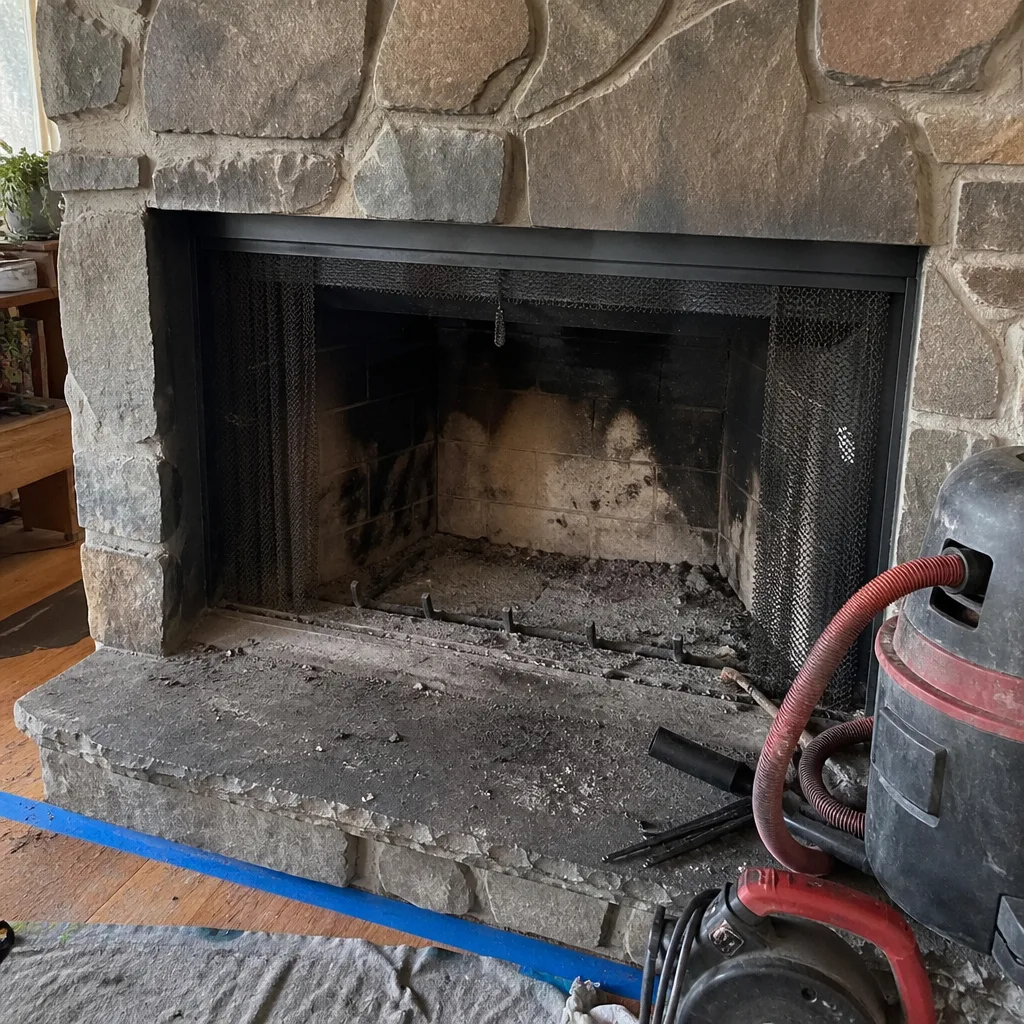 Before
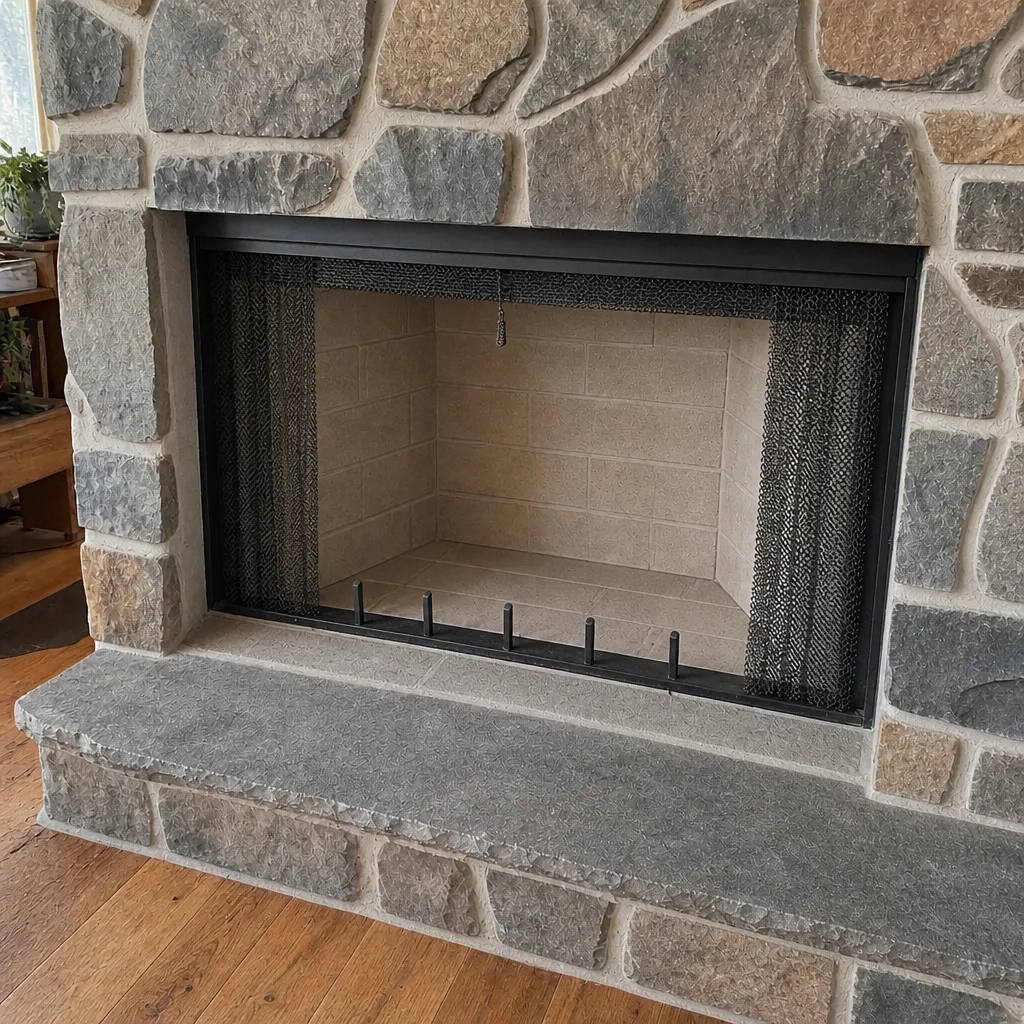 After
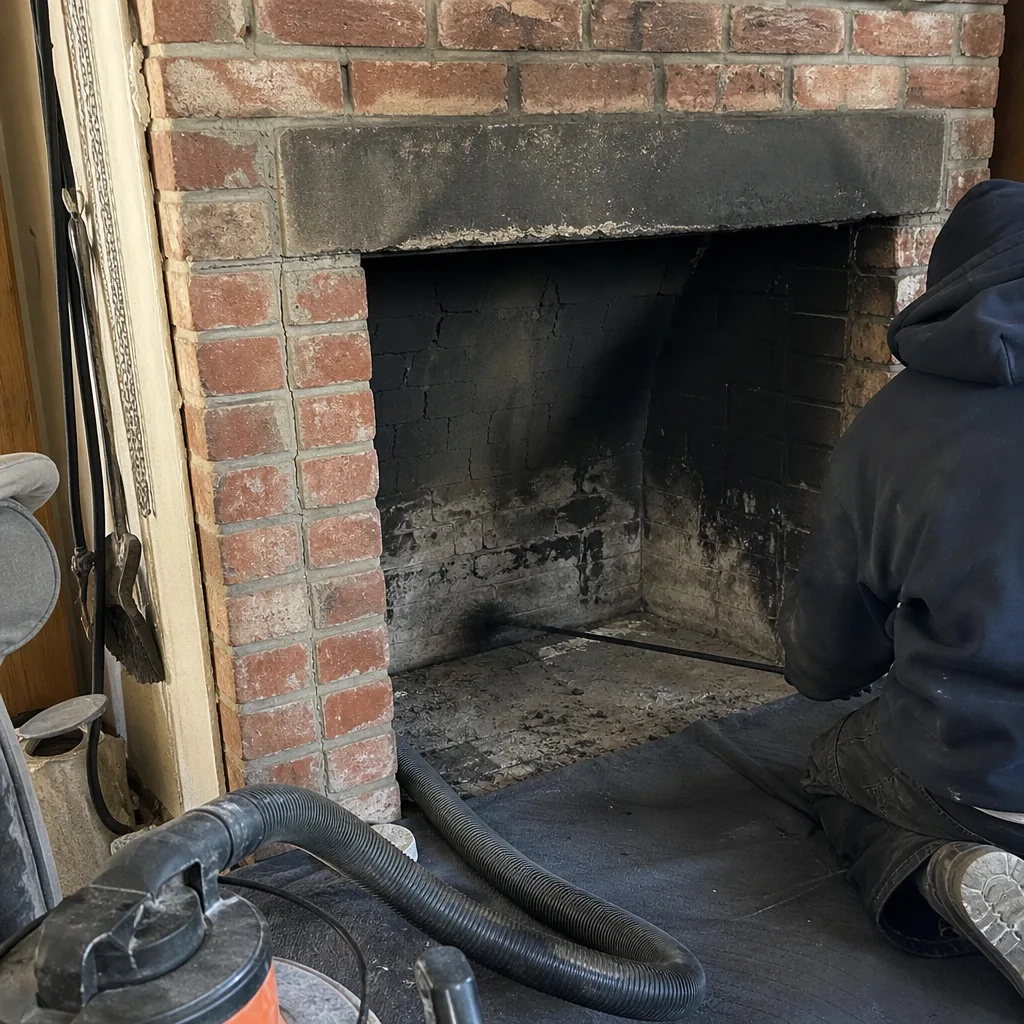 Before
 After
 Before
 After
When to Call a Professional
Some situations don’t wait for the annual calendar. Call us if you see smoke rolling back into the room when the fire is lit, if you notice a strong creosote or soot smell outside the burning season, if you see water staining on the ceiling or walls near the chimney, or if the cap, crown or flashing looks damaged from the ground. Call if the firebox is damp or rusted inside, if the chimney visibly leans, or if it’s been more than a year since the last sweep and inspection. Call if the damper sticks and you’re not sure why, and call before you buy a home with a chimney you haven’t had inspected. Kent Chimney Sweep Pros offers free estimates in Kent; call (877) 699-0126 and we’ll book an inspection. We answer 24/7. Fast dispatch from 7am to 7pm, Sunday through Friday.
Frequently Asked Questions
Once a year is the standard, and for most wood-burning fireplaces that means an annual sweep plus an annual inspection before the burning season starts. Kent’s wet climate makes the inspection just as important as the sweep, since water damage shows up whether or not you’ve been burning. If you burn heavily, you may need more frequent sweeps. Call (877) 699-0126 to schedule yours.
Skipping annual care lets creosote build up and lets water damage go unaddressed, and both get harder and more expensive to fix the longer they’re left. Water that gets into the masonry through a failed cap or crown can damage the liner and structure over multiple wet seasons. The risk is slow deterioration rather than a sudden failure, which is exactly why it’s easy to miss. Call (877) 699-0126 for an inspection before another Kent winter passes.
You need a liner repair or replacement only if an inspection shows the liner is cracked, damaged or no longer properly seated. Many chimneys don’t need a new liner at all, and the honest answer is often that the liner is fine. That’s why we start with an inspection and show you the evidence before recommending anything. Call (877) 699-0126 if you’ve been told you need a liner and want an independent look.
You can safely handle the off-season light work, such as clearing ash from the firebox, lubricating the damper and checking the cap, crown and flashing from the ground. Anything involving the inside of the flue, the liner, the crown, the roof or the masonry needs a trained chimney professional. Flues are enclosed spaces and a missed defect can allow heat or carbon monoxide into the home. Call (877) 699-0126 to book the parts that need a professional.
March is when the freeze-thaw damage of a wet winter shows up. The chimney has spent the winter cold and damp, and the repeated overnight freezing and daytime thawing opens up joints and cracks that were under pressure all season. It’s the best time of year to inspect the exterior for new damage. If you notice anything in March, call (877) 699-0126 to get it looked at before spring repairs.
Keep a simple log with the date of every service, who did the work, what was done, what was found, and the written inspection report and any before-and-after photos. Filing product records when a repair is done, such as a resurfacing or relining, makes the history complete. Store it with your other home records. If you’re missing records, an inspection now starts the log. Call (877) 699-0126 for a free estimate.
The Bottom Line
A chimney maintenance checklist for Kent homes has to be built around moisture, not just fire. The most important items aren’t the dramatic ones; they’re the annual sweep and inspection before the burning season, the ground-level checks for the cap, crown and flashing, and a written record of everything. Kent’s wet, mild winters mean water intrusion does more long-term damage than heavy use, and the March freeze-thaw window is when that damage shows up. Get the sweep and inspection done, keep water out with a sound cap and crown, document every visit, and let a full-system chimney specialist handle the parts that need one. Kent Chimney Sweep Pros handles the full scope of chimney care, from the routine sweep through liner repair and structural work, using professional-grade products like HeatShield, DuraFlex, Olympia Chimney and Famco. For a free estimate in Kent, call (877) 699-0126. We answer 24/7. Fast dispatch from 7am to 7pm, Sunday through Friday. To start with the basics of annual service, see our chimney sweep page, our fireplace repair page for firebox and damper issues, and our Kent Chimney Sweep Pros home page for the full range of services.
Written by the team at Kent Chimney Sweep Pros.