
Last updated November 25, 2026
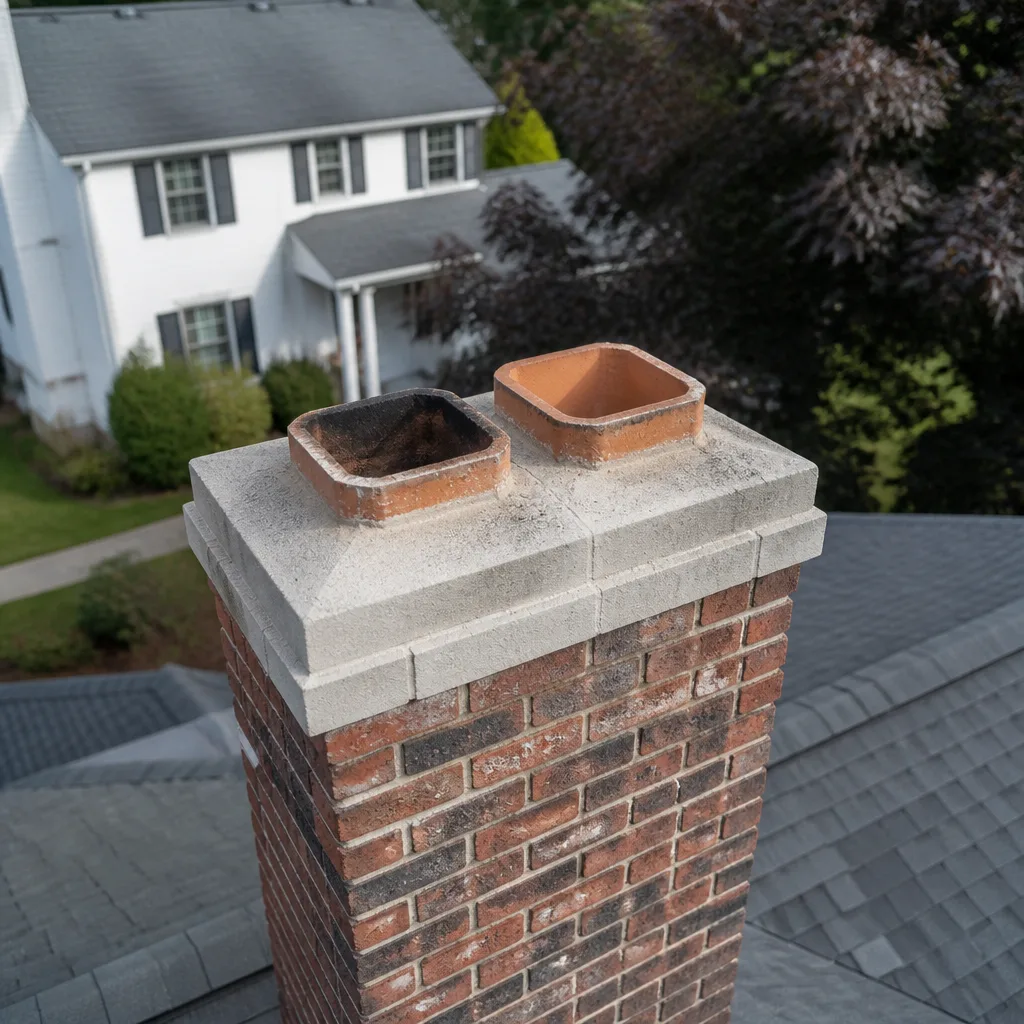 Sweep & inspection
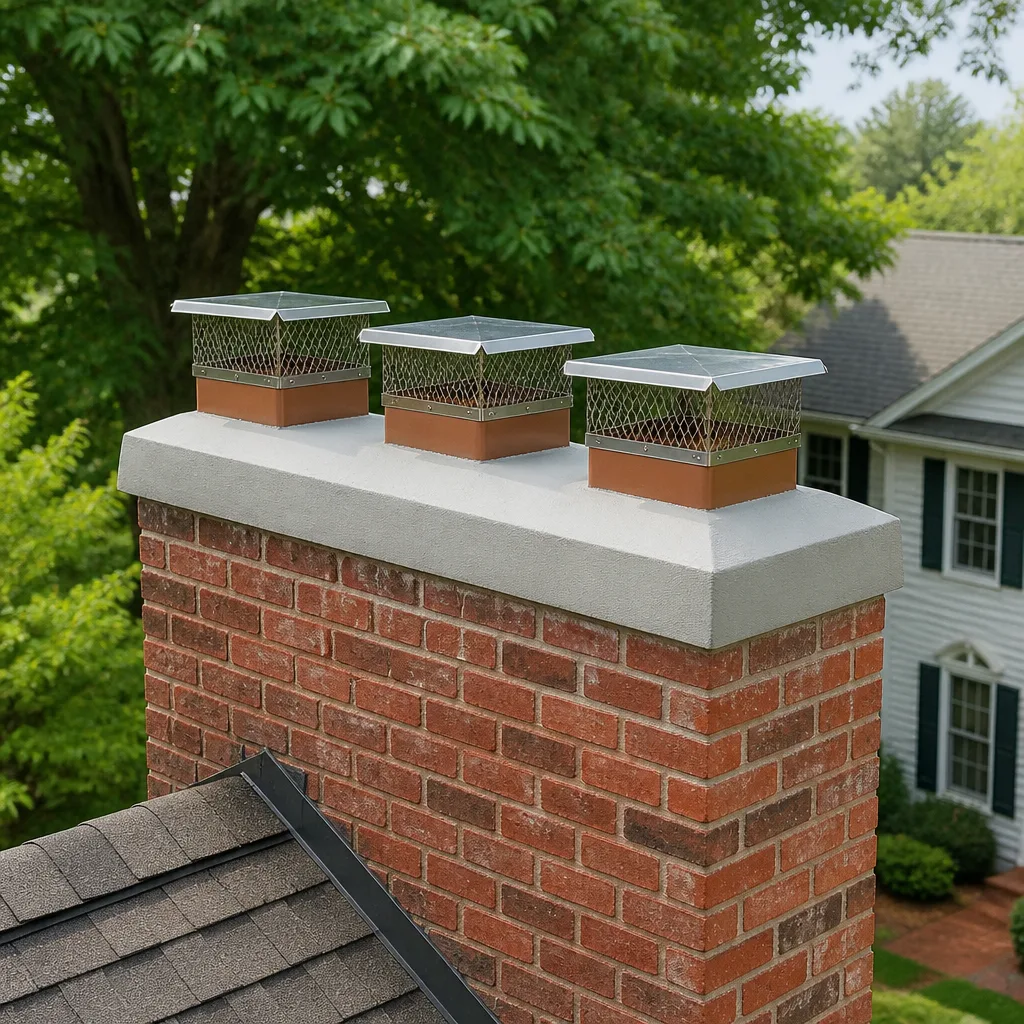 Caps & crowns
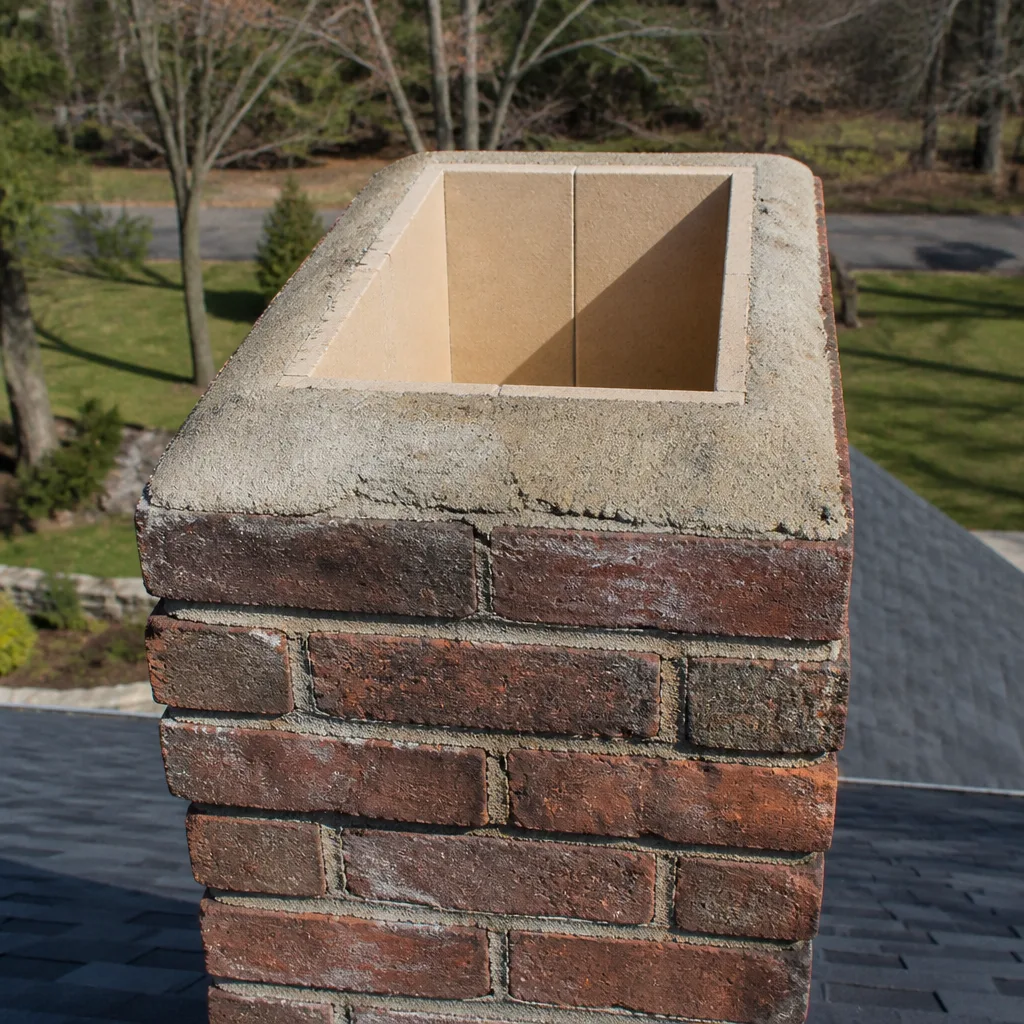 Flue relining
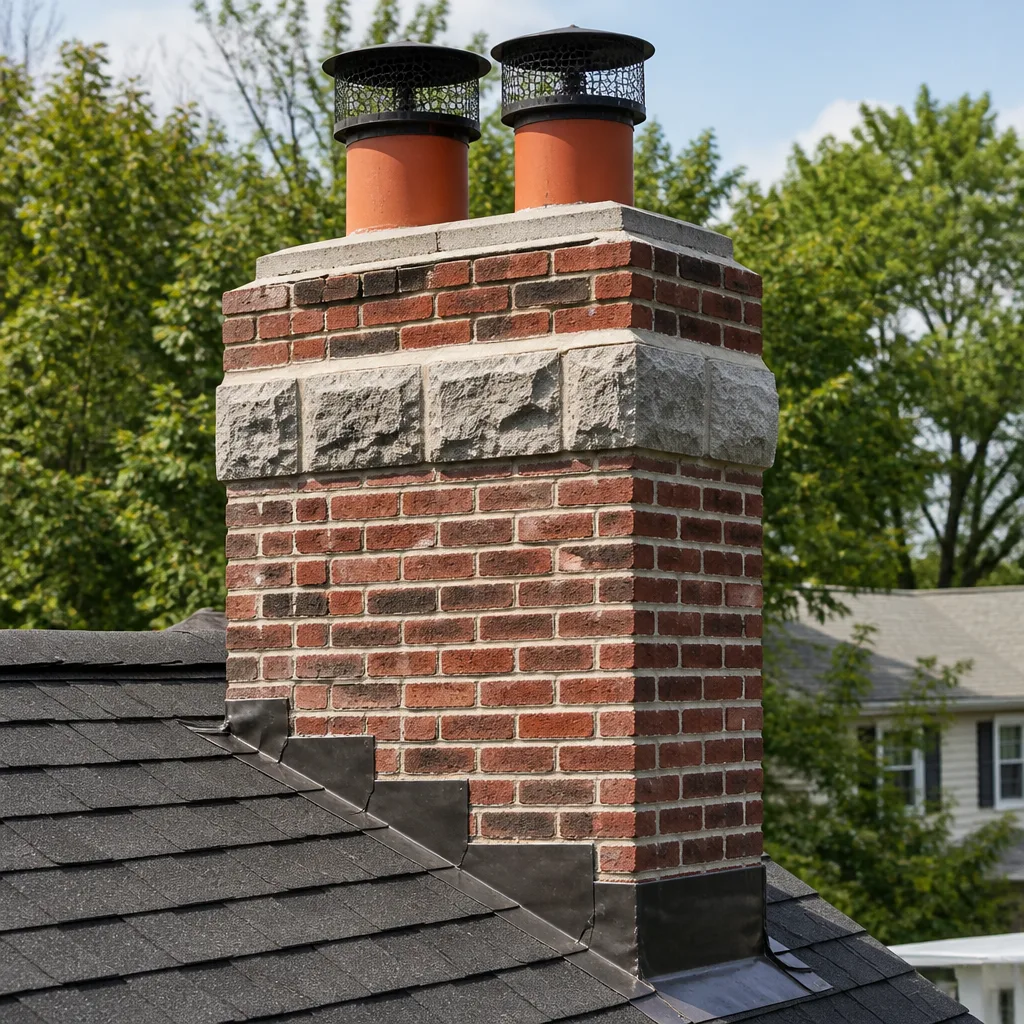 Masonry repair
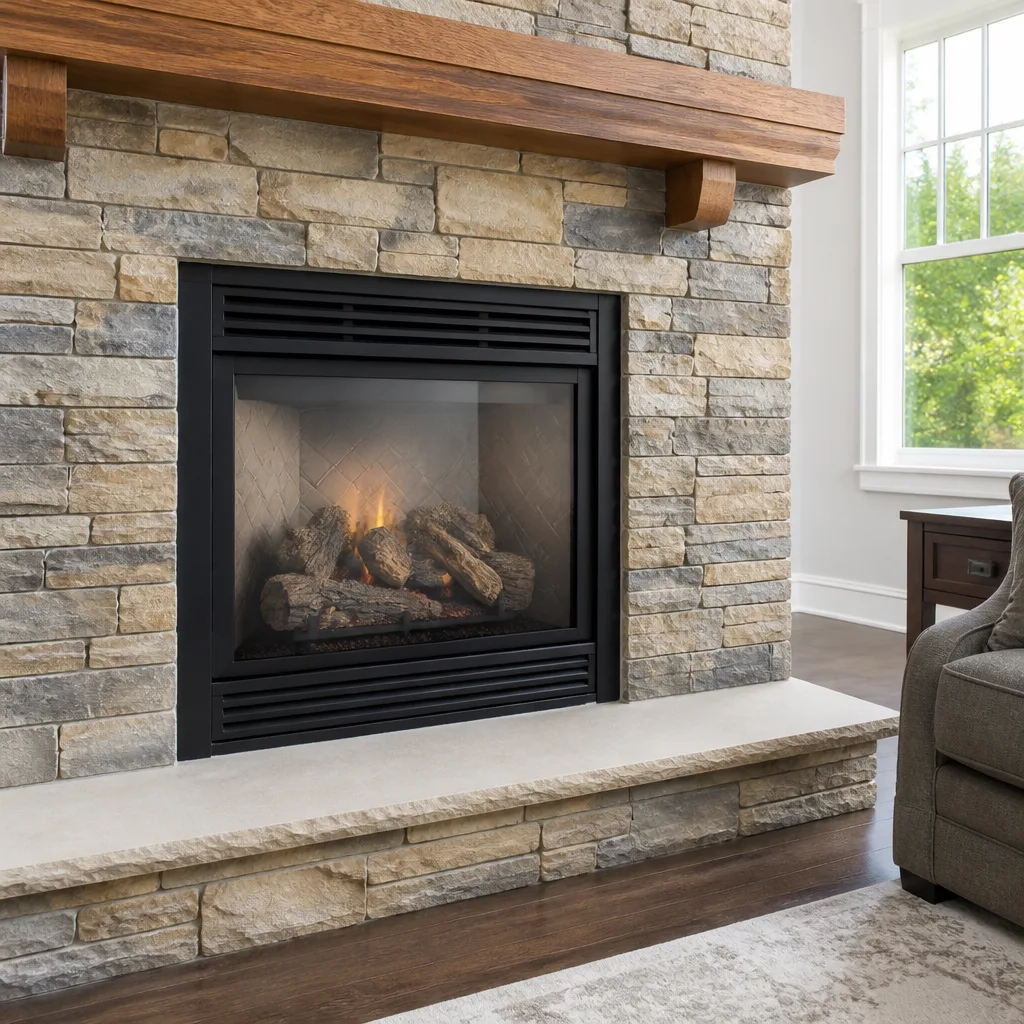 Gas fireplace service
Level 1 sweep and inspection to the NFPA 211 annual standard - flue, crown, cap, and flashing checked and photographed
Chimney sweep logs do not sweep chimneys. They loosen some creosote - which then falls where a brush and vacuum still have to collect it.
Choosing the Right Chimney Cleaning Brand: A Buyer’s Guide for Kent
There’s no consumer-grade chimney sealant on any hardware store shelf that performs like a professional waterproofing system, and most homeowners in Kent don’t learn that distinction until a repair has already failed and water is staining the ceiling around the flue. The brands a chimney company works with tell you more about how they operate than almost any other signal: whether they diagnose before they sell, whether they’re trained on the materials they apply, and whether they can finish the job or hand you off to someone else. This guide explains what those product lines actually are, how to ask about them, and how to read the answer you get.
Quick Answer
The right chimney company in Kent is the one that inspects before recommending, names the specific professional product lines it works with, and can handle the repair those products support without subcontracting. If a contractor can’t tell you which waterproofing, resurfacing, or liner systems they use, treat that as a signal to keep looking.
Styles & brands we work with
- Sweep & inspection
- Caps & crowns
- Flue relining
- Masonry repair
- Gas fireplace service
Table of Contents
- Why the Brands a Chimney Company Uses Matter
- The Professional Product Lines Credentialed Contractors Use
- How to Ask a Contractor What Products They Use
- Brush Materials: Poly, Wire, and Blends
- Why Sealant Choice Matters in Kent’s Wet Climate
- Cross-Referencing Claims Against Manufacturer Requirements
- Red Flags in a Product Conversation
- What Professional Product Lines Look Like in Practice
Why the Brands a Chimney Company Uses Matter
A chimney sweep’s tool and material choices are hard to fake and easy to discuss. Ask a company what brush they run on a masonry flue versus a factory-built metal chimney, and a trained technician answers without pausing. Ask what waterproofing they apply to a crown, and the answer separates a full-system specialist from a sweep-and-go operation.
The reason is simple. Professional-grade chimney products are sold through trade channels, come with installation requirements, and in some cases require the applicator to be trained before the manufacturer will stand behind the material. A company that invests in those lines has made a decision to handle the whole system, not just the cleaning visit. That distinction matters in Kent, where the wet season does more gradual damage to masonry and crowns than most homeowners realize until a repair quote is on the table.
What this guide covers:
- Which professional lines exist and what each one is actually for
- How to ask about product use and interpret the reply
- Why brush material selection changes with flue type and creosote stage
- Why waterproofing products matter as much as application in Kent’s climate
- How to check a contractor’s product claims against manufacturer requirements
None of this requires you to become a chimney expert. It requires knowing which questions reveal competence and which answers signal a company that buys whatever is cheapest at the box store.
The Professional Product Lines Credentialed Contractors Use
Professional chimney products fall into a few functional categories: waterproofing and sealant systems, flue resurfacing systems, and flexible liner systems. Each category solves a different problem, and a full-service chimney company should be fluent in all three.
On the waterproofing side, ChimneySaver and Saver Systems (the maker behind products like SaverSeal) are the names that come up in trade conversations. These are breathable water repellents designed for masonry. The key word is breathable: a masonry chimney needs to let interior moisture escape while shedding exterior rain. A film-forming sealer from a hardware store does the opposite. It traps moisture inside the masonry, and when that moisture freezes and expands or simply pushes outward, the sealer flakes off and takes brick face with it.
For flue resurfacing, HeatShield is a specialist system used to repair damaged clay liner joints and cracks by applying a resurfacing material that restores the flue’s interior surface. It’s a targeted repair for a liner that’s compromised but not ready for replacement, and it’s the kind of material a sweep-only company typically doesn’t carry because applying it requires specific training.
For full relining, DuraFlex flexible liner systems are the workhorse. A stainless flexible liner is what goes in when a clay flue has failed and needs a new interior pathway rated for the appliance. Olympia Chimney is another name in that space, along with components like caps and tops that finish the system at the roofline. Famco and Copperfield round out the picture on caps, dampers, and top-sealing hardware.
What ties these together is trade-level sourcing. A company working with these lines has chosen materials that come with manufacturer installation standards, which is a different commitment from buying generic supplies by the case.
How to Ask a Contractor What Products They Use
The question is easy. The answer tells you a lot. Here’s how to run the conversation.
- Ask what they use for waterproofing. A professional names a specific system, like a ChimneySaver or Saver Systems product, and can explain why it’s breathable. A weak answer is “a masonry sealer” with no further detail.
- Ask what they’d use on a cracked liner. A company trained on HeatShield will mention resurfacing as an option before jumping to full replacement. A sweep-only outfit will tell you replacement is the only path, or hand the question off.
- Ask what liner system they install if relining is needed. DuraFlex or Olympia Chimney are trade-standard answers. “Whatever the supplier has” is not.
- Ask who applies the material. If a manufacturer requires a trained or certified applicator for a product, the company should be able to tell you they’re qualified to apply it.
- Ask how they decide between repair and replacement. The answer should involve an inspection with camera evidence, not a guess from the ground.
Run these questions before you book a sweep, not after. A company that handles Kent Chimney Sweep Pros full chimney system care will answer all five without hesitation because the products are part of how they work, not a script.
The replies sort themselves into three buckets. Specific product names plus reasoning means competence. Vague category words (“industrial-grade,” “professional-strength”) with no names means the company may be buying whatever’s available. A non-answer, or a pivot to price, means you’ve learned what you needed to.
Brush Materials: Poly, Wire, and Blends
Brush selection is the least glamorous part of a chimney sweep and one of the most revealing. The wrong brush on the wrong flue damages the liner. The right one cleans effectively without scoring the surface.
- Poly (polypropylene) brushes are the standard for most masonry flues with ordinary soot and light creosote. They’re stiff enough to remove deposits but soft enough not to abrade clay tile.
- Poly/wire blends handle heavier creosote loads, particularly the glazed stage where deposits have baked onto the flue wall. The wire component adds cutting action.
- Full wire brushes are reserved for tough cases and used carefully. On a factory-built metal chimney or a stainless liner, a wire brush can scratch the surface and create a place for creosote to grab. On clay tile, aggressive wire brushing can chip glaze and joints.
Creosote comes in stages: soot and light flaky deposits first, then a tar-like stage, then glazed creosote that’s hard and shiny and difficult to remove with a brush alone. A professional assesses the stage before choosing the tool. Glazed creosote may call for chemical treatment or a rotary cleaning approach, and if the buildup is heavy enough, a sweep should tell you plainly rather than brush over it and move on.
Flue type matters just as much. A masonry chimney with clay tile liners, a factory-built fireplace with a metal flue, a wood stove with a stainless liner: each has its own correct brush. A technician who can explain the choice in plain terms has done the work enough times to have a reason. Our technicians have up to 9 years of experience, and in that time the brush question becomes second nature.
Why Sealant Choice Matters in Kent’s Wet Climate
Kent sits in western Washington, where the wet season runs long and masonry absorbs a lot of water over the course of a year. That makes waterproofing product selection more consequential here than in a dry climate where rain is occasional.
The most common entry points for water on a chimney are the crown and the cap. The crown is the concrete or masonry surface at the top, and when it cracks, water gets into the chimney structure and works down. A cap keeps rain and animals out of the flue. Most deterioration in a chimney traces back to one of these two failing, and most chimney companies don’t address them as part of a standard service, which is why the damage keeps advancing.
The product matters because of how masonry behaves. A breathable waterproofing system lets vapor escape while water stays out. A film sealer traps vapor, and in a climate where masonry stays damp through much of the year, that trapped moisture eventually pushes the sealer off. The repair then has to be redone, sometimes with masonry damage underneath.
Two practical points for Kent homeowners:
- Ask what’s being applied to the crown and the masonry, and why. The answer should include the word breathable.
- Ask whether the crown will be sealed or rebuilt if cracks are found. A cracked crown that’s simply painted over will crack again. A crown repair or rebuild with the right product and a proper slope is a different job.
This is also where an honest inspection pays off. A company that recommends crown work should be able to show you the crack, explain what water is doing to it, and tell you whether the repair can wait until the dry season or should be handled before the next stretch of rain.
Cross-Referencing Claims Against Manufacturer Requirements
Some professional chimney products require trained or certified applicators before the manufacturer will support the installation. That requirement is your check on a contractor’s claims.
How to verify:
- Note the product name the contractor gives you. Write it down. Ask them to spell it if needed.
- Check the manufacturer’s installer requirements. Product literature and manufacturer websites state whether the product requires a trained applicator and what that training involves.
- Ask the contractor to confirm they meet those requirements. A straightforward yes is what you want. A hedge is a warning.
- Ask whether the manufacturer’s warranty depends on proper application by a qualified applicator. Most do, and understanding that puts the application quality where it belongs as a selection criterion.
This matters for resurfacing systems like HeatShield, which is only as good as the application. It matters for liner systems, where the manufacturer’s installation instructions and the company’s competence both determine whether the liner performs. It also matters for waterproofing, where a properly chosen but badly applied product does less than the label promises.
The company that works with these lines as a matter of routine has already done this cross-reference for you. They stock and train on the professional brands because the work they take on requires it. A company that can install a DuraFlex liner, apply HeatShield resurfacing, and finish the job with a proper cap and crown isn’t handing parts of the job to another contractor. That single-company accountability is the practical outcome of working with a curated product set.
Red Flags in a Product Conversation
The product conversation filters companies fast. Here’s what to watch for:
- No product names at all. “We use professional-grade materials” without specifics is a script, not an answer.
- Waterproofing described as “a sealer” with no mention of breathability. In Kent’s climate that’s the distinction that decides whether the job holds.
- A quote before an inspection. If the company names a price for liner work without having looked at your flue, the price is a guess or a sales pitch.
- Repair recommendations with no evidence. Any recommendation should come with camera footage or a photo report you can see for yourself.
- A refusal to separate diagnosis from repair. The company that inspects should be able to explain what’s wrong clearly enough that you can weigh the options.
- Reluctance to discuss manufacturer requirements. A qualified applicator doesn’t mind the question.
- A sweep who can clean but can’t repair. Cleaning is one service. If a problem surfaces mid-sweep, you want the person who found it to be able to fix it, or to tell you honestly who can.
None of these are disqualifying on their own. Together they tell you whether you’re talking to a full-system specialist or a cleaning-only operation.
What Professional Product Lines Look Like in Practice
Here’s how the product set comes together on a typical job. A chimney sweep visit starts with an inspection. The technician assesses creosote stage, checks the flue with a camera, and looks at the crown, cap, and masonry from the roofline. If everything’s clean and sound, you’ve had a sweep, and the recommendation is to keep an eye on the crown through the wet season.
If the camera shows damaged liner joints, resurfacing with HeatShield is one option. If the liner has failed, a DuraFlex liner system is what goes in. If the crown is cracked, it gets repaired or rebuilt with the right material. If the cap is missing or damaged, it gets replaced. All of it under one roof, which means the person who diagnosed the problem is the person responsible for fixing it.
That’s the practical value of the professional lines: not that the brand name is impressive, but that the company working with them can finish what it starts. A company that sweeps, inspects, and then hands the repair to someone else introduces a seam in accountability. The inspection found the problem; the repair should come from the same place.
In Kent, this plays out seasonally. Before the wet season is the practical time to get the chimney checked and any crown or cap issue addressed. Before the heating season is the time for the sweep itself, so the flue is clean when the fireplace starts getting regular use. A company that can do both, with the right products, in the same visit, saves you the second call. The chimney repair work that inspection turns up is handled the same way.
Common Mistakes to Avoid
- Choosing on price alone. In Kent the cheap sweep often becomes the expensive one, because the money saved on the visit goes into a repair that a careful inspection would have caught earlier. Ask what the price includes, especially whether inspection is part of it.
- Accepting a quote without seeing the evidence. A dollar figure for liner work delivered before anyone has looked inside the flue isn’t an estimate. It’s a number.
- Confusing waterproofing with painting. Masonry needs a breathable water repellent. Paint and film sealers trap moisture, and in a wet climate like Kent’s, trapped moisture does more damage than the rain it was supposed to block.
- Skipping the cap and crown. These are the most common entry points for water and the most common source of long-term chimney damage. A sweep that cleans the flue but leaves a cracked crown alone has done half the job.
- Assuming one brush works on every flue. A factory-built metal flue, a clay tile flue, and a stainless liner each need the right brush. Wire on a metal flue can scratch it.
- Not asking who does the repair. If the diagnosis and repair are handled by different companies, nobody owns the outcome. Ask upfront.
- Waiting until the first cold snap. Roof-level work and masonry repair happen best in dry weather. Kent’s wet season makes October the practical deadline for anything that needs to dry before the rain settles in.
See the difference
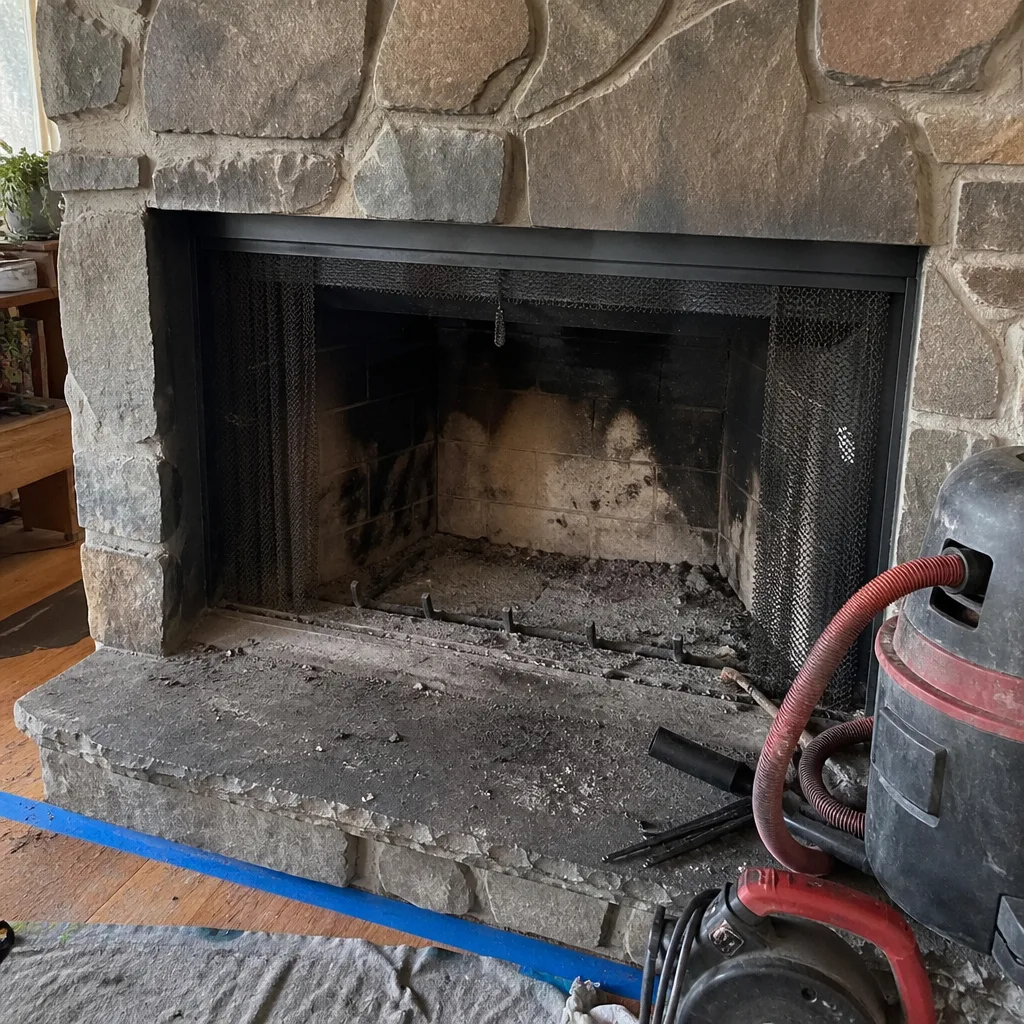 Before
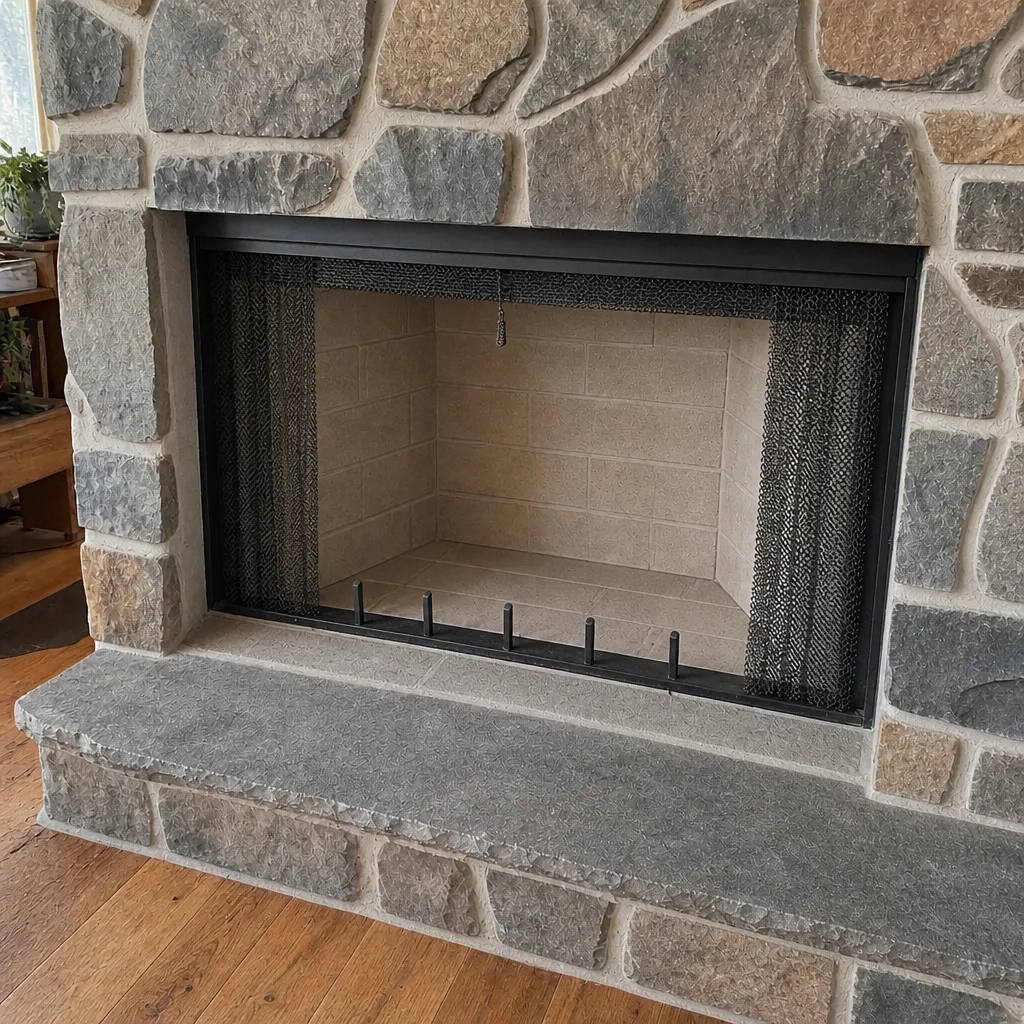 After
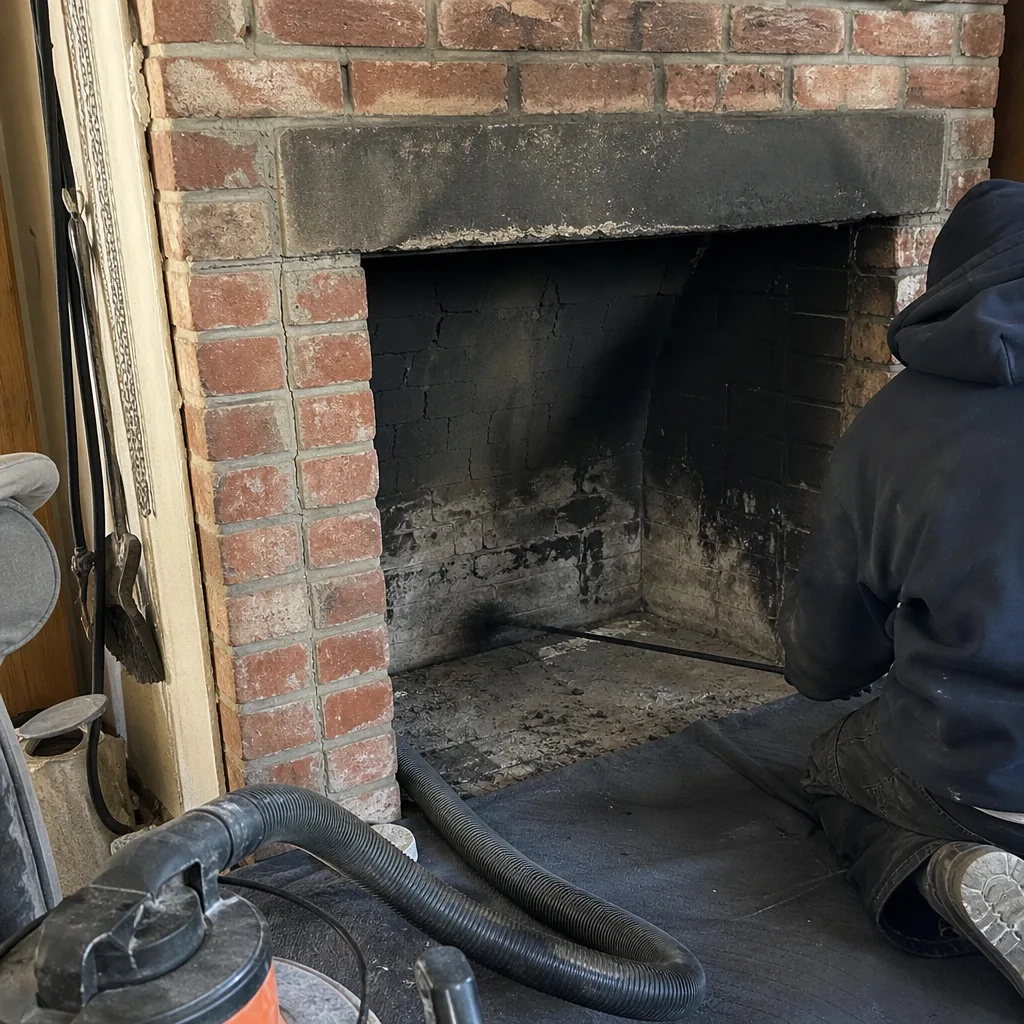 Before
 After
 Before
 After
When to Call a Professional
Call a professional when you can’t verify what’s happening inside the flue yourself. Beyond the routine annual sweep, the situations that call for a trained eye include: the smoke pulls back into the room instead of up the chimney, the fire burns poorly or smells stronger than it should, the masonry looks cracked or stained, the crown shows cracks, or the cap is missing or damaged. Glazed creosote that’s visible from the firebox, or a strong tar smell, calls for an inspection before the next fire. Fireplace issues aren’t limited to the flue; a fireplace repair may be what’s needed if the firebox itself is damaged. Kent Chimney Sweep Pros offers free estimates in Kent. Call (877) 699-0126. We answer 24/7. Fast dispatch from 7am to 7pm, Sunday through Friday.
Frequently Asked Questions
A full-service chimney company in Kent should work with professional waterproofing systems, a flue resurfacing system, and a flexible liner line, along with caps and crowns. In practical terms, that means brands like ChimneySaver or Saver Systems for waterproofing, HeatShield for resurfacing, and DuraFlex or Olympia Chimney for liners. A company that names specific trade lines can usually explain why each one is used. Call (877) 699-0126 for an exact quote; estimates are free.
Yes, and it’s significant. Professional waterproofing systems are breathable, meaning they let moisture vapor escape from masonry while repelling rain. Consumer sealers typically form a film that traps moisture. In a wet climate like Kent’s, trapped moisture causes the sealer to fail and can damage the brick underneath. It’s the product category, not just the brand, that makes the difference. Call (877) 699-0126 to talk through what your chimney needs; estimates are free.
It depends on what the camera shows. Resurfacing with a system like HeatShield repairs damaged clay liner joints and cracks and can restore a flue that hasn’t failed completely. A liner that’s structurally compromised needs full replacement with a flexible stainless system. The right answer comes from an inspection, not a phone conversation, and you should see the camera evidence yourself before deciding. Call (877) 699-0126 for an exact quote; estimates are free.
Most wood-burning fireplaces need a sweep once a year, and gas appliances should be inspected annually as well. The annual visit is where problems get caught early, before water intrusion or liner damage turns into a bigger repair. Kent’s wet season makes late summer or early fall the practical window for the sweep and any roof-level work. Call (877) 699-0126 to book an exact quote; estimates are free.
Creosote builds up in the flue and becomes a fire hazard at the glazed stage. Beyond that, skipped years mean damage that would have been caught early gets a chance to advance: a cracked crown lets water in, the cap fails, the liner joints degrade. By the time the problem is obvious, the repair is larger. The sweep itself is the cheap part. Call (877) 699-0126 for an exact quote; estimates are free.
Kent gets a long wet season, and masonry spends months of the year absorbing water. That makes correct waterproofing the difference between a chimney that lasts and one that keeps needing repair. The product has to be breathable and meant for masonry. A film sealer that traps moisture does more damage here than in a dry climate. Call (877) 699-0126 for an exact quote; estimates are free.
The Bottom Line
The brands a chimney company uses are a shortcut to understanding how they work. Professional waterproofing systems, flue resurfacing materials, and flexible liner lines all sit on the same shelf, and the companies that work with them are set up to diagnose, repair, and protect the full chimney system, not just clean it. In Kent’s climate, that matters more than the brand logo; it matters because breathable products hold up, crowns and caps stop the water, and one company can finish what it starts. Ask the product questions before you book. The answer tells you what you need to know about the company you’re hiring.
If you want a straight answer on what your chimney actually needs, call (877) 699-0126. We’ll take a look and give you a free estimate with evidence you can see for yourself.
Written by the team at Kent Chimney Sweep Pros.