
Last updated November 25, 2026
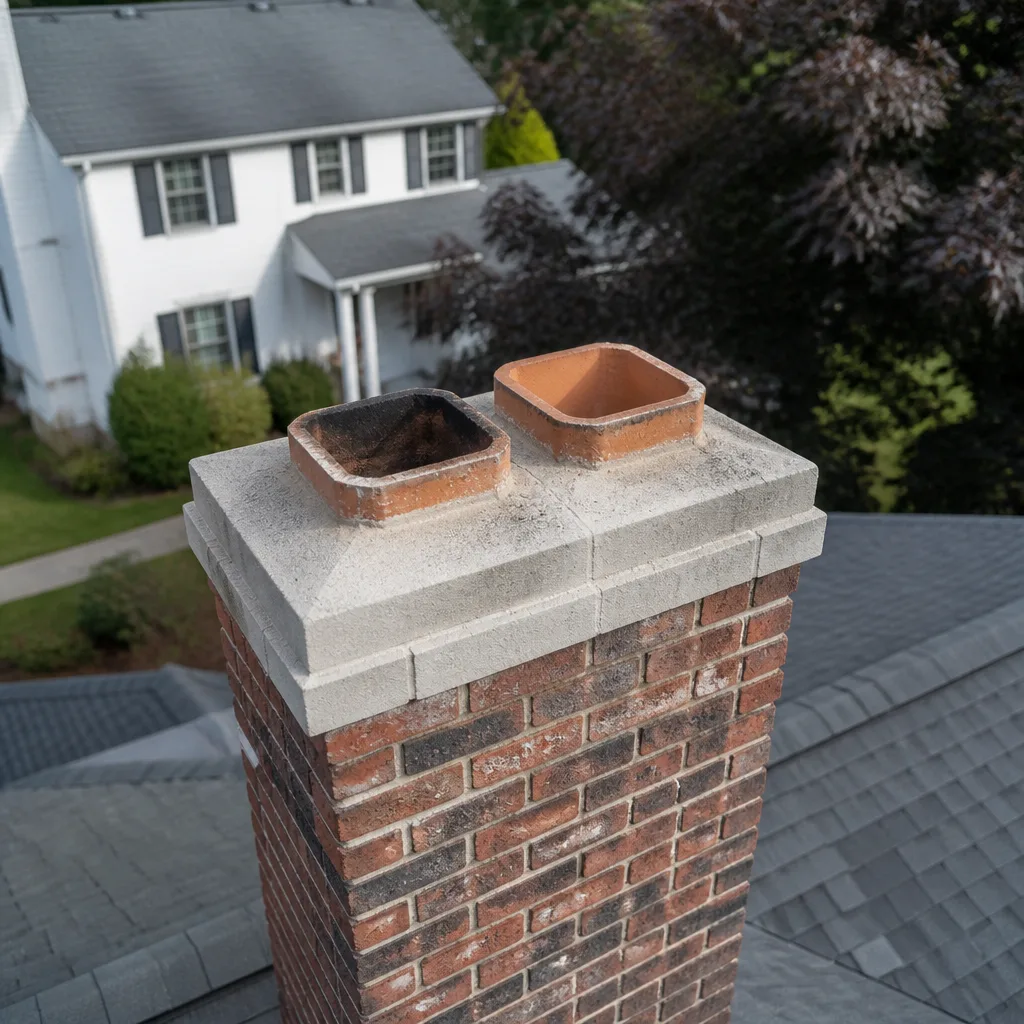 Sweep & inspection
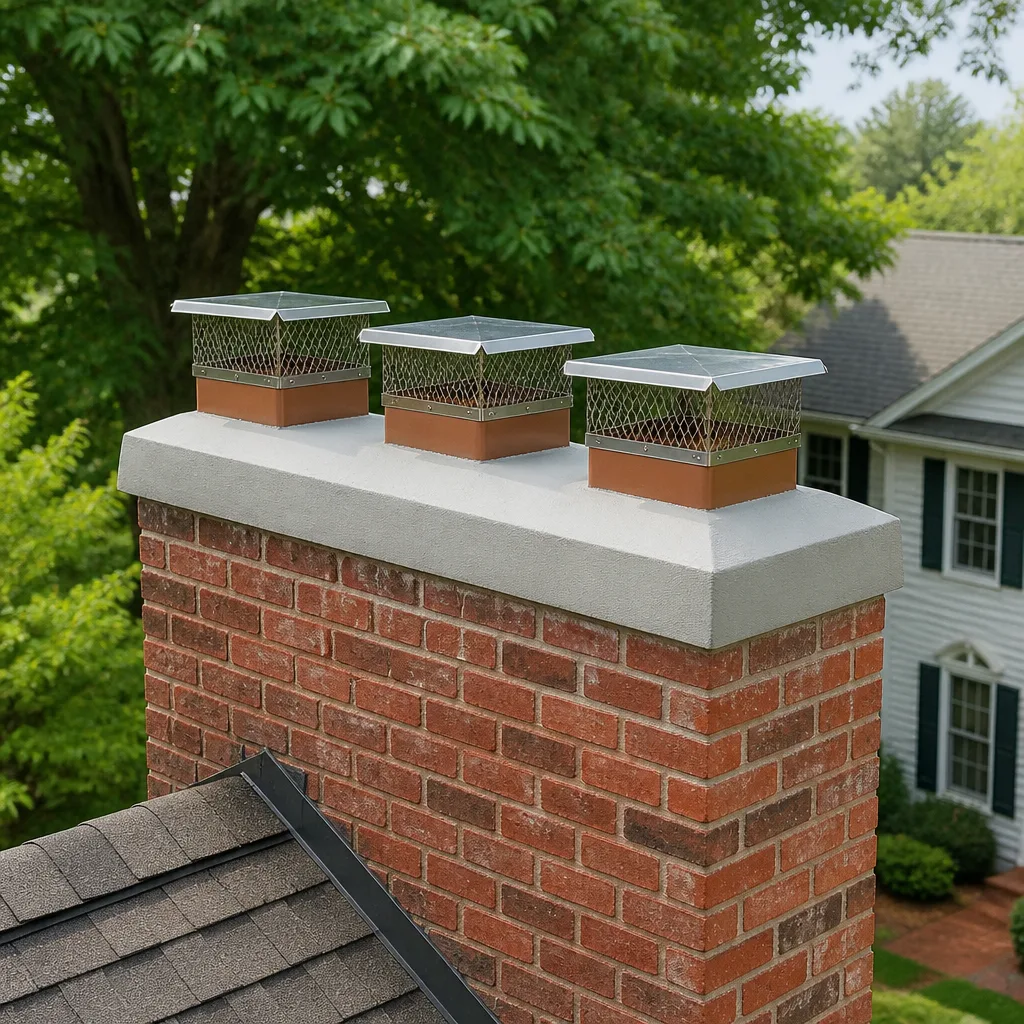 Caps & crowns
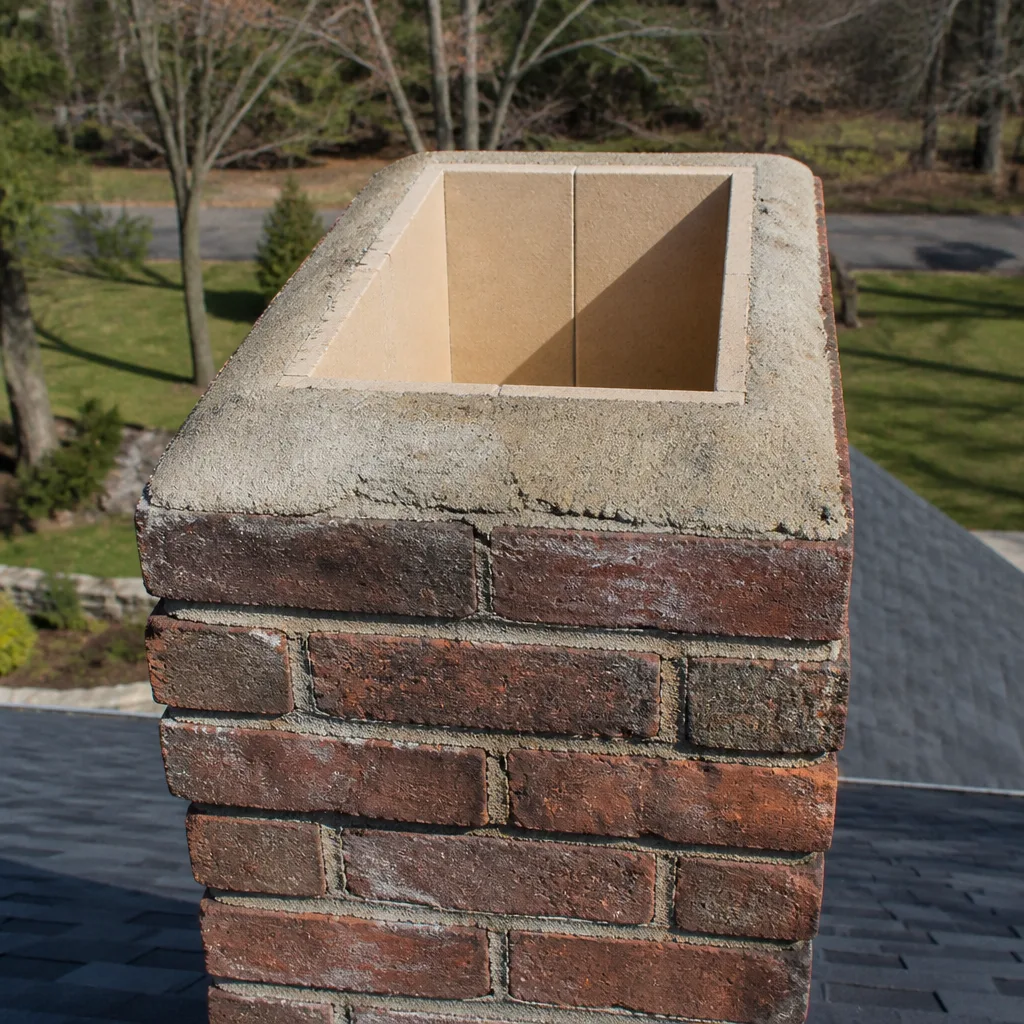 Flue relining
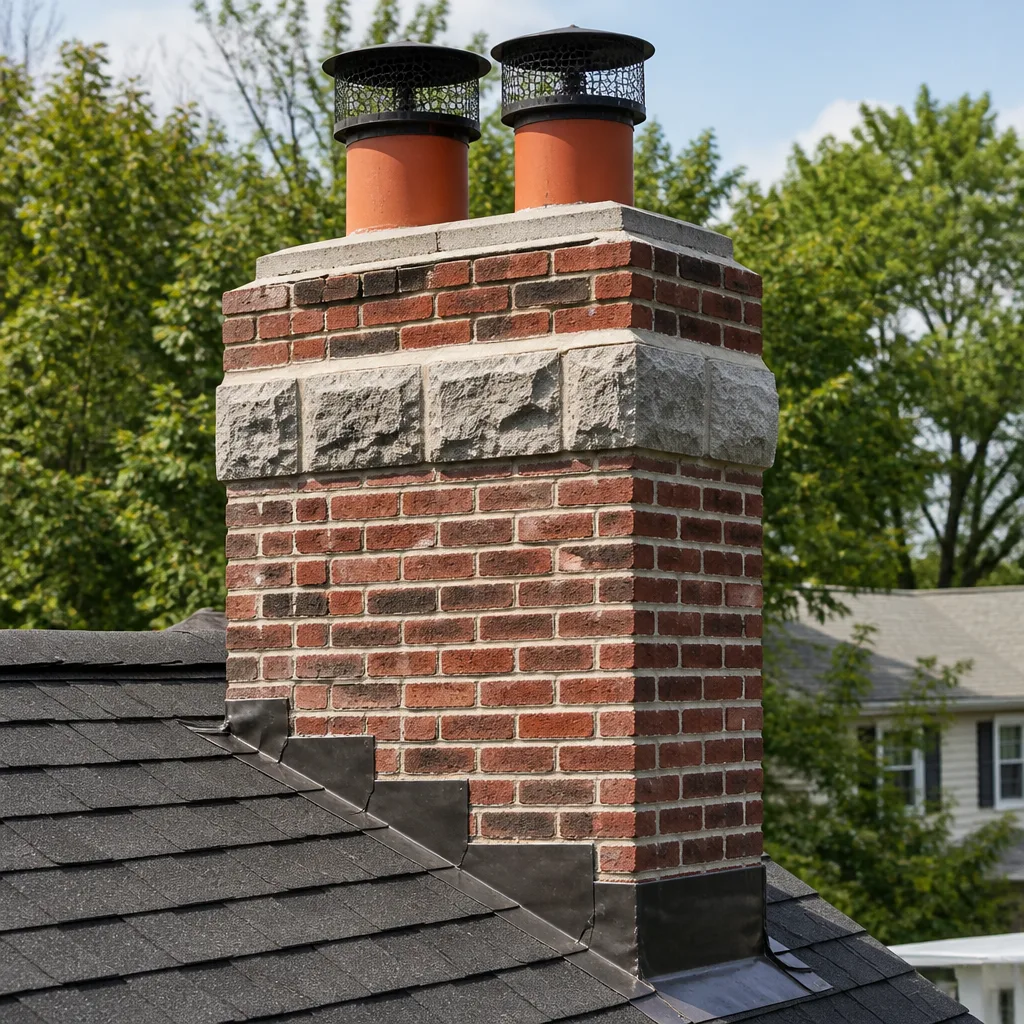 Masonry repair
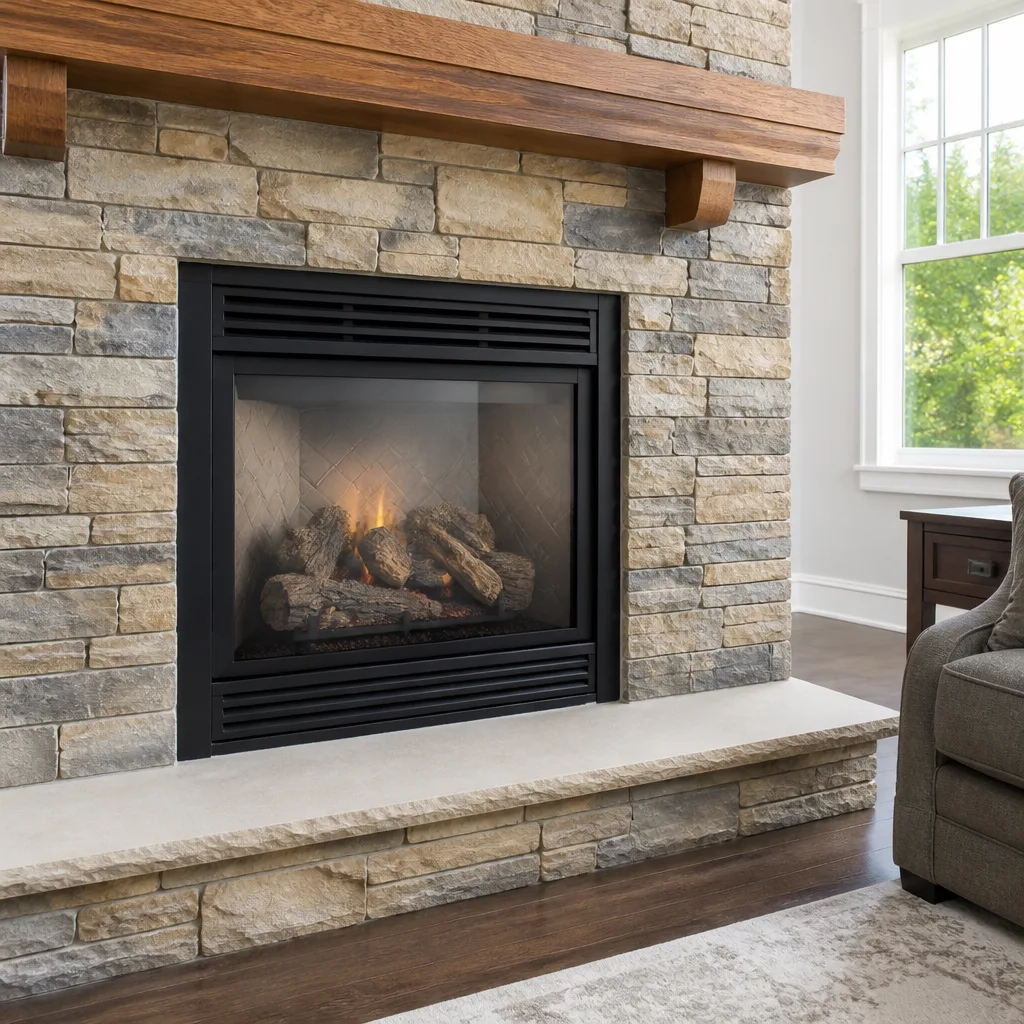 Gas fireplace service
Level 1 sweep and inspection to the NFPA 211 annual standard - flue, crown, cap, and flashing checked and photographed
Chimney sweep logs do not sweep chimneys. They loosen some creosote - which then falls where a brush and vacuum still have to collect it.
How to Hire a Chimney Cleaning Contractor in Kent: A Step-by-Step Guide
A chimney sweep visit that takes under 45 minutes almost certainly skipped something. A thorough cleaning and basic inspection of an average flue takes longer than that by definition, and in our experience the 20-minute in-and-out isn’t a sign of efficiency; it’s a sign the technician never looked at the firebox, the smoke chamber, or the crown. The real hiring mistake Kent homeowners make isn’t picking an uncertified sweep. It’s not knowing which questions separate a contractor who diagnoses the whole chimney system from a low-bid cleaner who vacuums the flue and leaves. This guide walks you through the exact questions to ask, what a legitimate written estimate contains, and how to spot the seasonal door-knocker crews that show up in South King County after the first big windstorm removes a few caps.
Quick Answer
To hire a chimney cleaning contractor in Kent, ask three questions before you book: what does your inspection actually include, will you put the findings in writing with photos, and do you repair what you find or hand it off? A legitimate sweep cleans the flue and inspects the full system, then gives you a written estimate for any repair. Verify that the local pro you hire is licensed and insured as their state requires, confirm they carry coverage for the work they do, and never accept a verbal quote for chimney repair. If a company cleans but doesn’t repair, you’ll be hiring a second contractor to fix what the first one found, which is exactly the handoff you want to avoid.
Styles & brands we work with
- Sweep & inspection
- Caps & crowns
- Flue relining
- Masonry repair
- Gas fireplace service
Table of Contents
- What CSIA Certification Actually Verifies
- The Interview Questions That Reveal a Diagnostician
- What a Legitimate Written Estimate Includes
- How to Verify Insurance and Spot Coverage Gaps
- Red Flags Unique to the Kent and South King County Market
- Why Kent’s Climate Demands More Than an Annual Sweep
- Full-System Contractor or Low-Bid Cleaner?
- Common Mistakes to Avoid
- When to Call a Professional
What CSIA Certification Actually Verifies
CSIA certification verifies that an individual sweep has passed a written and practical exam on chimney cleaning and inspection standards, and that they keep current with continuing education. That’s meaningful. It does not verify that the company can repair what the inspection uncovers.
This is the gap most Kent homeowners miss. A certified sweep can tell you your flue has cracked tile, spalling mortar, or a deteriorating smoke chamber. What they do next depends entirely on whether the business is set up to do repair work or only to clean. Some certified sweeps work for companies that sweep only and refer out every repair. Others work for companies that carry liner systems and resurfacing materials. The certification tells you the person knows how to look. It doesn’t tell you the company knows how to fix.
What certification also doesn’t guarantee:
- That the inspection will be documented with photos and a written report you can keep and compare
- That the company carries general liability and workers’ compensation coverage
- That the technician has experience with the specific materials your chimney needs, such as a HeatShield resurfacing application or a full DuraFlex reline
- That the company handles cap and crown work, which is where most water intrusion starts
None of this means certification is unimportant. It means certification is a starting filter, not a finish line. In Kent, where a lot of housing was built in the decades when wood-burning fireplaces were standard, the chimney stock is varied enough that the ability to diagnose and repair across different flue types matters more than passing a single credential. Ask about certification, then keep asking.
The Interview Questions That Reveal a Diagnostician
A diagnostician and a cleaner both say they inspect your chimney. The difference shows up in how they answer these questions. Make the call, ask, and listen.
- “What does your basic inspection include?” A cleaner describes a visual look down the flue. A diagnostician describes checking the firebox, damper, smoke chamber, flue interior, crown, cap, and the exterior masonry, and explains they’ll show you what they find.
- “Do you photograph what you find?” Any answer short of yes is a red flag. A photo of a cracked crown or a glazed creosote line tells you what words can’t.
- “If you find a problem, who fixes it?” If the answer is “we refer that out,” you’ve learned the company is a cleaner. That’s fine if that’s what you want, but it means a second contractor and a second diagnosis later.
- “What liner and repair products do you work with?” Listen for specific professional-grade product names. A company that carries DuraFlex flexible liners and applies HeatShield resurfacing does full-system work. Vague answers about “whatever’s available” mean the company doesn’t stock or train on repair materials.
- “Will you give me a written estimate with line items?” Yes is the only acceptable answer for repair work. See the next section for what should be in it.
- “How long does a standard clean and inspect take?” A thorough job on an average flue runs well past 45 minutes. A company that quotes 20 minutes is telling you what it plans to skip.
- “Do you carry liability and workers’ comp, and can I see the certificate?” A professional expects this question and answers it without hesitation.
You don’t need to interrogate anyone. Four or five of these will tell you what kind of company you’re talking to. When we talk with Kent homeowners, the questions they ask most are the ones about repair capability, because nobody wants to hire the sweep and then start the contractor search over once the inspection report lands.
What a Legitimate Written Estimate Includes
A verbal quote for chimney repair is a red flag, full stop. Chimney work is safety-critical and the scope varies widely from one flue to the next. A contractor who quotes a repair price over the phone, before seeing the chimney, is either guessing or planning to find more once they’re on the roof.
A written estimate for chimney work should include:
| Element | What It Should Say |
|---|---|
| Scope | The specific condition being addressed, named in plain language (cracked crown, deteriorated flue tile, missing cap, failed mortar joint) |
| Method | How it gets fixed and with what material or system, not just “repair” |
| Line items | Separate prices per task, so you can see what each part of the job costs |
| Photos | Reference to the inspection photos that justify the work |
| What can wait | An honest note if part of the recommended work is preventive rather than urgent |
| Payment terms | When payment is due and on what basis |
That last point matters more than homeowners expect. A contractor who tells you everything on the chimney needs attention immediately is either wrong or selling. A contractor who says the crown should be addressed this season but the firebox repointing can wait a year is telling you the truth, and the truth is worth more than the discount.
The written estimate sets the final price. Ask for it in writing, keep it, and don’t let anyone talk you into work that isn’t documented.
How to Verify Insurance and Spot Coverage Gaps
Ask for a certificate of insurance before work begins, and read it rather than glancing at it. Two coverage types matter for chimney work: general liability, which covers damage to your property, and workers’ compensation, which covers injury to the technician on your roof.
The gaps are common with smaller sweep operations, and they’re not always deliberate:
- Liability only, no workers’ comp. If a solo operator is injured on your property and has no coverage, the liability question lands on your homeowner’s policy. Ask for both certificates.
- Expired certificates. The certificate may be real but the policy lapsed. Ask the carrier to confirm current status directly, or ask for a certificate dated within the current policy period.
- Coverage written for cleaning but not roofing or masonry. Chimney crown, cap, and masonry repair involve work on and around the roof. If the policy is scoped to cleaning only, the repair work may not be covered.
- Subcontracted labor with no backup coverage. Ask who will actually be on your roof and whether they’re covered under the company’s policy or their own.
On top of insurance, ask whether the company holds a business license and any required local registration. A legitimate contractor answers these questions without flinching. One who gets defensive about a certificate request is telling you something. In our experience, the professionals expect the question and keep the documents ready.
Red Flags Unique to the Kent and South King County Market
Kent sits in a part of King County where windstorms are a regular feature of the cooler months. That pattern creates a specific seasonal problem: door-knocker crews who appear after a storm and offer “chimney inspections” on the spot. Some are legitimate contractors finishing a job up the street. Many are not.
Watch for these locally:
- Post-storm canvassers with no verifiable address. A crew that can’t tell you the business name clearly, show a license, or produce an insurance certificate is a pass. Windstorm season brings them out across the Kent valley and the hillside neighborhoods alike.
- “Your chimney is a fire hazard, sign here today.” Real inspection findings get documented with photos and a written estimate. Pressure to sign on the spot, before you’ve seen anything, is the oldest move there is.
- Cash-only quotes that change once the roof is opened. Chimney repair legitimately has variables, but a written scope protects you from open-ended price changes once work begins.
- Cleaning-only companies that “inspect” and find nothing, then refer you elsewhere when a problem appears. A cleaner with no repair capability has an incentive to keep the visit short and the findings soft.
- No local references or a business name that changes. Ask for the company name, the address where the business is registered, and a phone number you can call back. In Kent, a business that’s been around long enough to have a real local reputation will have no problem giving you that.
- Unmarked vehicles and no company identification. Not every legitimate operator drives a marked truck, but a crew with no identification and no paperwork is a question, not an answer.
The safest approach is to hire before the storm, on your own schedule, from a company you’ve vetted. Seasonal urgency is the tool these crews depend on.
Why Kent’s Climate Demands More Than an Annual Sweep
Kent’s wet winters do more damage to a chimney than most homeowners realize, because the water enters at the top and works down slowly. The leading cause of chimney deterioration is water: rain soaking into the crown, working past a failed mortar joint, and freezing or softening the masonry from the inside. By the time it shows up inside the house, it’s been progressing for years.
That’s why a Kent chimney service needs to look at more than the flue interior. The full system includes:
- The crown, the sloped concrete or masonry cap at the top that sheds water away from the flue. A cracked crown lets water run straight down the flue.
- The cap, the metal or masonry cover over the flue opening, which keeps out rain, birds, and debris. A missing cap is a standing invitation to water and wildlife.
- The flashing at the roof line, where the chimney meets shingles and where leaks often start.
- The flue liner, which contains heat and combustion gases and protects the surrounding masonry. A deteriorated liner is a serious safety issue, and it’s the reason a sweep who only cleans and leaves isn’t giving you a full picture.
The winter pattern in Kent is wet, cool, and long, with enough freeze-thaw cycling on the hillsides to work at any moisture that’s gotten into the masonry. A chimney that sheds water properly handles that cycle without trouble. One that doesn’t is quietly deteriorating every season. A cap and crown are cheap relative to the masonry repair they prevent, which is why they belong in the conversation the first time a sweep is on your roof, not after the first leak.
Full-System Contractor or Low-Bid Cleaner?
The low-bid cleaner and the full-system contractor are two different services, and the price difference reflects it. A cleaning-only company charges for a sweep and leaves you with a diagnosis you can’t act on without hiring someone else. A full-system contractor sweeps, inspects, and repairs under one company, with the same technician or team accountable from the inspection through the fix.
Here’s how to tell which you’re dealing with:
- Ask what materials they carry. Full-system contractors work with professional-grade product lines. HeatShield is a specialist resurfacing system used to repair flue damage without a full reline, and companies that carry it can address problems that sweep-only outfits refer out. DuraFlex flexible liners signal capability for full relining jobs. If the company can’t name the products it works with, it isn’t doing the repair work.
- Ask who does the repair. A single-company answer means you’re not waiting on a subcontractor or starting a new vendor search after the inspection.
- Ask about cap and crown work. The most common source of long-term chimney damage is water, and the cap and crown are the first line of defense. A company that skips them in the base offering is skipping the preventive layer.
- Ask for the report. A full-system contractor hands you an inspection report with photos and a written estimate, because the diagnosis is the point.
This is the case for choosing a Kent Chimney Sweep Pros-style full-system provider: sweeping, inspection, chimney repair, fireplace repair, and cap and crown installation under one company. Not because a cleaning-only sweep is dishonest, but because your chimney doesn’t separate into “cleaning problems” and “repair problems.” It’s one system, and the inspection is where you find out what it needs.
Common Mistakes to Avoid
- Hiring on price alone. The lowest quote usually reflects the shortest visit. A 20-minute sweep on a Kent chimney means the crown, cap, and smoke chamber never got looked at, and the cheap visit costs more in the long run when the repair it missed turns into water damage.
- Accepting a verbal repair quote. Chimney repair without a written, line-item estimate leaves you with no way to verify the scope or the price when the work is done. Ask for it in writing, every time.
- Skipping the insurance check. A certificate of insurance takes two minutes to request. If the company is on your roof without liability and workers’ comp coverage, you carry the risk.
- Assuming certification includes repair capability. A certified sweep can identify a cracked crown. That doesn’t mean the company has the materials or the training to fix it. Ask how they handle repairs before you book.
- Booking the post-storm door-knocker. After a windstorm in Kent or anywhere else in South King County, unvetted crews appear. Hire from a company you’ve checked, on your own schedule, before the storm.
- Believing a “clean” flue is a safe flue. A flue can be clean and still have a deteriorated liner, a cracked crown, or a failing smoke chamber. Cleaning is not the same as inspection, and inspection is the point.
- Waiting for a leak before thinking about the cap and crown. By the time water shows up inside, the damage has been progressing through the masonry. Preventive work at the top is the cheapest part of chimney ownership.
When to Call a Professional
Call a professional when you can’t remember the last sweep and the fireplace has seen regular use, when you notice smoke backing into the room or a strong creosote smell, when the firebox or flue shows cracked or crumbling masonry, or when the crown or cap looks damaged from the ground. Call when the liner is in question, when the chimney is pulling away from the house, or when you’ve had a chimney fire. Never try to remove a liner, reline a flue, or repair masonry yourself; flue work involves combustion gases, high heat, and confined spaces, and it’s genuinely dangerous without training and the right equipment.
Kent Chimney Sweep Pros offers free estimates in Kent. Call (877) 699-0126. We answer 24/7. Fast dispatch from 7am to 7pm, Sunday through Friday.
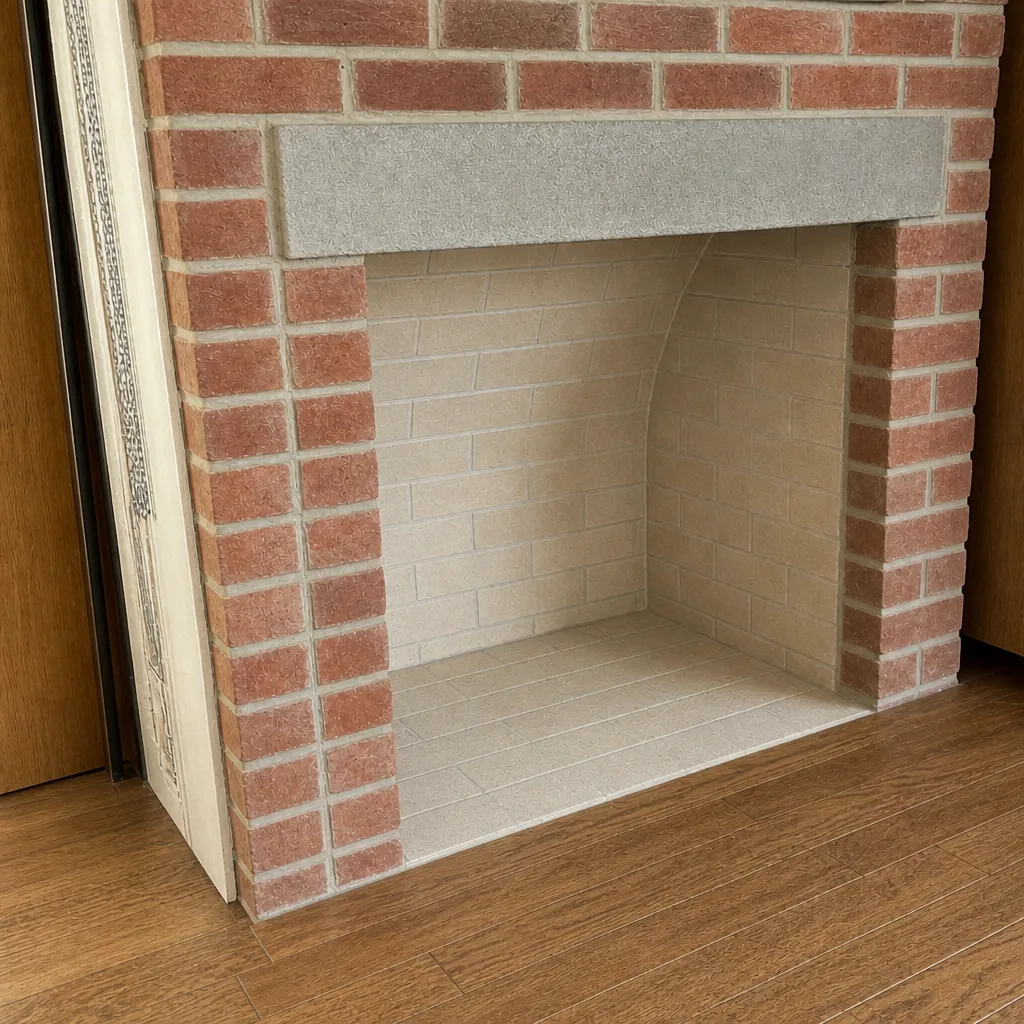
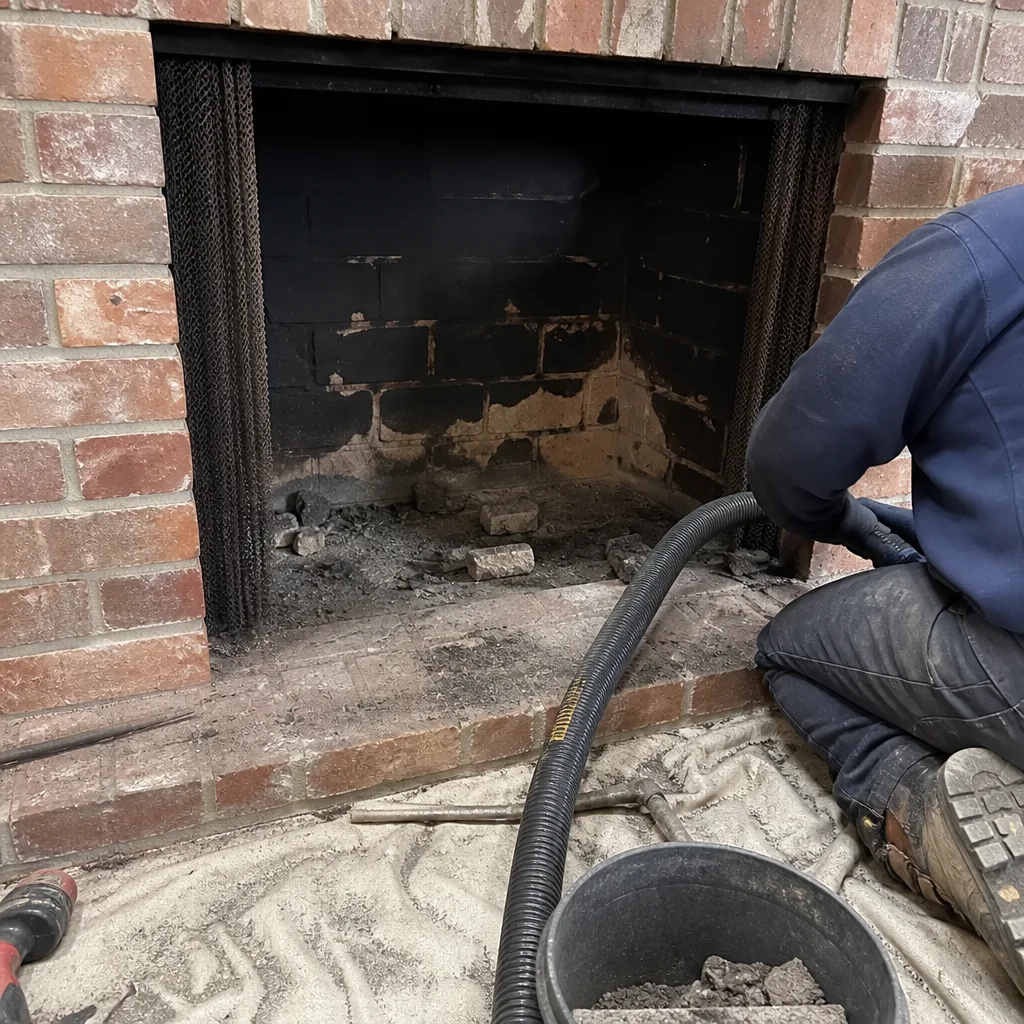
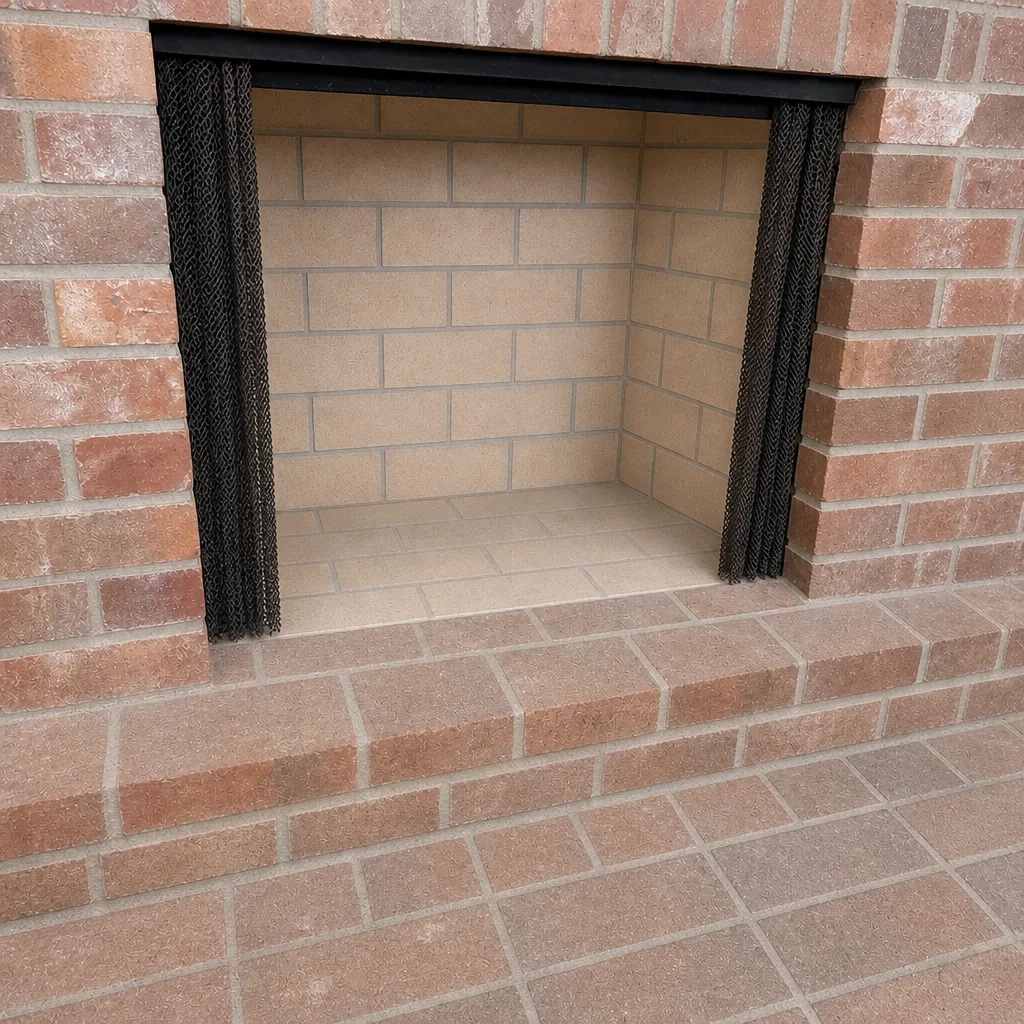
See the difference
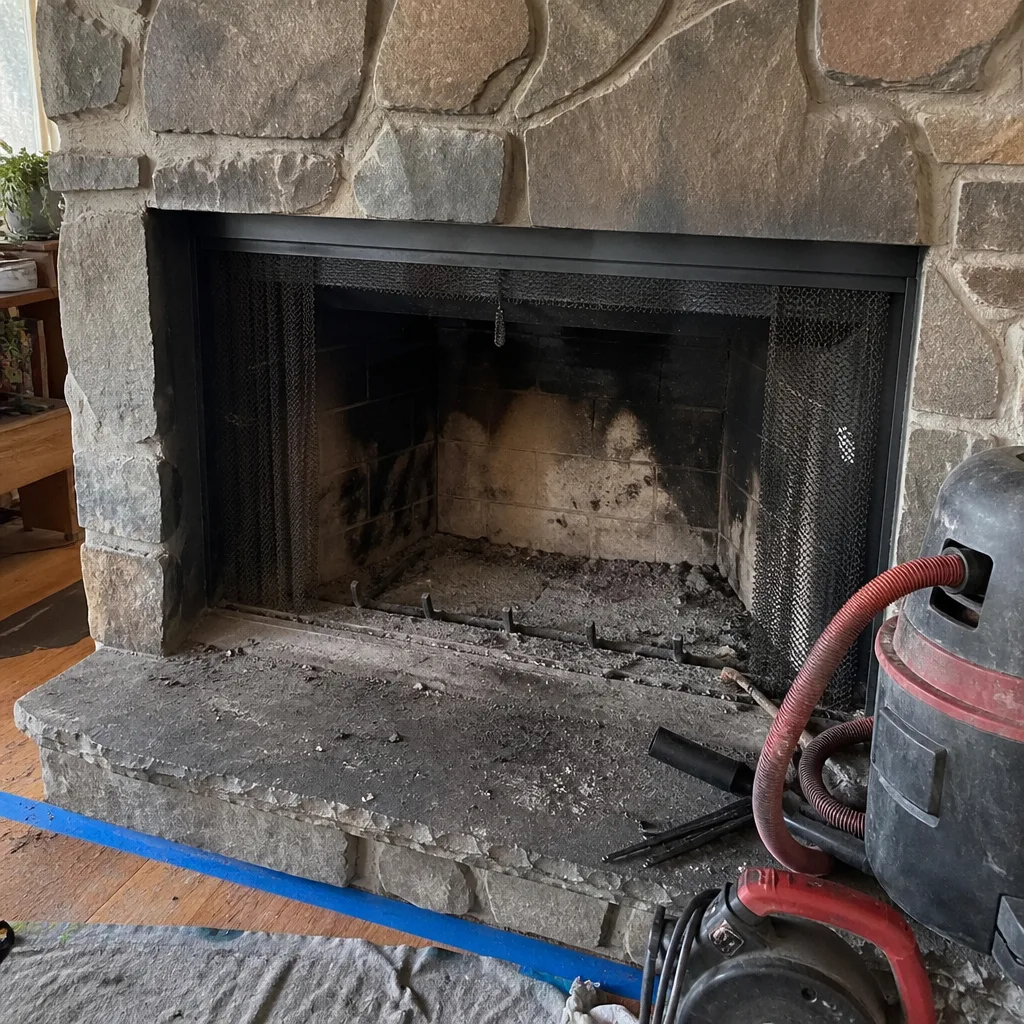 Before
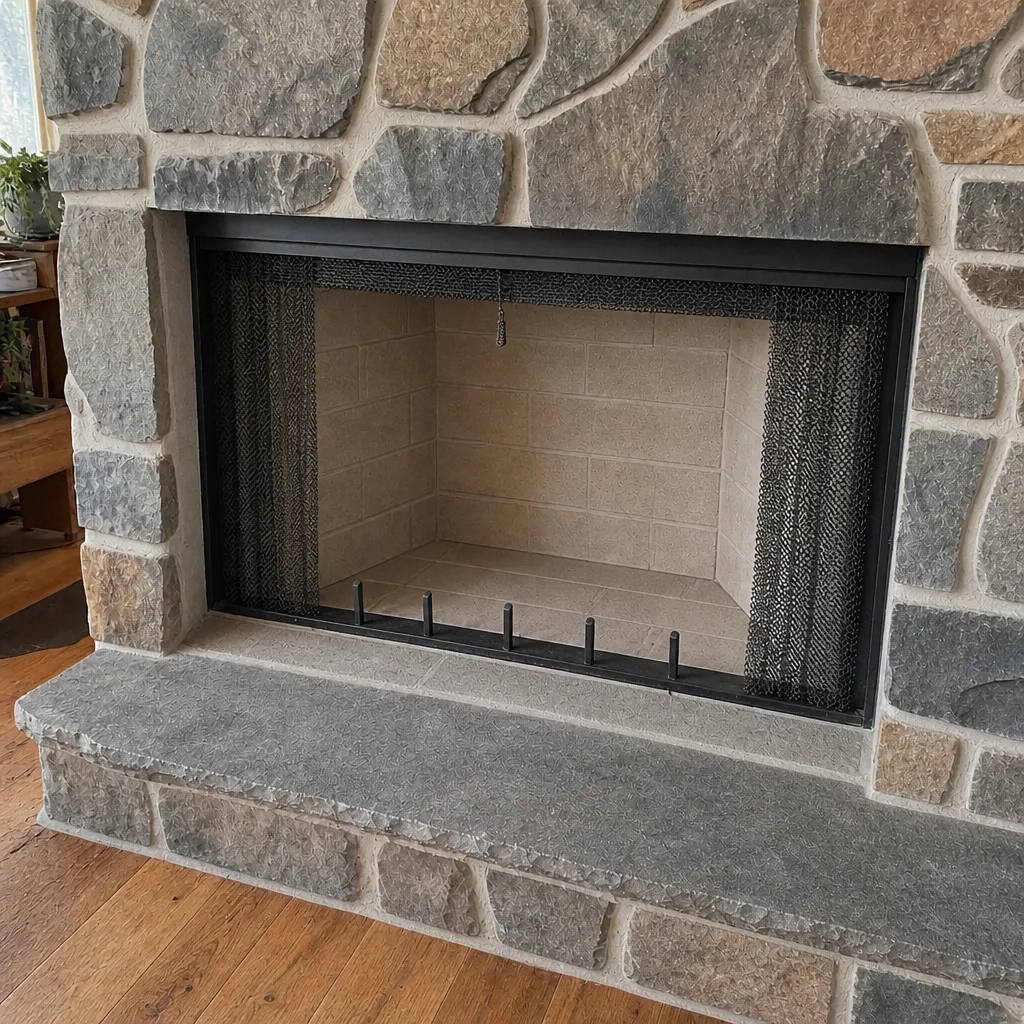 After
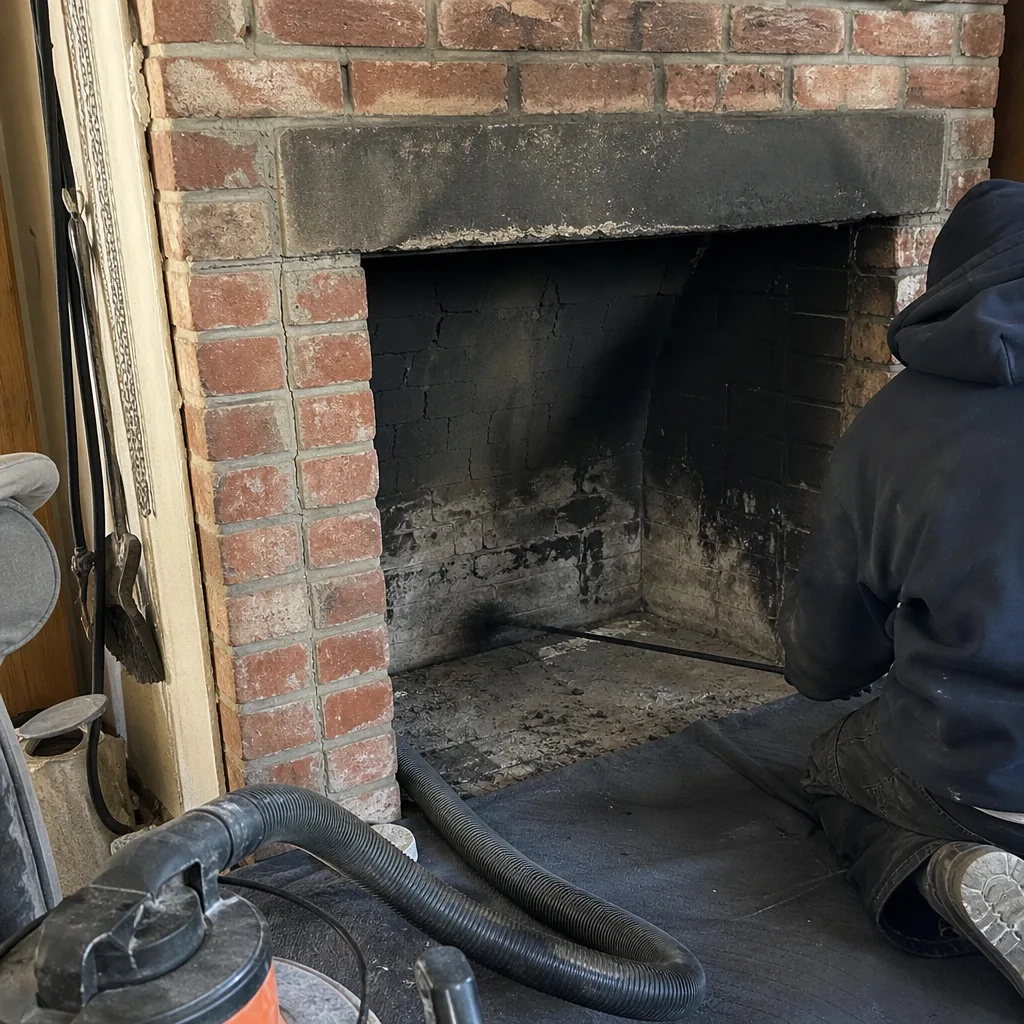 Before
 After
 Before
 After
Frequently Asked Questions
A standard sweep and inspection in Kent is a per-job price set by a written estimate, and the final number depends on the flue type, accessibility, and whether the firebox and smoke chamber need cleaning. The estimate is free, so the quote you get in writing is the price that applies. Call (877) 699-0126 for an exact quote – estimates are free.
Yes for a wood-burning fireplace in regular use, because creosote accumulates every season and the annual visit is also the inspection that catches liner, crown, and cap problems before they become repairs. Annual service is the baseline, and a chimney that’s used heavily or burned with green or unseasoned wood may need more frequent attention. Call (877) 699-0126 to book a sweep and get an honest read on the flue.
Creosote builds up in the flue, and at certain levels it can ignite, which is how chimney fires start; the same visit that removes creosote also checks the liner and crown that contain heat and keep water out. Skipping the sweep means skipping the inspection too, so problems go unnoticed until they show up as smoke, odor, or water inside the house. Call (877) 699-0126 for a free estimate on a sweep and inspection.
Only if the inspection shows the existing liner is cracked, deteriorated, or the wrong type for your appliance, and a legitimate contractor will show you photos of the condition that justifies the recommendation. A full reline is a real repair, not a sales add-on, and companies that carry DuraFlex liner systems can do the job; a cleaning-only company will refer it out. Call (877) 699-0126 to have the liner looked at and documented.
A basic inspection covers the firebox, damper, smoke chamber, flue interior, crown, cap, and accessible exterior masonry, with photos of what’s found. The level of inspection should match your situation: a routine annual visit, a real-estate transaction, or a known problem each call for a different depth of look, so ask the company to explain what their inspection includes before they arrive. Call (877) 699-0126 and we’ll walk you through which inspection fits your chimney.
Ask what repair products they carry and who does the repair work; a full-system contractor names specific professional-grade materials and says the repairs happen in-house, while a cleaner refers the work out. In Kent, the seasonal door-knocker crews are the ones to check most carefully, because they may not have repair capability at all. When you’re ready, call (877) 699-0126 and ask us the same questions.
Both are necessary if you want to stop the leading cause of chimney deterioration, which is water, because the cap keeps rain and animals out of the flue and the crown sheds water off the top of the chimney structure. A cracked crown lets water run down into the masonry, and that damage is far more expensive than the cap and crown work that prevents it. Call (877) 699-0126 for a free estimate on cap and crown installation.
The Bottom Line
Hiring the right chimney contractor in Kent comes down to three questions: does the company inspect the full system, does it document what it finds, and does it repair what it diagnoses. Certification, insurance, and a written estimate are the filters, but the difference between a diagnostic specialist and a low-bid cleaner is whether the company can actually fix the chimney. Do the hiring before the storm, not after, and treat the annual sweep as the inspection it is. A clean flue is the start of the conversation, and a full-system contractor carries it through to the cap and crown. For a free estimate, book chimney sweep service with us. Call (877) 699-0126. We answer 24/7. Fast dispatch from 7am to 7pm, Sunday through Friday.
Written by the team at Kent Chimney Sweep Pros.