
Last updated November 25, 2026
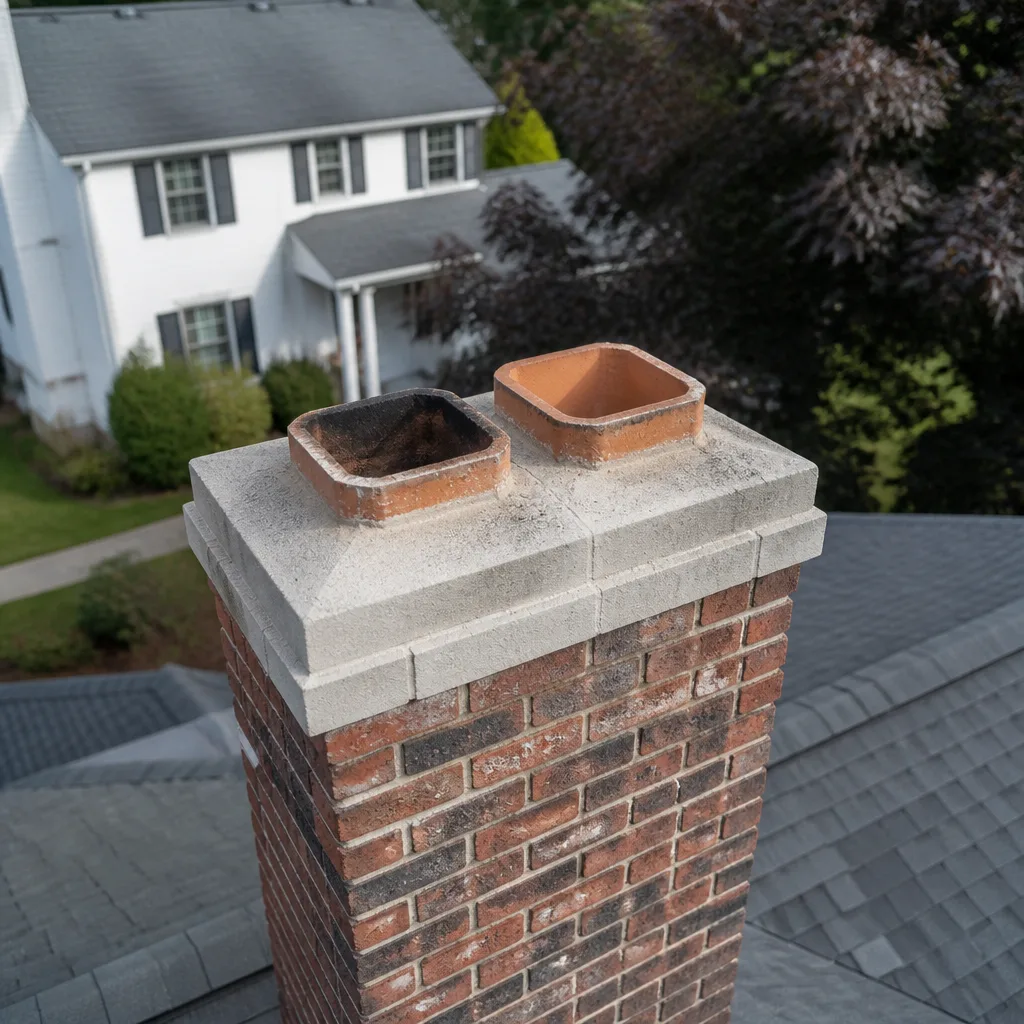 Sweep & inspection
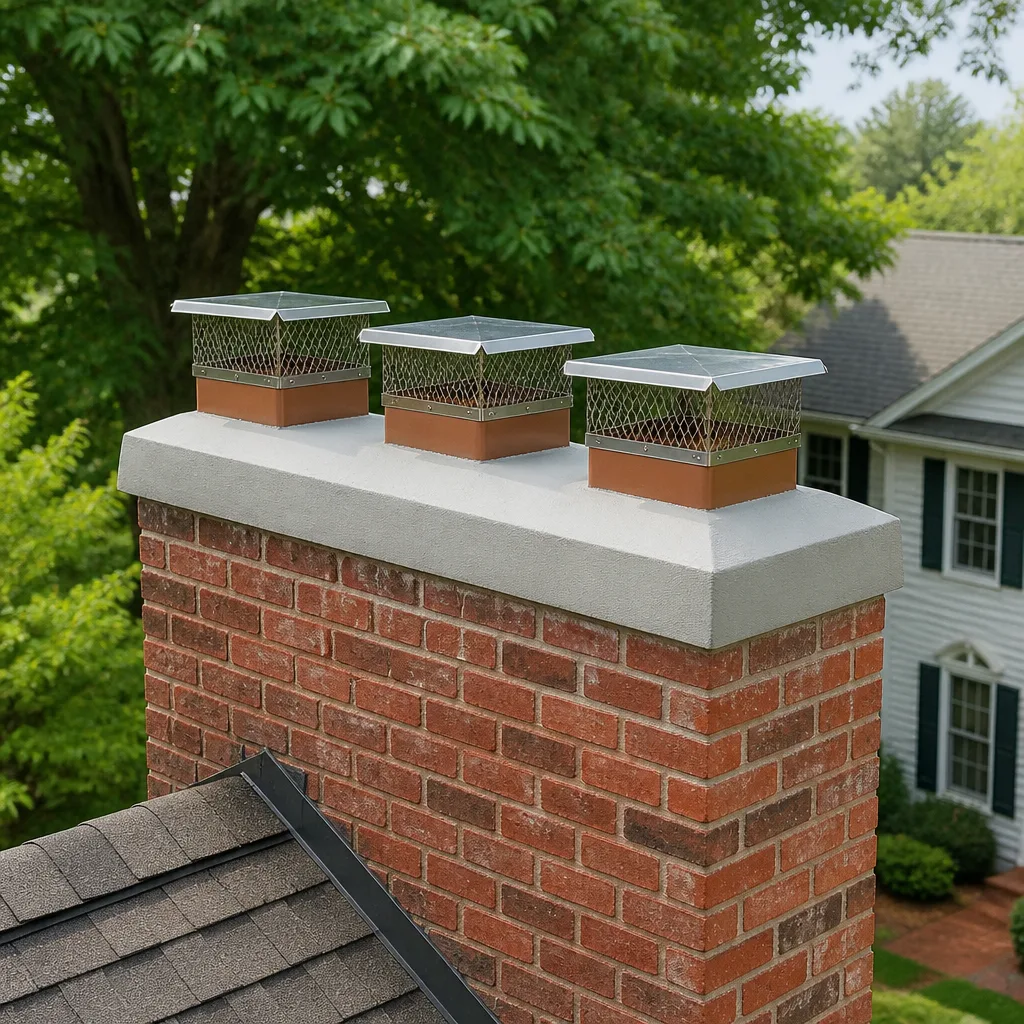 Caps & crowns
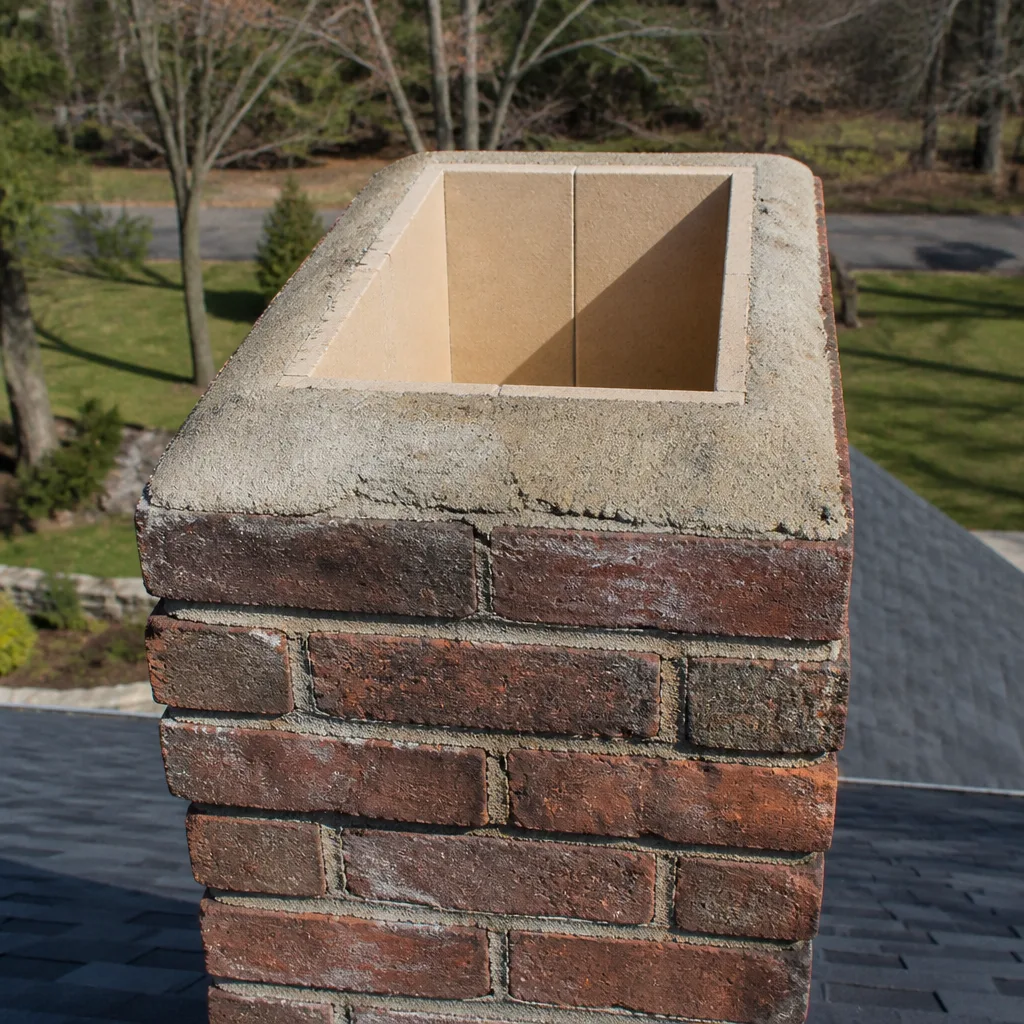 Flue relining
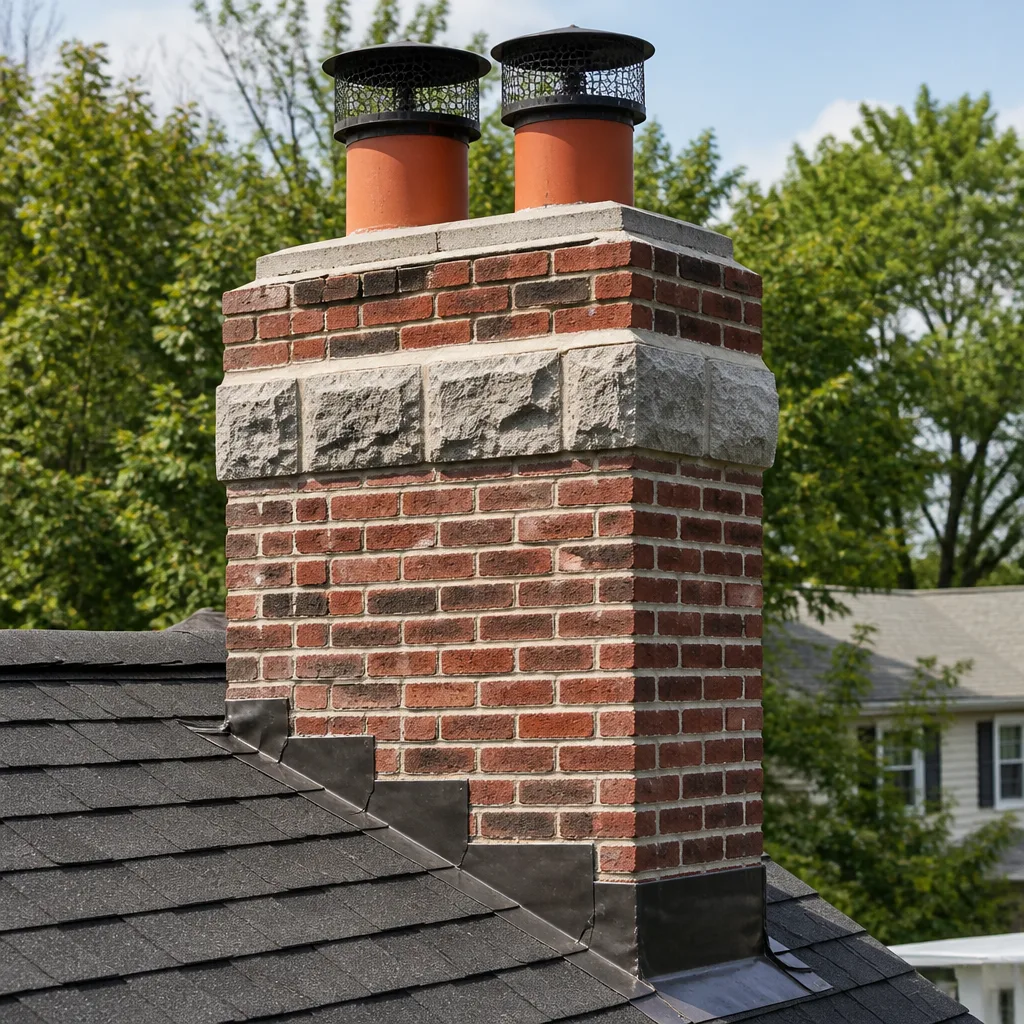 Masonry repair
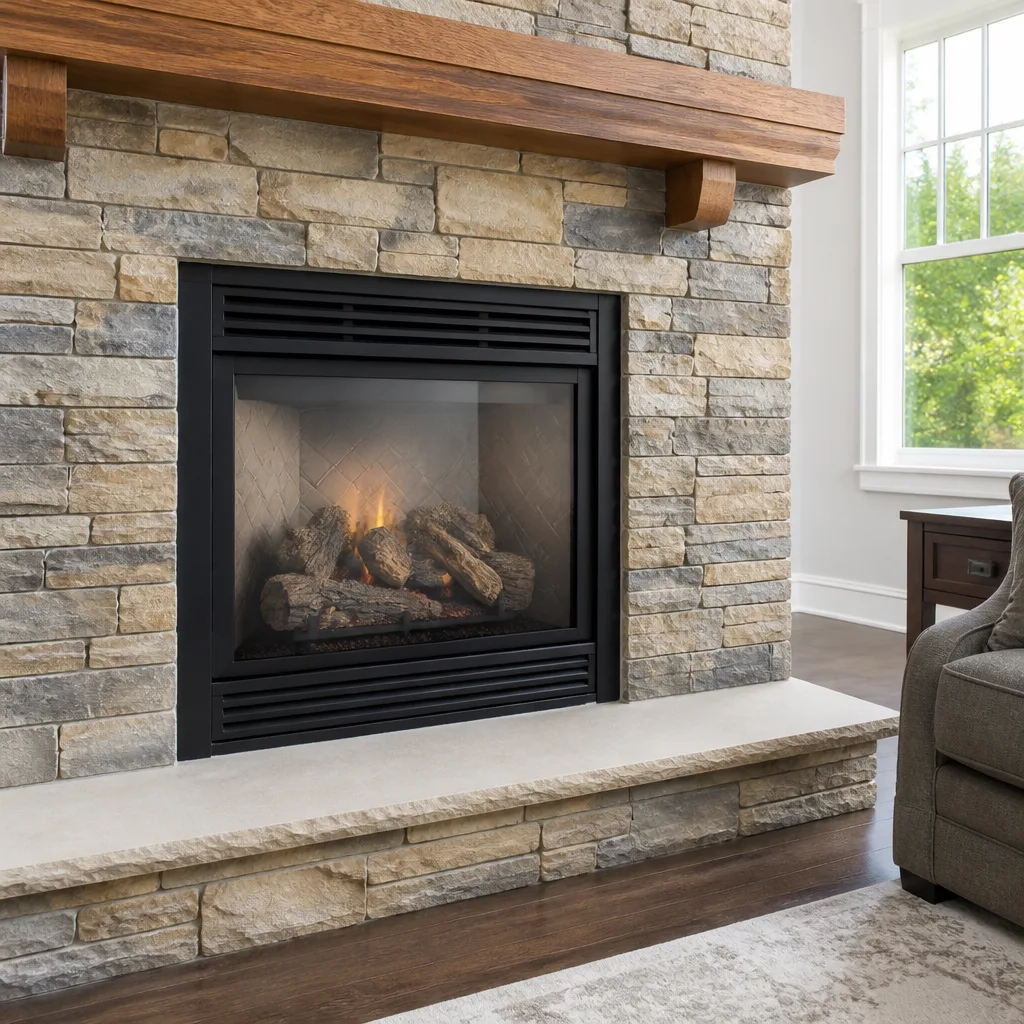 Gas fireplace service
Level 1 sweep and inspection to the NFPA 211 annual standard - flue, crown, cap, and flashing checked and photographed
Chimney sweep logs do not sweep chimneys. They loosen some creosote - which then falls where a brush and vacuum still have to collect it.
Chimney Cleaning Emergency Preparedness Guide for Kent Homes
A chimney fire is often survivable with no structural damage if you respond correctly in the first 90 seconds. That’s the part almost nobody tells homeowners, and it’s the reason so many people freeze when they hear the roar, smell the smoke, or watch black flakes drift down into the firebox. The first response matters more than the fire itself. We’ve spent years working on chimney systems across Kent, and the pattern is always the same: the homes that come through a chimney emergency intact belong to people who thought about it before it happened. This guide walks you through the fire itself, the hidden fire that burns and goes out without anyone noticing, the carbon monoxide risks that look like a draft problem, the wind storms that roll through the Green River Valley every fall and winter, and the pre-season prep that makes all of it less scary.
Quick Answer
The core answer to “what do I do about a chimney fire in Kent, WA” comes in two parts. First, treat a chimney fire like a house fire the moment you suspect one: get everyone out, call 911, and don’t try to fight it with water from the roof or by starving the fire without guidance. Second, prepare for it in advance with an annual sweep and inspection, a documented chimney condition, and working carbon monoxide alarms on every level. Chimney emergencies in Kent follow predictable patterns tied to the wet fall and winter burning season, and most damage is avoidable when the flue is clean and the system has been checked.
Styles & brands we work with
- Sweep & inspection
- Caps & crowns
- Flue relining
- Masonry repair
- Gas fireplace service
Table of Contents
- What to Do When a Chimney Fire Is in Progress
- How to Tell If You’ve Already Had a Chimney Fire
- Carbon Monoxide Risks in Kent Chimney Systems
- Storm Damage After Pacific Northwest Wind Events
- Pre-Season Emergency Prep for Kent Homes
- When to Call a Professional
- Common Mistakes to Avoid
- Frequently Asked Questions
What to Do When a Chimney Fire Is in Progress
A chimney fire is a fire inside the flue, usually fed by creosote that has built up on the liner walls. It can sound like a low roar, a rumbling like a freight train, or loud popping and cracking. You may see thick black smoke from the top of the chimney or flames that look almost like a blowtorch shooting from it. You may also see nothing at all from outside while the fire burns inside the flue. The 90-second response is what separates a scary evening from a structural repair.
Here’s the sequence we want every Kent homeowner to know:
- Get everyone out of the house. Including pets. Close doors behind you to limit smoke spread.
- Call 911. This is non-negotiable. Even if the fire seems to have stopped, call. The fire department can use a thermal camera to check for heat trapped in walls, framing, and the attic near the chimney.
- Once everyone is out and 911 is called, if it can be done safely, close the fireplace doors or damper to reduce oxygen feeding the fire. Do not reach into a hot firebox or run through smoke to do this.
- Don’t spray water down the flue from the roof. A sudden temperature shock can crack clay tile liners, and the water hitting a hot firebox can produce a violent steam flash. Let the professionals handle it.
- Don’t starve the fire by smothering it and then go to bed. A fire that appears to be out can reignite hours later. Wait for the fire department to clear the home.
- Don’t close the damper until the fire department arrives. Fully closing the damper on an active fire can push smoke back into the living space.
After the fire department has cleared the house, the chimney needs an inspection before the next burn. Heat stress can damage clay tiles, warp metal liners, and crack the mortar crown. We’ve seen chimney fires in Kent that did nothing but scorch the flue, and we’ve seen others that warped a liner badly enough to require a full reline. You don’t know which one you’ve got without eyes on the flue. That inspection is the first step toward chimney repair if anything did go wrong.
How to Tell If You’ve Already Had a Chimney Fire
Many chimney fires go undetected. That’s not an exaggeration. A slow, hot burn of creosote can happen inside the flue for a while, damage the liner, and go out on its own while the homeowner sits in the next room watching television. The next time you burn, you’re using a system that already took damage you can’t see.
Signs that a chimney fire may have already occurred:
- Puffy, honeycombed, or spongy creosote in the firebox or at the top of the flue. That texture is creosote that was heated to the point of expanding, then cooled.
- Cracked or warped clay flue tiles, visible only with a camera inspection.
- Discolored or warped metal components, including a damper or a metal liner that looks like it curled inward.
- Heat-damaged roof shingles or discoloration on the chimney exterior, especially near the top.
- Cracked or spalling mortar joints around the chimney at the roofline.
- A strong, charred smell in the room where the fireplace sits, even when the chimney hasn’t been used in weeks.
- Smoke escaping into the room during subsequent burns when it didn’t before.
Here’s why it matters before the next use: a damaged liner is what stands between the fire and the wood framing of your house. In Kent, homes are packed into neighborhoods with older construction in some pockets and newer tight envelopes in others, and both are vulnerable in different ways. A home that had a silent chimney fire last winter and burns again without an inspection is burning on borrowed time. Camera inspection with a photo report is how we verify what’s actually going on. It’s also how we decide whether to recommend Kent Chimney Sweep Pros repoint and resurface the flue with a system like HeatShield, or whether a full reline with something like a DuraFlex liner is the correct scope.
Carbon Monoxide Risks in Kent Chimney Systems
Carbon monoxide is the emergency you can’t see, smell, or hear. It’s a byproduct of incomplete combustion, and any wood-burning or gas appliance that vents through a chimney can produce it. The thing to understand is the difference between a draft problem and a combustion appliance problem, because they look similar in the house but require different fixes.
A draft problem is when the chimney or flue isn’t pulling exhaust out of the home properly. Causes include:
- A blocked flue from a bird nest, debris, or a collapsed liner
- A flue that’s too cold to establish draft on the first burn of the season
- A home that’s too tightly sealed and starved for makeup air
- A negative pressure situation created by a kitchen exhaust hood, bathroom fan, or dryer vent pulling air from the house
- A chimney cap that’s been crushed or blocked by storm debris
A combustion appliance problem is when the appliance itself isn’t burning fuel cleanly. Causes include:
- A gas appliance with a dirty burner or blocked pilot assembly
- A wood stove or fireplace that’s being run damped down too far for too long, which produces more CO and more creosote at the same time
- A cracked heat exchanger on a furnace tied to the flue
- A blocked or disconnected flue connector behind the appliance
Both scenarios can put carbon monoxide into the living space. Both are reasons to have working CO alarms on every level of your Kent home and outside every sleeping area. If your alarm goes off, treat it as real: get out, call 911 from outside, and don’t re-enter until cleared. A chimney sweep with a camera and a draft gauge can establish which problem you actually have. In our experience, a home that smells like “stale smoke” every time a cold front comes through is usually nursing a draft problem, not a dead animal in the flue. A technician with an Olympia Chimney cap on the truck and a draft gauge in hand can settle the question in about the time it takes to check a couple of rooms.
Storm Damage After Pacific Northwest Wind Events
The Pacific Northwest wind season is real, and Kent sits in a bowl where wind comes down off the Cascades and can funnel through the Green River Valley in ways that surprise people. The wet, heavy storms of late fall and winter are hard on chimneys because they combine wind with soaked debris and repeated freeze-thaw cycles that work mortar joints loose over time. After a significant wind event, here’s what to check immediately and what can wait.
Check immediately:
- Whether the chimney cap is still attached and intact. A dislodged cap leaves the flue open to rain, birds, and debris, and it can dangle dangerously over a roof.
- Whether there’s debris piled on the roof near the chimney. Branches that collected against the chimney chase can trap moisture and hide damage.
- Whether the crown on top of the chimney shows visible cracks or missing pieces. A cracked crown is the entry point for water.
- Whether there’s water staining on the ceiling near the chimney, in the attic, or on the chimney chase inside.
- Whether the damper still opens and closes freely, and whether smoke backs up into the room on a test burn.
Can wait for a professional:
- Hairline cracks in the mortar joints at the roofline
- Mild efflorescence (the white powdery staining) on the brick, which is a sign of water absorption but not an emergency
- A slightly loose cap or crown that isn’t yet a safety hazard
- Masonry discoloration without visible structural movement
The reason the “check immediately” list matters is water. Water intrusion through a cracked crown or a missing cap is the leading cause of long-term chimney deterioration. A small crack you can see from the ground in October is a tuckpointing job. The same crack by February is sheetrock removal and a new crown. Cap and crown work is one of those jobs that’s easy to skip when you’re just booking a routine sweep, and it’s exactly what we install to keep water out in the first place. If the storm left visible damage, an inspection is worth scheduling even if the chimney still works. A damaged flue isn’t always obvious from the living room.
Pre-Season Emergency Prep for Kent Homes
The best time to prepare for a chimney emergency is before the burning season starts, which in Kent means before the first real cold snap in October or November. Here’s what we recommend every homeowner have on hand, documented, and ready.
What to keep on hand:
- A working carbon monoxide alarm on every level of the home and outside each sleeping area (test them the same week you book your sweep)
- A fire extinguisher rated for wood and creosote fires, stored near the fireplace but not so close that a firebox flare could take it out
- A metal ash bucket with a tight lid, and a place outside, well away from the house, where ash can cool for several days before disposal
- A flashlight in the room where the fireplace sits, so you’re not hunting for one if the power goes out mid-storm
- A current chimney inspection report you can put your hands on if the fire department or your insurer asks
What to document:
- The date and results of your most recent sweep and inspection, including the camera photo report
- Any repairs already completed (reline, crown, cap, tuckpointing) with the material used, like a HeatShield resurface or a Gelco crown coat
- Photos of the chimney exterior at the start of each season, so you have a visual baseline for storm damage comparison
How to establish a relationship with a sweep before you need one urgently:
Book a routine chimney sweep in late summer or early fall, before the schedule fills up with people who waited for the first cold snap. That booking is your introduction to the company, and it’s your inspection baseline. The report from that first sweep gives you something specific to compare against if a storm comes through in January. It also means the next time you have a problem, you’re calling a company that already has eyes on your system and knows the flue. Famco brushes, Olympia Chimney caps, and HeatShield resurfacing equipment aren’t things every sweep carries, and knowing who has them on hand before you need them is a real advantage.
When to Call a Professional
Call a chimney professional right away when you smell smoke in the house outside of a burn, when your CO alarm goes off, when you see visible damage to the chimney after a storm, or when you suspect a chimney fire has occurred. Call for a routine inspection if it’s been more than a year since your last sweep, if you’ve moved into a new Kent home and don’t know the chimney’s history, or if you’ve changed fuels or appliances without checking the flue. Call before the next burn if you notice smoke backing up, a slow draft, or visible creosote on the damper or firebox walls.
Kent Chimney Sweep Pros offers free estimates in Kent. Call (877) 699-0126. We answer 24/7, with fast dispatch from 7am to 7pm, Sunday through Friday. Our technicians have up to 9 years of experience, and every job starts with an inspection, a photo report, and a written estimate that sets the final price before any work begins.
Common Mistakes to Avoid
- Running the fire damped down low overnight to “make it last.” This is one of the fastest ways to build creosote, and creosote is what fuels a chimney fire. A steady, hot fire burns cleaner and leaves less behind.
- Skipping the annual sweep because “we didn’t burn much this year.” Even a dozen fires can leave enough residue to matter, and the inspection catches storm damage and liner issues that have nothing to do with burn volume.
- Assuming the smoke smell is normal. It isn’t. Smoke backing into the room is a draft problem, and a draft problem is a carbon monoxide risk. In Kent, where cold snaps come on fast, the first burn of the season is exactly when people notice this and dismiss it.
- Burning wet or unseasoned wood because it’s what was delivered. Wet wood produces more creosote and less heat. In a wet Pacific Northwest climate, wood needs real time to season, and it’s worth asking your supplier for the moisture content.
- Treating a storm-toppled cap as a cosmetic problem. An open flue is a rain funnel. Water coming down the flue destroys liners and mortar joints, and it takes a surprisingly short amount of time to do real damage.
- Lighting a fire after a suspected chimney fire without an inspection. The next burn is the one that finds the weakened liner. Get the camera inspection first.
- Letting a general handyman handle liner work. Liner repair and resurfacing aren’t general contracting tasks. A system like HeatShield or a DuraFlex reline has specific installation requirements, and the wrong material selection can make a chimney less safe than it was.
Frequently Asked Questions
Most homes should have the chimney swept and inspected once a year, ideally before the burning season starts in late summer or early fall. Homes that burn frequently, burn wet wood, or use the fireplace as a primary heat source may need more frequent service. Call (877) 699-0126 for a free estimate and we’ll help you figure out the right interval for your system.
Skipping a sweep lets creosote build up on the flue walls, and creosote is the fuel for a chimney fire. In the meantime, you also miss the inspection that would have caught a cracked crown, a dislodged cap, or a damaged liner before it became a repair. Call (877) 699-0126 to schedule a sweep and inspection before the season starts.
Yes. A slow creosote fire can burn inside the flue and go out on its own while the house is quiet, leaving no obvious signs beyond a strange smell or a damaged liner that only a camera inspection will find. That’s why post-fire inspection is so important. Call (877) 699-0126 for a camera inspection with a photo report.
Smoke backing into the living space is a draft problem, and it can be a sign of a blocked or damaged flue. It should be inspected before the next burn. Call (877) 699-0126 and we’ll diagnose the cause and walk you through what we find.
Not always. Some chimney fires damage only the surface of the flue, and a resurfacing system like HeatShield can restore the liner. Others warp or crack the flue badly enough that a full reline with a DuraFlex system is the correct fix. The camera inspection is what tells you which one you’re dealing with. Call (877) 699-0126 to schedule one.
Check the chimney cap, look for debris on the roof around the chimney, and look for water staining inside near the chimney chase. Those are the immediate concerns. Mortar cracks and mild spalling can wait for a scheduled inspection. Call (877) 699-0126 if you see visible damage and want a free estimate on the repair.
The Bottom Line
Chimney emergencies in Kent follow patterns, and the patterns are learnable. Respond to a chimney fire with the 90-second protocol: out, 911, close the doors if safe, and don’t spray water down the flue. Assume any suspicious smoke smell or CO alarm is real until proven otherwise. Inspect the cap, crown, and interior after wind storms. And book your pre-season sweep and inspection before the schedule fills. Our technicians have up to 9 years of experience, and every job starts with an honest inspection and a written estimate that sets the price before we start. Full chimney system care under one roof, from sweep to chimney repair to fireplace repair, is what we do. Whether your chimney needs a professional-grade cap and crown installation or a full reline with a DuraFlex system, we carry the parts and the training to handle it without handing you off to another contractor. Call Kent Chimney Sweep Pros at (877) 699-0126 for a free estimate. We answer 24/7, with fast dispatch from 7am to 7pm, Sunday through Friday.
Written by the team at Kent Chimney Sweep Pros.
See the difference
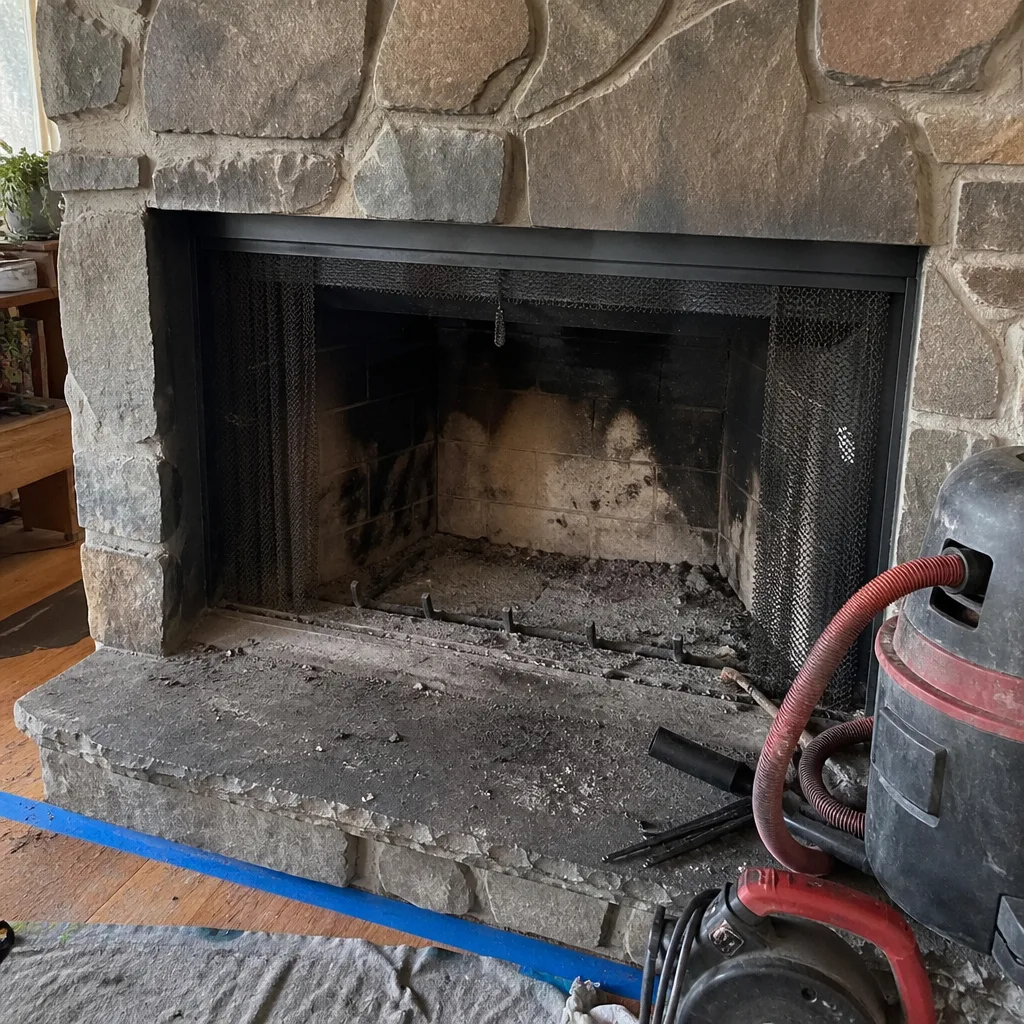 Before
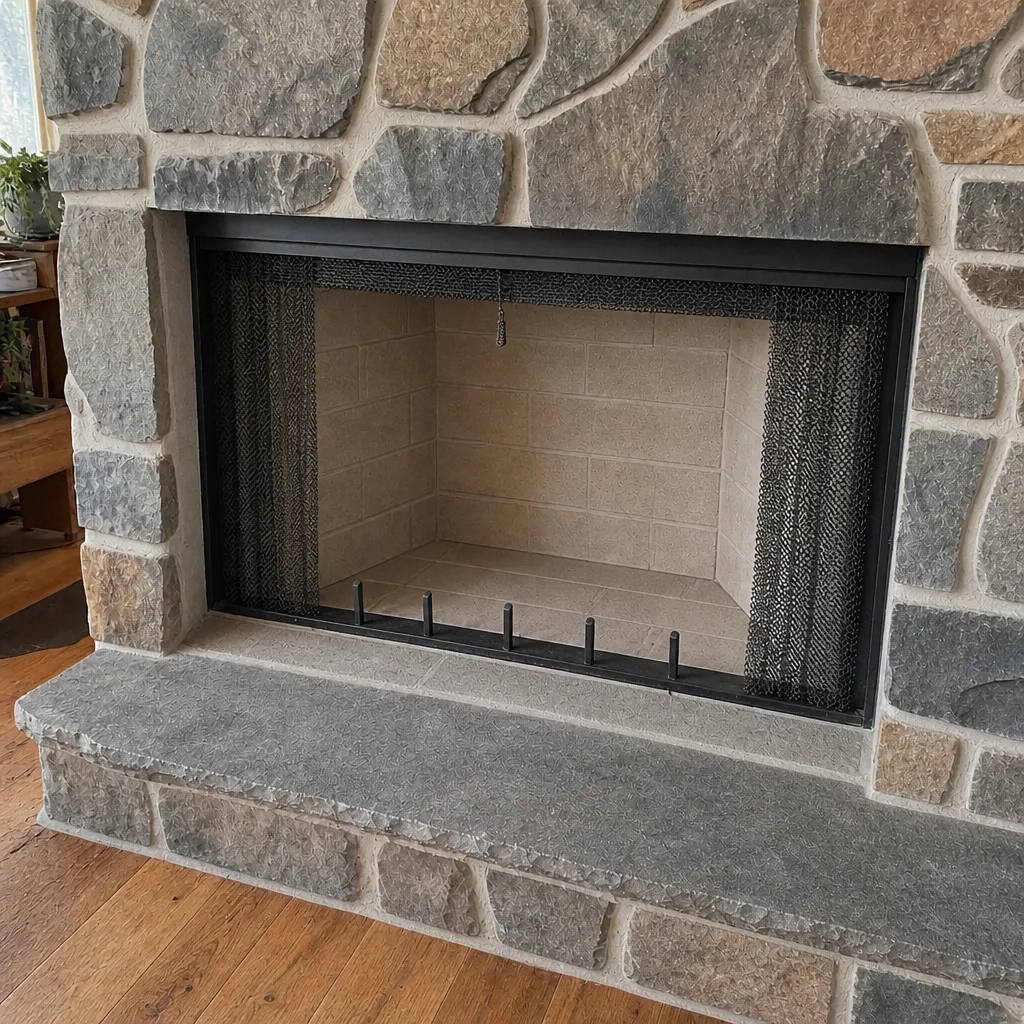 After
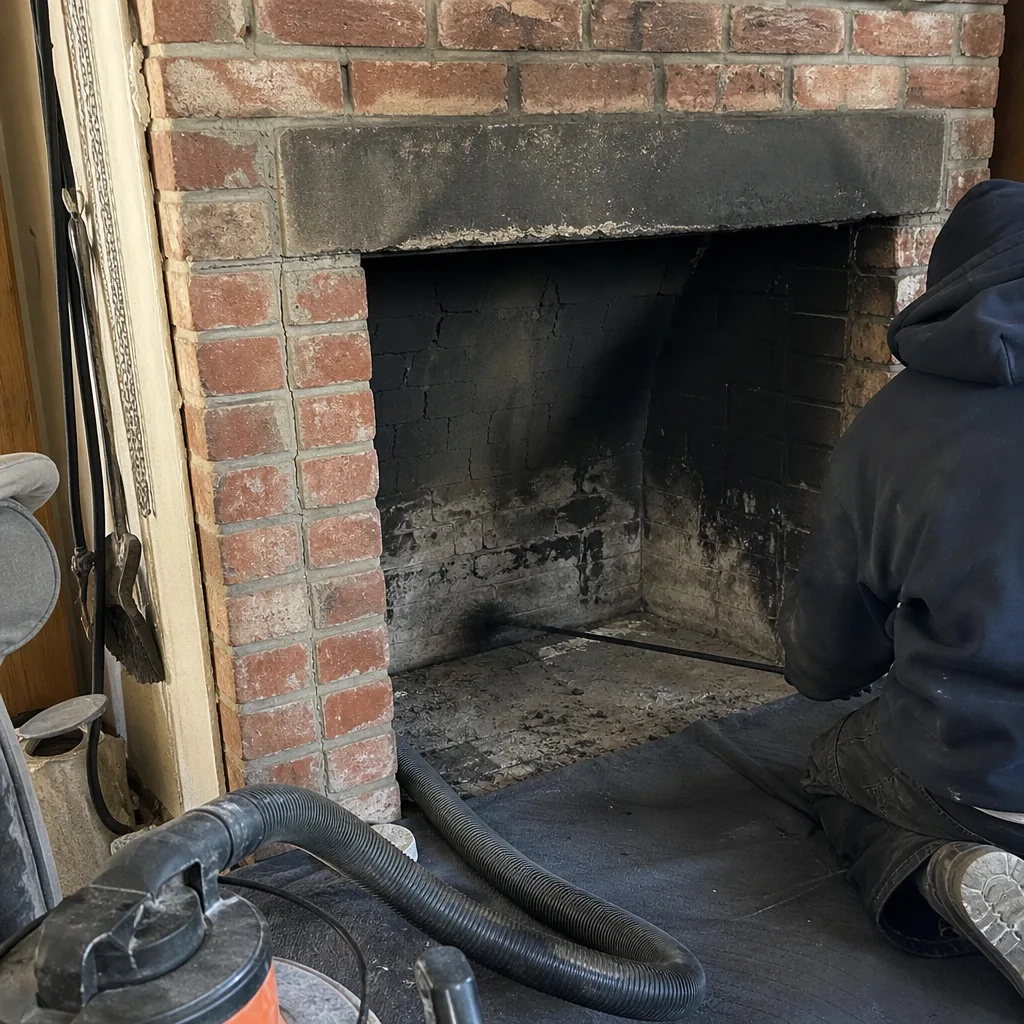 Before
 After
 Before
 After