
Last updated November 25, 2026
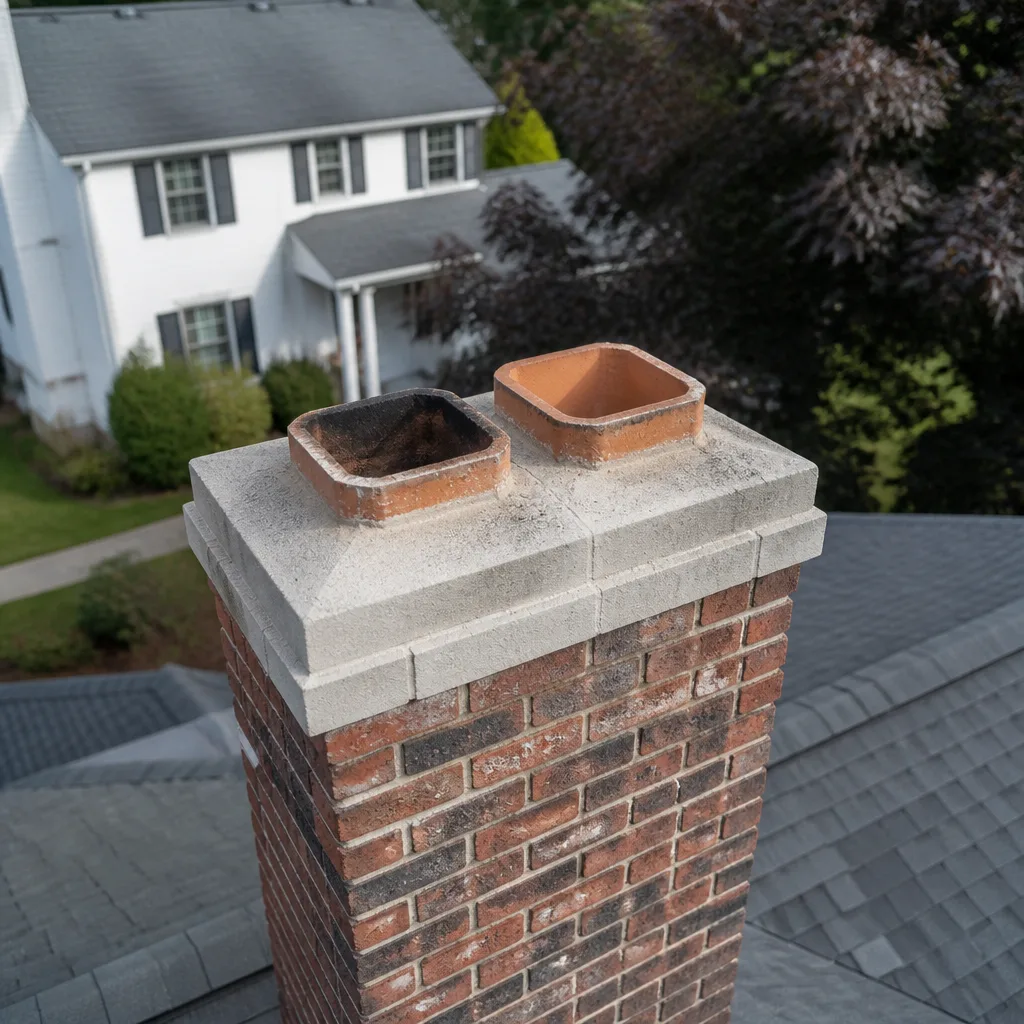 Sweep & inspection
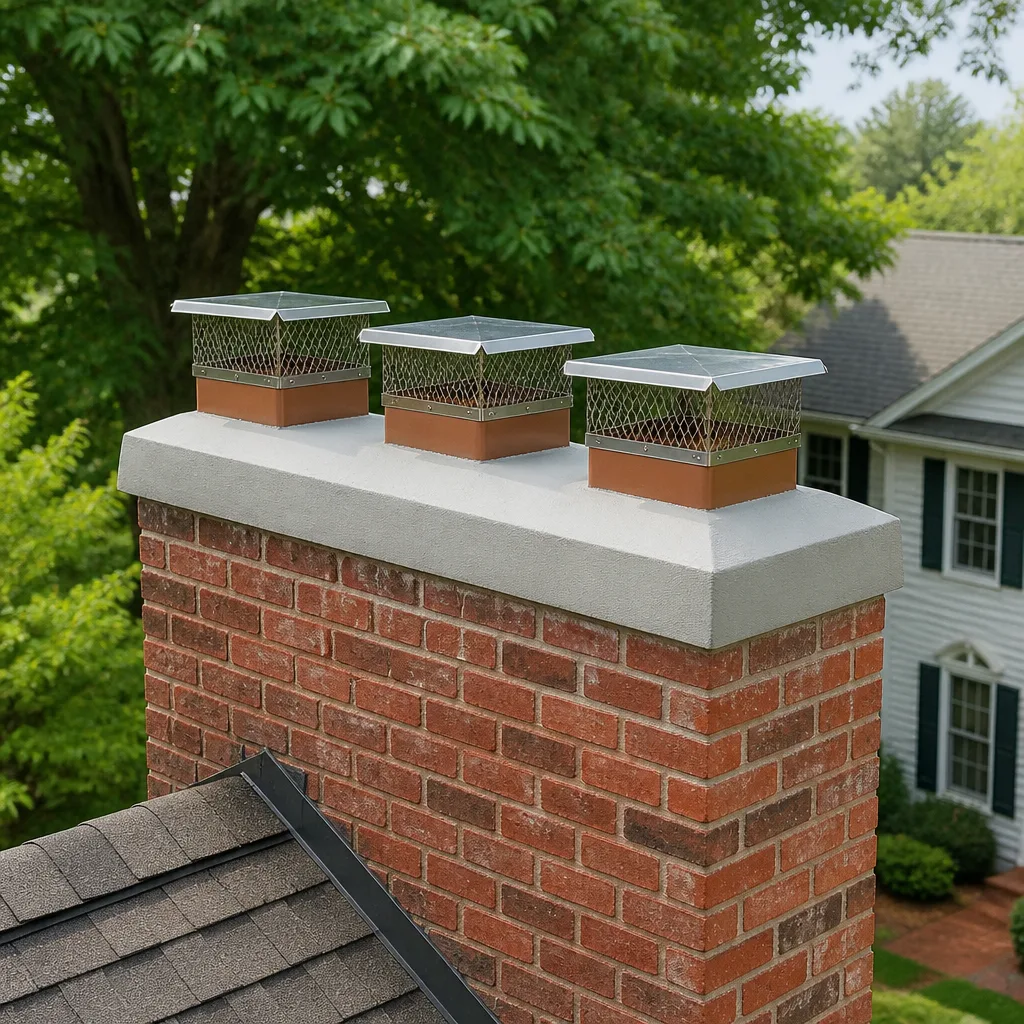 Caps & crowns
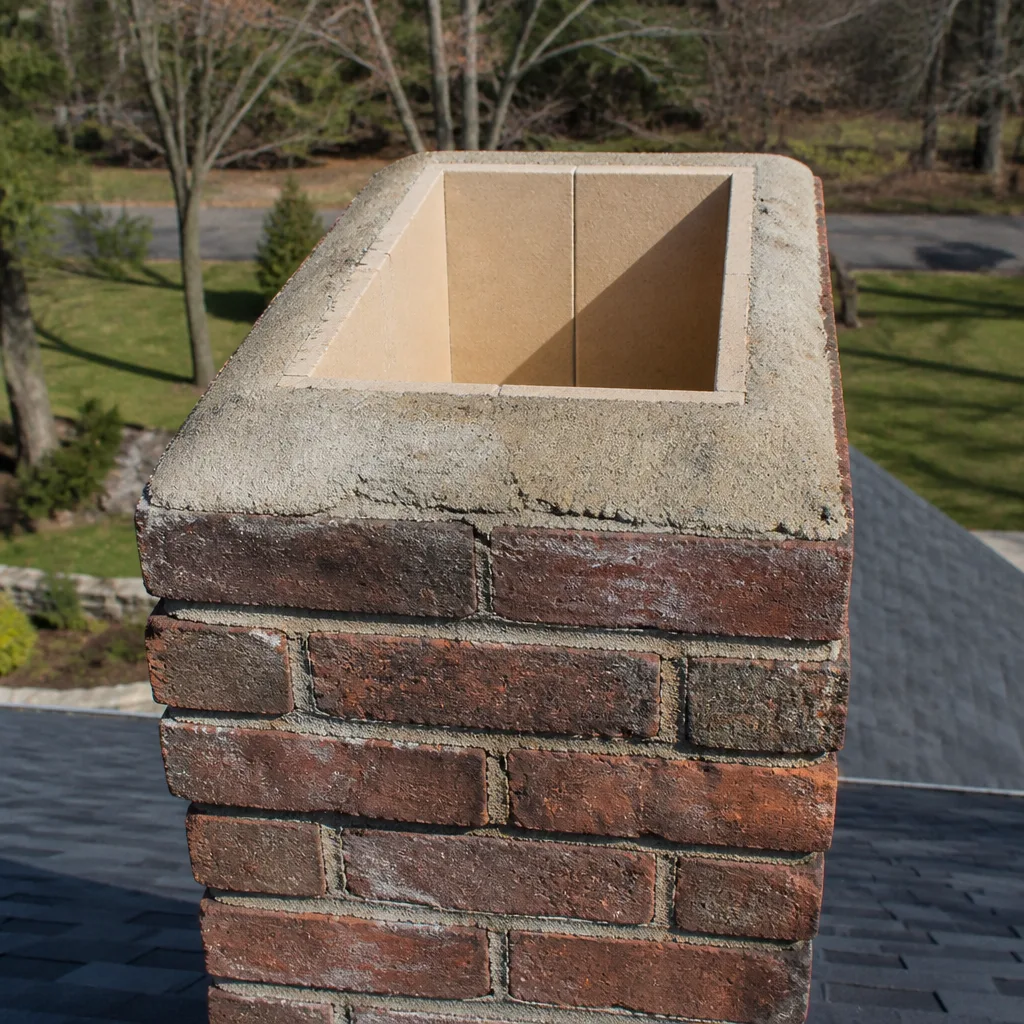 Flue relining
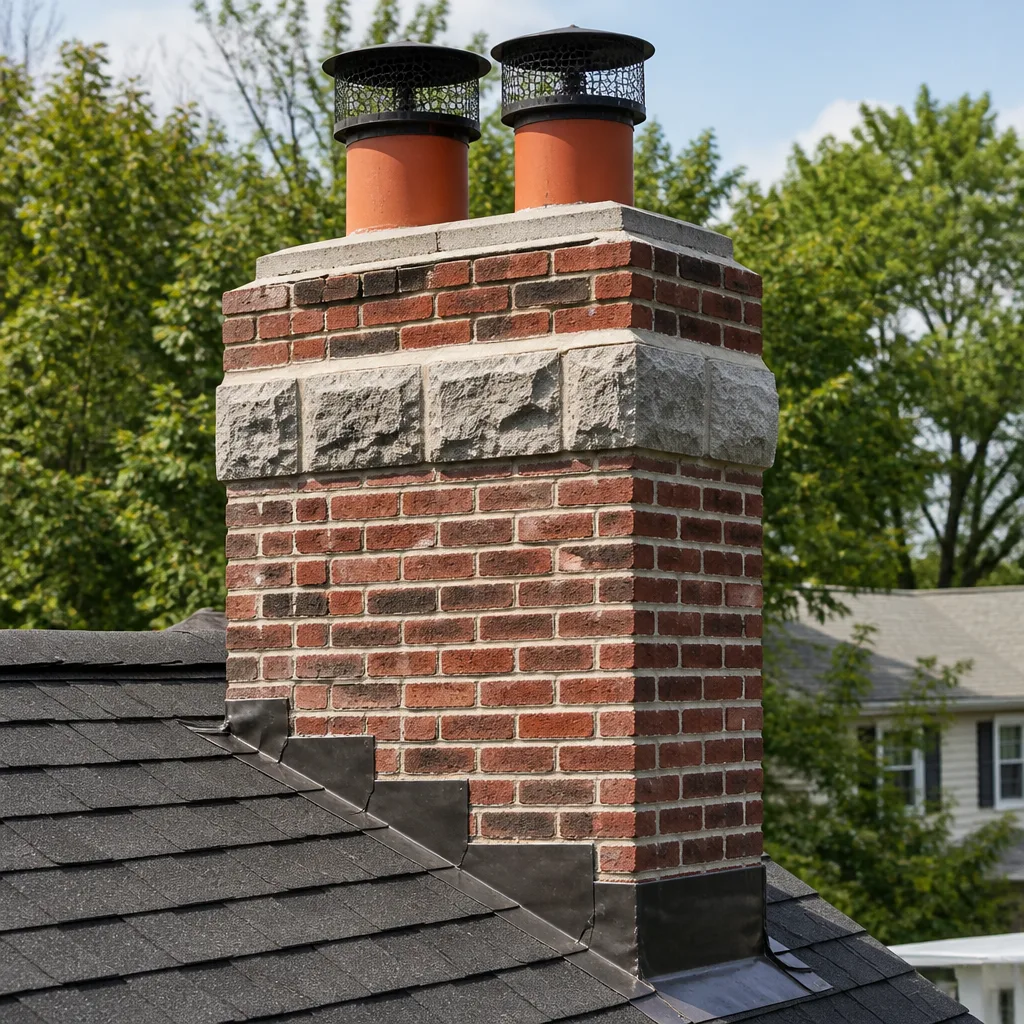 Masonry repair
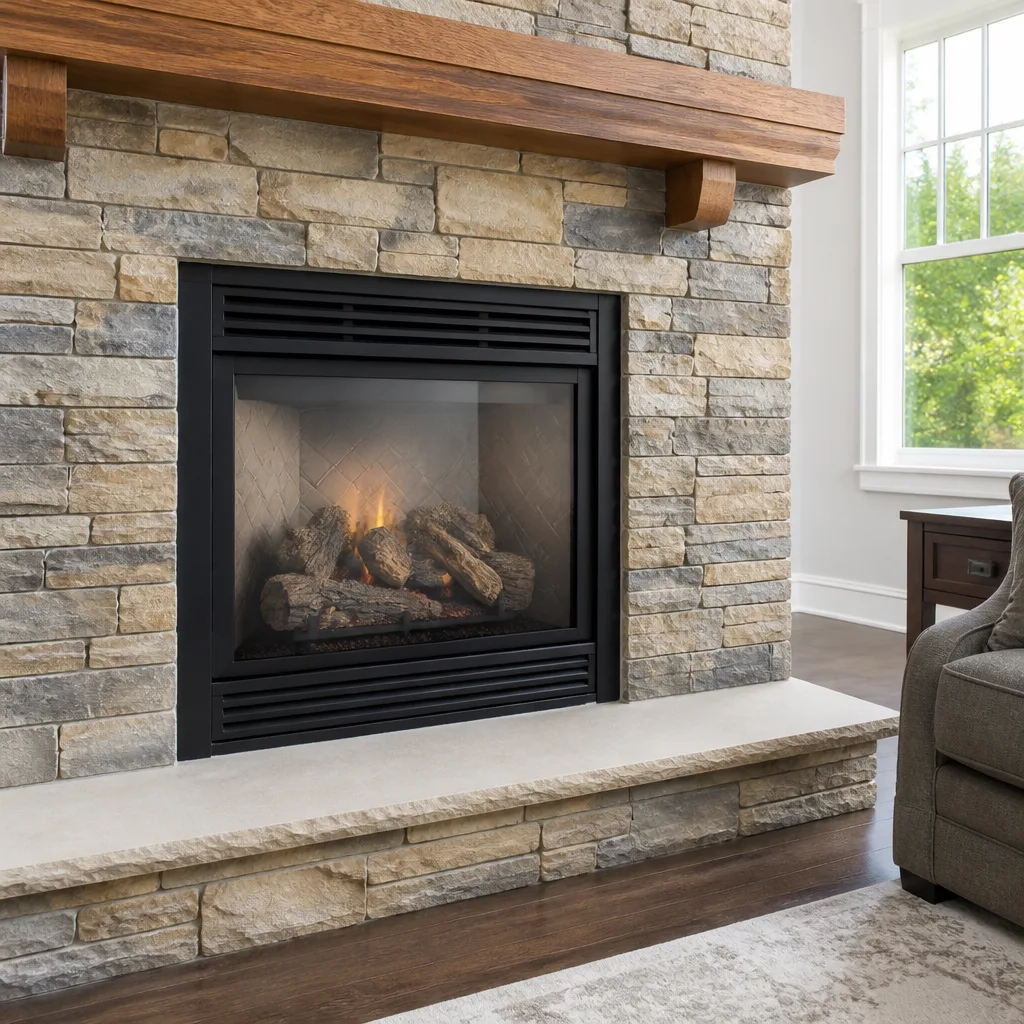 Gas fireplace service
Level 1 sweep and inspection to the NFPA 211 annual standard - flue, crown, cap, and flashing checked and photographed
Chimney sweep logs do not sweep chimneys. They loosen some creosote - which then falls where a brush and vacuum still have to collect it.
DIY vs Professional Chimney Cleaning: The Kent Homeowner’s Decision Guide
You can physically remove creosote from a flue with a kit you buy online. Nobody disputes that. The part homeowners consistently miss is what happens after the brush comes out: knowing whether the tile liner behind that creosote is cracked, whether the crown is letting water in, or whether the damper assembly is one season from failing. Those are the findings that determine whether your chimney is safe to burn, and no brush substitutes for them. This guide covers what a capable homeowner can realistically do, where DIY creates false confidence, and why Kent’s wet climate raises the stakes on the inspection side of the work.
Quick Answer
For light, routine creosote removal on a sound chimney, a careful homeowner with the right tools can do an acceptable job. But DIY cleaning skips the inspection, and in Kent’s wet climate the inspection is where the real risk lives: cracked liners, water-damaged crowns and hidden creosote glaze are things a brush cannot find. Professional cleaning is worth it because you’re paying for a diagnosis, not just a scrubbing.
Styles & brands we work with
- Sweep & inspection
- Caps & crowns
- Flue relining
- Masonry repair
- Gas fireplace service
Table of Contents
- What a Capable Homeowner Can Realistically Do
- What DIY Cleaning Cannot Tell You
- The Tools and Access Equipment That Separate a Pro Clean from a DIY One
- Why Kent’s Wet Climate Raises the Stakes on Inspection
- When DIY Is Reasonable vs When It Creates False Confidence
- What to Look for During a Professional Visit
- How the Costs Compare in Kent
- Common Mistakes to Avoid
- When to Call a Professional
- Frequently Asked Questions
What a Capable Homeowner Can Realistically Do
Commercially available chimney sweep kits have improved. A homeowner who reads the instructions, owns a sturdy ladder, and isn’t afraid of heights can do a credible job of removing soft, flaky creosote from a straight flue. That’s the realistic ceiling of DIY work, and it’s worth being honest about it.
What a capable homeowner can typically accomplish:
- Remove stage-one creosote (the fluffy, soot-like deposit) from an accessible flue using a poly brush sized to the flue
- Clean the firebox, smoke shelf and damper area from below with hand brushes
- Vacuum loose ash and soot with a shop vac fitted with a fine-particulate filter
- Clear an obvious bird nest or leaf blockage near the top of a straight flue
- Check the cap visually from the ground for obvious damage
What pushes beyond most DIY territory:
- Stage-three creosote is a hard, glazed, tar-like deposit that fuses to the flue wall. Brushing removes the surface and leaves the rest. It needs chemical treatment and mechanical action a homeowner can’t safely apply.
- Any flue with offsets, bends or a terra-cotta liner with damaged joints. A brush follows the flue; it doesn’t navigate around damage or inspect it.
- Roof access on a steep pitch, wet shingles or a chimney set back from the ridge. Falls are the real hazard, and they don’t happen because someone was careless; they happen because the roof was slick and there was nothing to grab.
- Gas appliance flues. A gas flue doesn’t produce creosote the way wood does, but it does produce corrosive condensation and needs a different inspection than a wood flue.
The honest summary: DIY is fine for keeping a known-sound chimney reasonable between professional visits. It is not a replacement for the professional visit itself, and in Kent the difference matters more than in dry climates. The full nature of that difference is what the rest of this guide covers.
What DIY Cleaning Cannot Tell You
Here’s the part most DIY guides skip: cleaning and inspecting are two different jobs, and the second one is the one that keeps your home safe. A brush removes deposits. It cannot look at the liner behind them.
When a professional sweeps, the brush is only half the visit. The rest is an inspection of the full chimney system, and the findings drive the recommendation. Here’s what a professional inspection actually looks at:
- Liner integrity. A cracked or spalled clay tile lets heat and embers reach framing lumber. You cannot see this with a flashlight from the firebox; you need a camera run down the flue.
- Creosote level and type. Stage-one versus stage-three changes the cleaning method entirely. A homeowner brushing a heavily glazed flue is polishing a hazard, not removing it.
- Crown condition. The crown is the concrete cap at the top of the chimney. Hairline cracks let water in, and in Kent water is the leading cause of chimney deterioration.
- Flashing and the roof-to-chimney joint. Failed flashing lets water run down the outside of the flue and into the house.
- Draft and venting. A flue that’s the wrong size for the appliance, or blocked by a nest, can push carbon monoxide back into the room.
- The firebox and damper. Cracks in the firebox brick and a damper that doesn’t seal are fire-safety issues, not cleaning issues.
A chimney sweep in Kent that does this properly uses a camera and a photo report. You see what the technician saw. If a sweep-only operation skips the camera and just runs a brush, you’ve paid for cleaning without the diagnosis, which is the part that actually protects the home.
Safety note: this is a broad-strokes explanation of what an inspection covers, not a DIY instruction. Climbing onto a roof and running a camera down a flue is work a trained professional handles. If you suspect a liner problem, a blockage or heavy creosote, don’t get on the roof to check it yourself.
The Tools and Access Equipment That Separate a Pro Clean from a DIY One
The gap between a homeowner’s kit and a professional setup isn’t marketing. It’s specific equipment that lets a trained technician see and reach places the DIY kit can’t.
What’s in a professional tool kit that a homeowner’s sweep kit doesn’t include:
- Inspection cameras. A flue camera runs the full length of the liner and records what it finds. This is the single biggest difference between a professional visit and a DIY clean.
- Rod sets sized to the flue. Pro rods are flexible, snap together, and come in diameters matched to the flue. A homeowner kit often has one universal rod, which is why flues with bends and offsets get missed.
- Rotary and chain cleaning heads. For glazed creosote, a spinning head backed by a heavy-duty vacuum removes deposits that a straight poly brush rides right over.
- HEPA vacuums rated for fines. Soot particles are tiny and get everywhere. A shop vac with a filter helps, but a sealed HEPA unit keeps the dust out of the room.
- Drop cloths and a sealed work zone. Covers the floor, seals the firebox opening, and keeps soot out of the living space.
- Access equipment. Roof ladders, harnesses and stable footing. The most underrated professional tool is not falling off the roof.
Beyond the cleaning gear, a full-service chimney company carries what it needs to fix what inspection finds. That means professional-grade product lines: HeatShield for resurfacing a damaged liner, and DuraFlex flexible liner systems for a full reline. A sweep-only operator cleans and leaves, and the homeowner books a second contractor for the fix. A company with those materials on hand can diagnose and repair on the same visit, which is where single-company accountability actually pays off.
The point is not that every homeowner needs all this hardware. The point is that the professional value lives in the inspection and the fix, and both of those need tools the DIY kit doesn’t have.
Why Kent’s Wet Climate Raises the Stakes on Inspection
Western Washington’s wet climate changes the math on chimney care. A chimney in a dry region can go a couple of seasons between inspections without serious risk, because the exterior masonry dries out and the crown isn’t under constant water attack. In Kent, the chimney is wet much of the year, and that changes what the inspection is looking for.
What the wet climate does to a chimney:
- Water intrusion at the crown. The concrete crown at the top takes the brunt of the rain. Cracks that would dry out and go unnoticed in a drier region let water into the masonry here, and that water freezes and expands in the cold snaps Kent gets most winters. That cycle widens the cracks and can push masonry apart.
- Flashing failure. The metal flashing at the roofline is where most leaks start. A failed joint lets water run down the outside of the flue, and you’ll often see it as a ceiling stain before you see the flashing problem.
- Liner degradation. Moisture in the flue speeds up the breakdown of clay tile. A homeowner can’t see this from the firebox, which is exactly why the camera inspection matters.
- Creosote and moisture together. Damp creosote is harder to remove and more likely to be at the glazed stage. The combination of wet weather and a busy wood-burning season is why the inspection can’t wait.
In Kent, a chimney cap and a sound crown are the first line of defense. A cap keeps rain and animals out of the flue. A crown that sheds water keeps the masonry dry. Those are preventive repairs most sweep-only services don’t include in a base visit, and in this climate they’re not optional add-ons. That’s the practical reason the inspection matters more here: it’s where you find the water damage before it becomes a rebuild.
Wet climate cuts both ways. It also makes the case that a homeowner working from a ladder on a slick roof in the rain is doing something genuinely risky. If the roof is wet and it’s roof-access season, the professional call is the safer one.
When DIY Is Reasonable vs When It Creates False Confidence
A blanket “never DIY” rule isn’t honest, and neither is “DIY is all you need.” The real answer is scenario-dependent, and knowing which scenario you’re in is the whole point of this guide.
Scenarios where DIY cleaning is a reasonable interim measure:
- You have a straight flue, a known-sound liner from a recent professional inspection, and light stage-one creosote from a modest burn season.
- You’re cleaning mid-season and will book the professional sweep before the next burn season.
- You’re clearing an obvious leaf or bird-nest blockage near the top of an accessible straight flue, from inside or from a safe, flat roof.
- You want to keep a sound chimney reasonable between annual visits and you can do the work safely from a stable position.
Scenarios where DIY creates false confidence:
- You’ve never had an inspection. A clean flue you can’t assess is not the same as a safe flue. If you don’t know the liner condition, you don’t know the risk.
- You’ve burned a lot of wood and the creosote looks shiny or tar-like. That’s glazed creosote, and brushing it doesn’t remove it. It’s the stage most associated with chimney fires.
- You smell smoke in the house, or the chimney drafts poorly. These are symptoms an inspection resolves, not a cleaning.
- You’ve had a chimney fire. A chimney fire can damage the liner without any outward sign. The chimney needs an inspection before the next fire.
- You’re on a steep or wet roof. Fall risk is the hazard, and no brush is worth it.
- You’ve added a gas appliance or a new insert. The venting needs to be checked against the appliance, and a brush doesn’t do that.
The through-line: DIY is reasonable when it supplements a known inspection. It creates false confidence when it substitutes for one. The problem isn’t the brush. It’s the missing diagnosis.
What to Look for During a Professional Visit
If the argument for professional service is the inspection, then knowing what a proper inspection looks like is how you make sure you’re getting it. Here’s what a thorough visit includes.
- An intake conversation about the appliance and the burn history. What you burn, how often, and whether the chimney has ever had a fire changes what the technician looks for.
- A visual check of the firebox, damper and smoke chamber. Cracks, gaps and a damper that doesn’t seal are fire-safety findings, not cleaning notes.
- A camera inspection of the flue. The camera runs the full length. You should be shown the findings, and you should get photos. This is the core of the visit.
- An exterior check of the crown, cap, flashing and masonry. In Kent, this is where water damage shows up first.
- Cleaning with the correct method for the creosote level. A glazed flue gets a different treatment than a flaky one.
- A written report and a photo record. Findings, recommendations, and what actually needs doing now versus what can wait.
The last point is the one homeowners should pay closest attention to. An inspection that doesn’t tell you what can safely wait isn’t a diagnosis; it’s a sales pitch. A good sweep will tell you when there’s nothing urgent to do.
When a repair is recommended, the difference between a sweep-only outfit and a full-system company matters. If the camera finds liner damage, the fix is HeatShield resurfacing or a DuraFlex reline. A sweep-only company sees the problem, cleans up and leaves you to find someone else. Our team carries the repair materials and the training to handle the fix, which means one call handles the diagnosis and the correction together. If you want to book an inspection, reach out through Kent Chimney Sweep Pros.
How the Costs Compare in Kent
The honest comparison is between what a DIY kit costs (a modest one-time purchase, plus your time and the risk) and what a professional visit buys. A professional visit buys the sweep plus a diagnostic inspection, and the inspection is the part that can prevent a much larger repair. A chimney cleaning in Kent is priced per job by a written estimate, so the figure depends on the flue, the creosote level and what the inspection finds. When a professional visit turns up liner damage, the repair is HeatShield resurfacing or a DuraFlex reline, each priced on its own estimate once the scope is known. Ask for the written estimate before any work starts and you’ll know exactly what you’re paying for. Call (877) 699-0126 for a free estimate.
Common Mistakes to Avoid
- Treating a clean flue as a safe flue. Removing creosote doesn’t address a cracked liner or a failing crown. If you skip the inspection, you’ve cleaned a surface you can’t assess.
- Buying the cheapest kit with a universal rod. Flues with bends and offsets need rods sized to the flue. A universal rod rides over the deposits it can’t reach, and you end up thinking the flue is clean when it isn’t.
- Cleaning from the roof in wet weather. Kent roofs are slick much of the year. Falling is the hazard no brush is worth, and the professional can clean from the ground or with proper access gear.
- Ignoring a glazed-looking creosote deposit. Shiny, tar-like creosote is the stage most associated with chimney fires. Brushing it doesn’t remove it; it needs a professional treatment.
- Cleaning a flue you’ve never had inspected. If you don’t know the liner condition, you don’t know whether the flue is safe to burn. Book the inspection first.
- Skipping the cap and crown. In Kent’s wet climate, water intrusion at the crown and cap is the leading cause of chimney deterioration. A cleaning that doesn’t address the top of the chimney is only half the job.
- Assuming a sweep-only visit means a full diagnosis. A brush-and-go visit isn’t an inspection. Ask whether the visit includes a camera and a photo report.
When to Call a Professional
Call a professional if any of these applies to you: you’ve never had an inspection; the creosote looks shiny or tar-like; you smell smoke in the house or the chimney drafts poorly; you’ve had a chimney fire; you’ve added a gas appliance or insert; you’re on a steep or wet roof; or you simply want to know the liner condition before the next burn season. Any of these is a signal that a brush isn’t going to give you the answer you need. If you’re unsure, call and ask – a quick conversation usually settles it. Kent Chimney Sweep Pros offers free estimates in Kent, and we can book an inspection and handle any repair the inspection turns up. Call (877) 699-0126. We answer 24/7, with fast dispatch from 7am to 7pm, Sunday through Friday.
Frequently Asked Questions
DIY chimney cleaning isn’t inherently dangerous; the danger is in the parts it skips. The real hazard is a liner problem or heavy creosote that a brush can’t find or remove, which gives you false confidence in an unsafe chimney. Cleaning a known-sound flue from a safe position is reasonable; cleaning one you’ve never had inspected is where homeowners get into trouble. Call (877) 699-0126 for an exact quote – estimates are free.
Most chimneys want a sweep and inspection once a year, and a chimney that sees heavy wood burning may need it more often. In Kent’s wet climate, the annual visit is also the best opportunity to catch crown and flashing water damage before it spreads. The right interval depends on how much you burn and what the inspection finds, so ask for an assessment rather than a fixed schedule. Call (877) 699-0126 for an exact quote – estimates are free.
Yes, and that’s the best way to use DIY cleaning. You can remove light stage-one creosote yourself between visits, and book the professional inspection on its own. The inspection is the part that matters for safety, and a professional sweep doesn’t need to do the cleaning to do the inspection. Call (877) 699-0126 for an exact quote – estimates are free.
Skipping the inspection means you never learn whether the liner is cracked, the crown is letting water in, or the creosote has reached the glazed stage. Creosote buildup and liner damage are what a chimney fire needs, and carbon monoxide from a blocked flue is a separate risk a cleaning alone won’t catch. You don’t have to act on every finding – a professional inspection tells you what can safely wait. Call (877) 699-0126 for an exact quote – estimates are free.
Not always, and a professional inspection is how you know. A cracked or spalled liner may need resurfacing with HeatShield or a full reline with a DuraFlex system, but a sound liner doesn’t. The answer depends on what the camera finds, and you should see the evidence before any repair is recommended. Call (877) 699-0126 for an exact quote – estimates are free.
Western Washington’s wet weather is the leading cause of chimney deterioration here, because water gets into the crown and the flashing and works its way into the masonry. That’s why the exterior inspection matters as much as the flue cleaning in Kent, and why a chimney cap and a sound crown are worth attention. A sweep-only visit that skips the top of the chimney misses half the problem. Call (877) 699-0126 for an exact quote – estimates are free.
The Bottom Line
DIY chimney cleaning isn’t dangerous or ineffective on its own; it’s just incomplete. The problem is that it skips the inspection, and in Kent’s wet climate the inspection is where the real risk lives: cracked liners, water-damaged crowns and glazed creosote that a brush can’t find. Use DIY as an interim measure on a known-sound chimney. Book a professional inspection before every burn season, and use it to learn what’s safe to wait for. A free estimate is one call away, and if the inspection turns up liner or crown damage, we handle the full chimney system repair, not just the sweep. Call (877) 699-0126. We answer 24/7, with fast dispatch from 7am to 7pm, Sunday through Friday.
Written by the team at Kent Chimney Sweep Pros.
See the difference
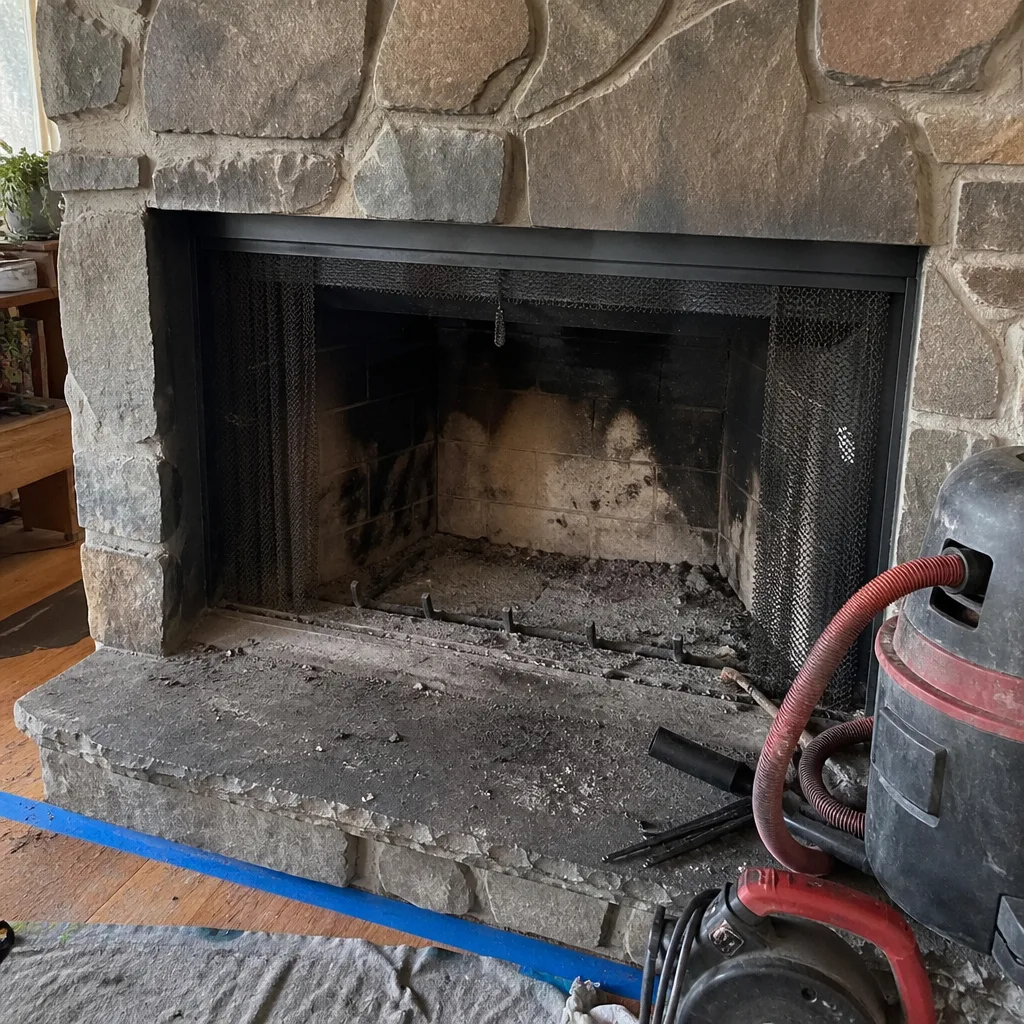 Before
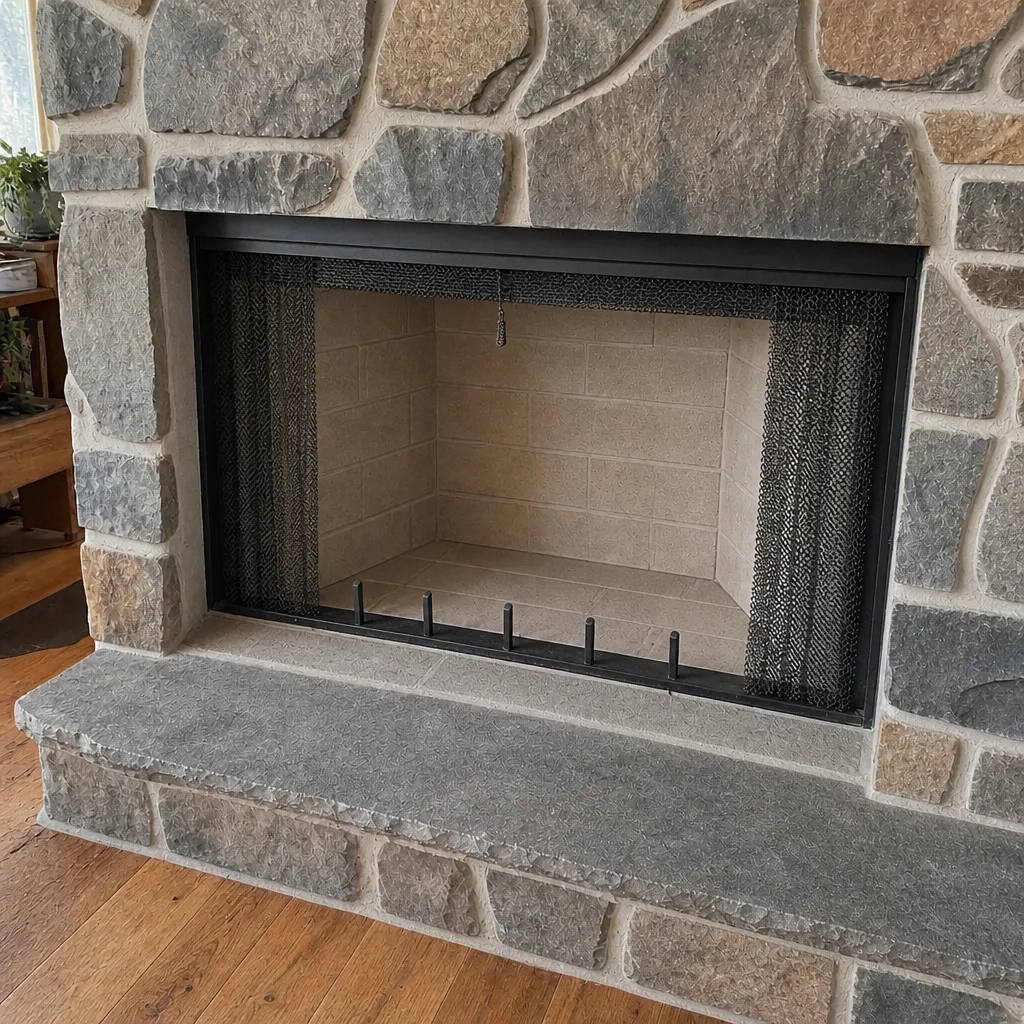 After
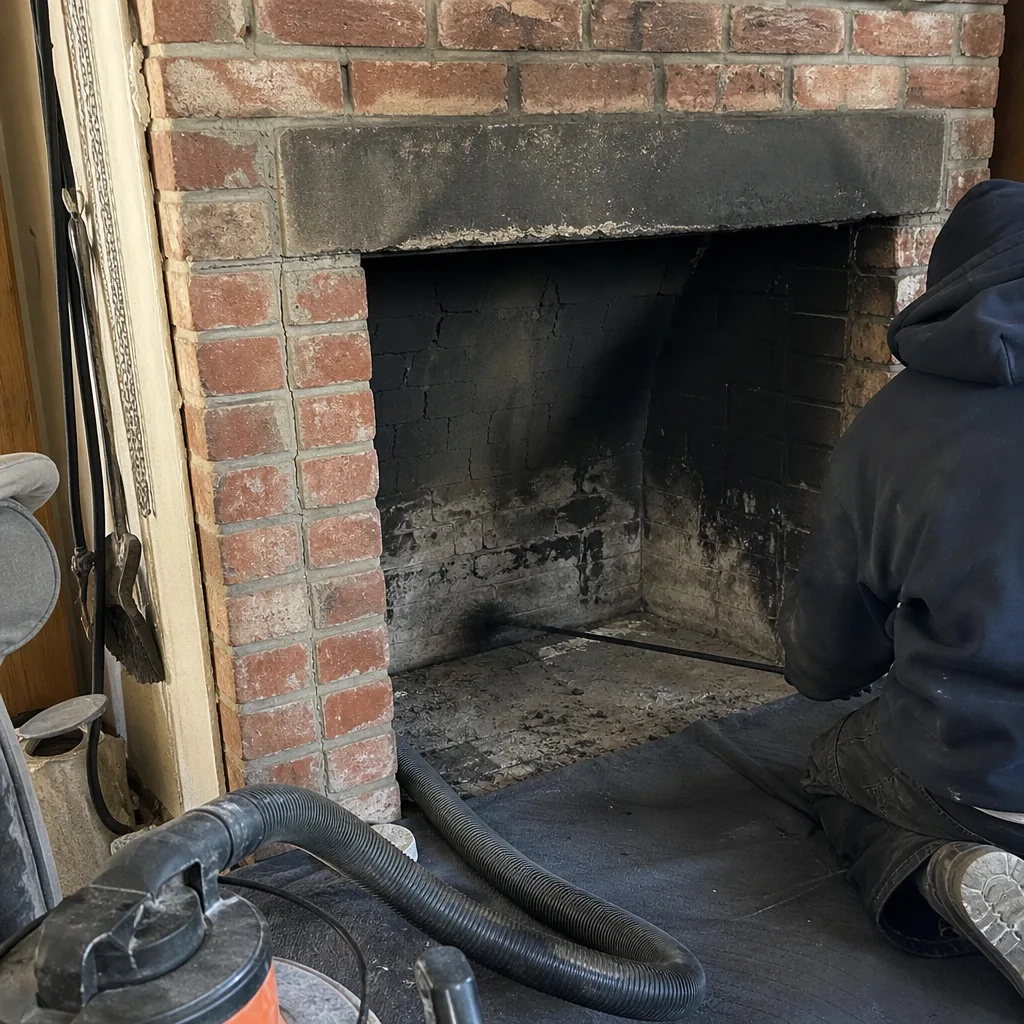 Before
 After
 Before
 After