
Last updated November 25, 2026
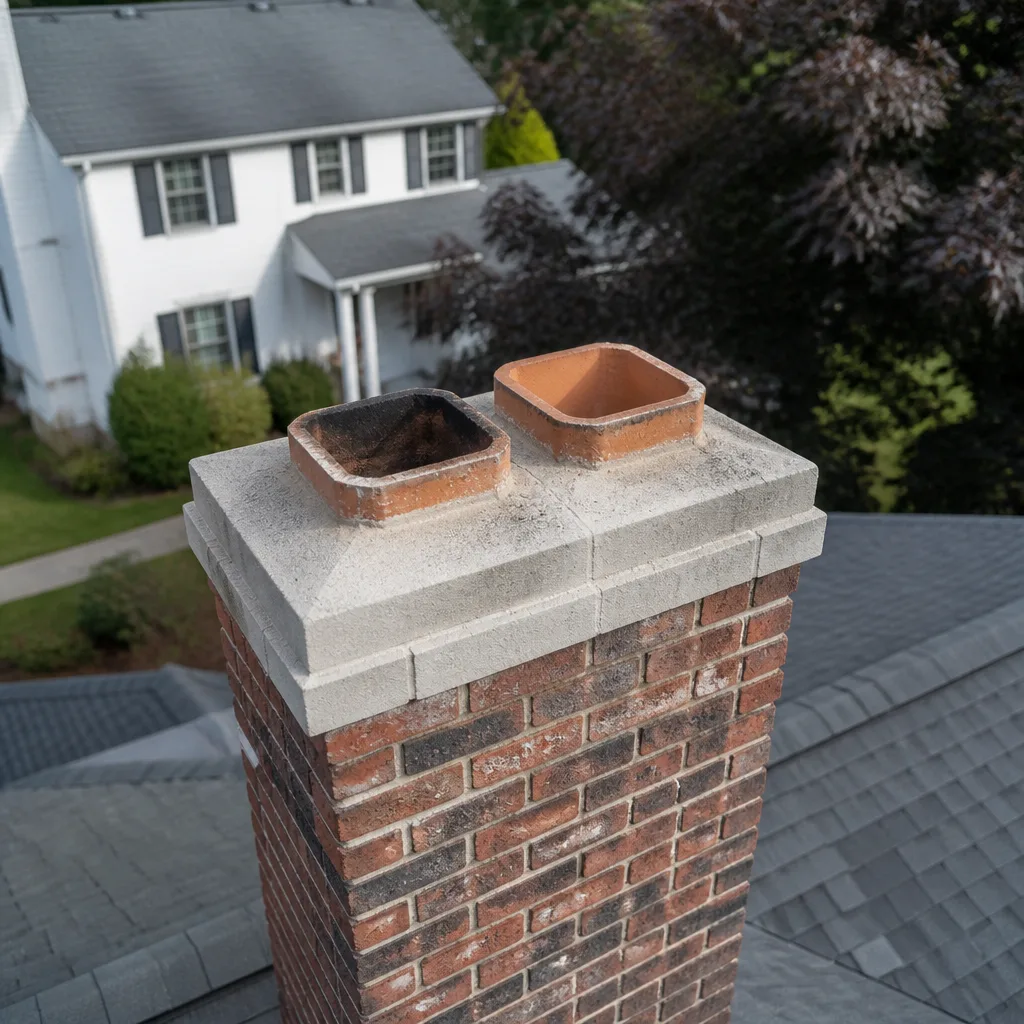 Sweep & inspection
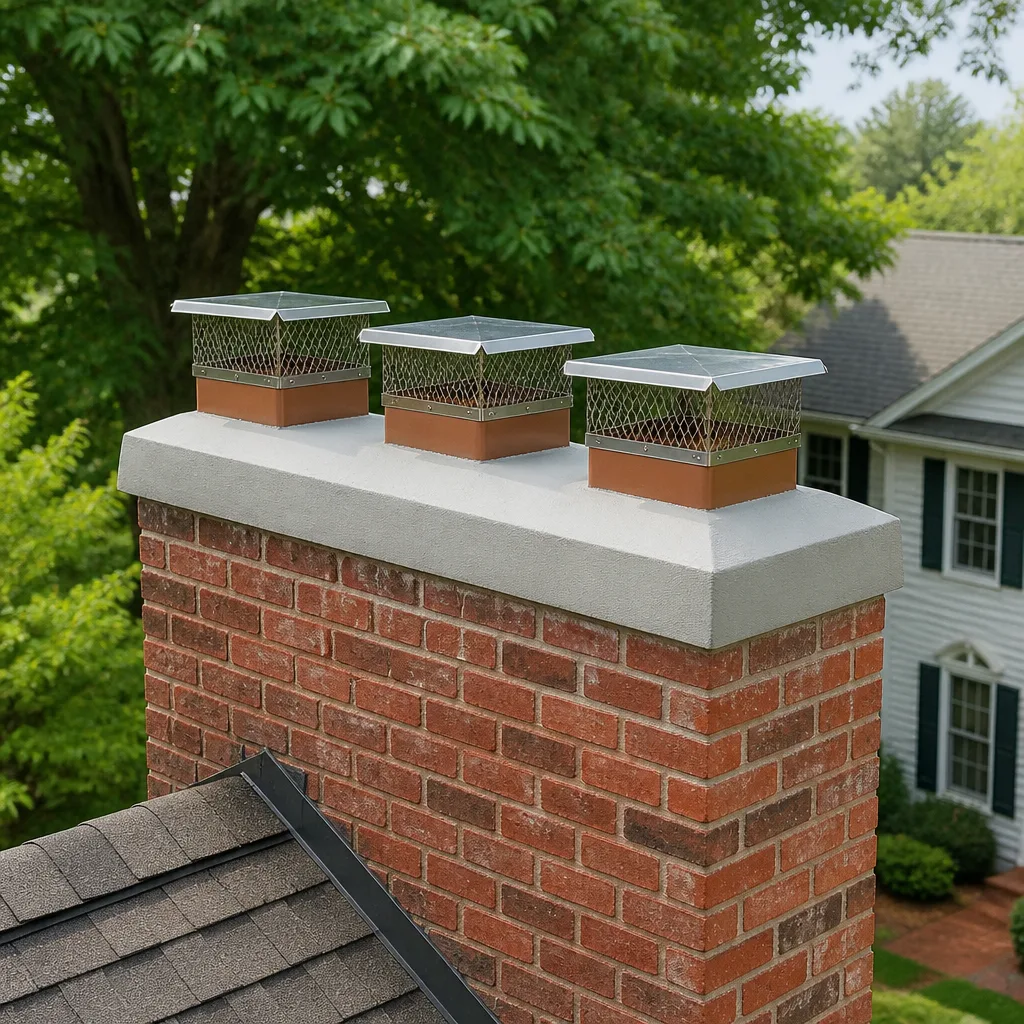 Caps & crowns
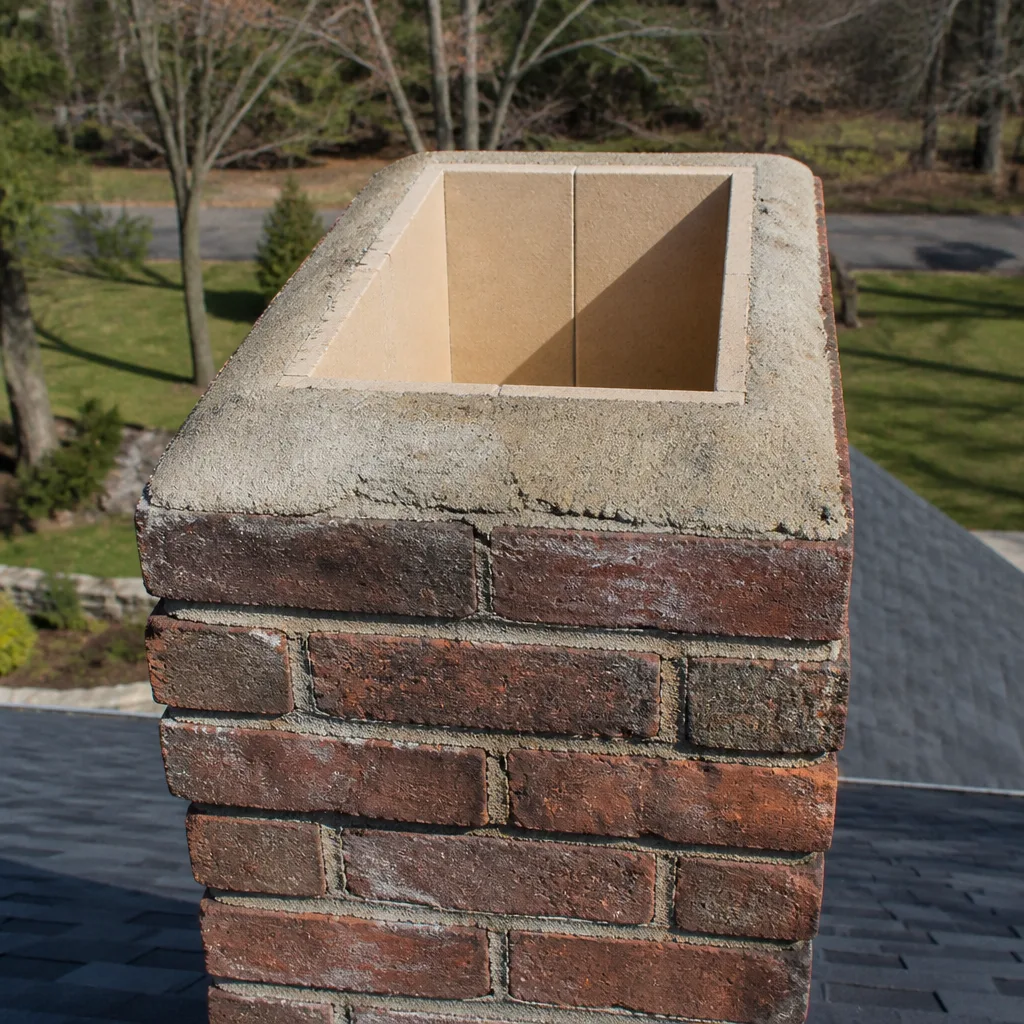 Flue relining
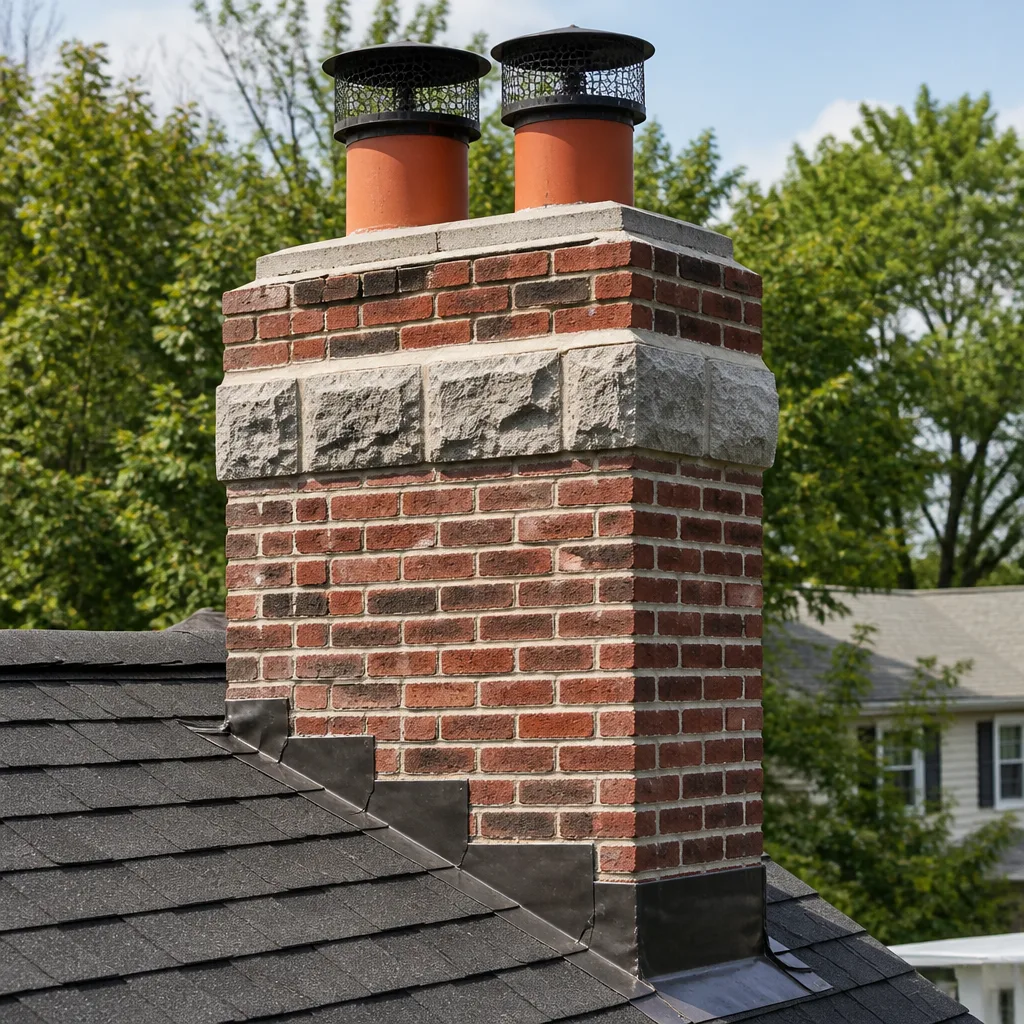 Masonry repair
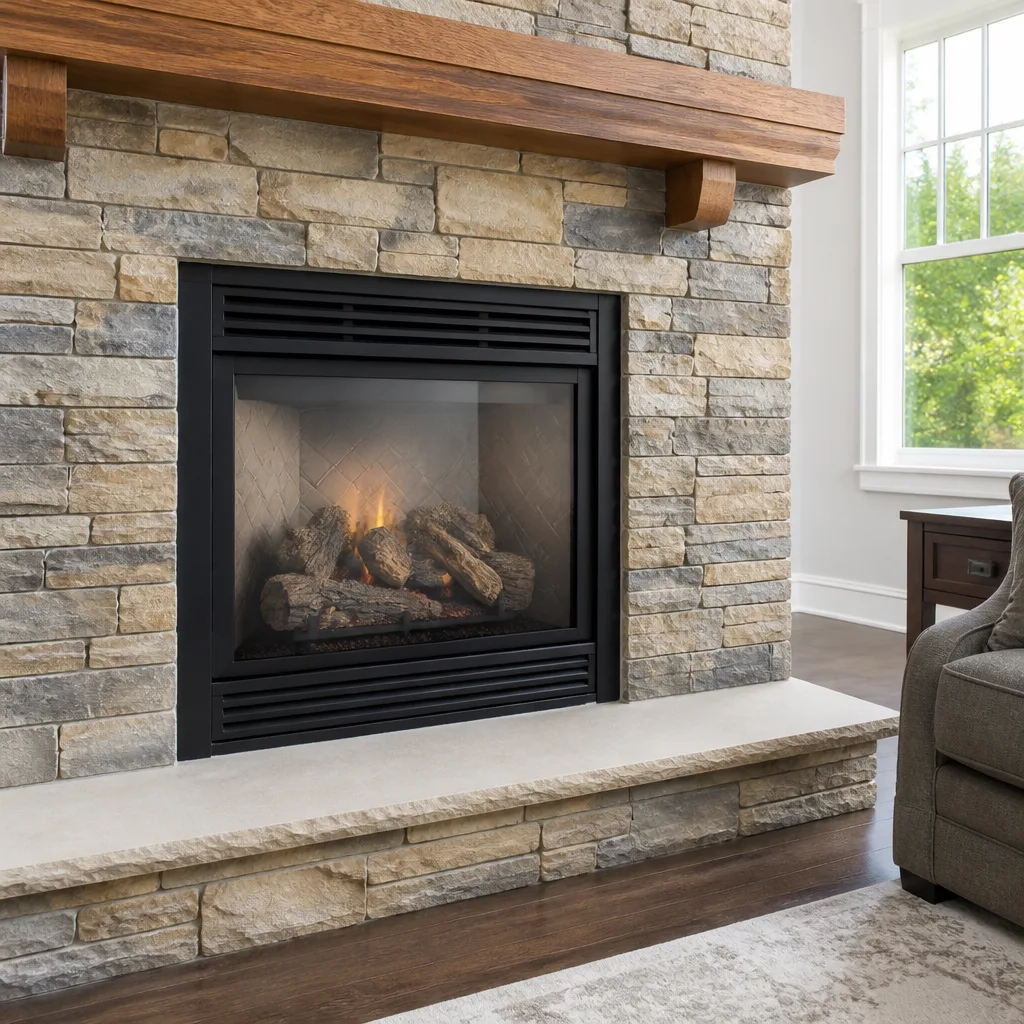 Gas fireplace service
Level 1 sweep and inspection to the NFPA 211 annual standard - flue, crown, cap, and flashing checked and photographed
Chimney sweep logs do not sweep chimneys. They loosen some creosote - which then falls where a brush and vacuum still have to collect it.
The Complete Guide to Chimney Cleaning in Kent
Most chimney fires don’t happen in chimneys that were never cleaned. They happen in chimneys that were cleaned but never properly inspected afterward. A brush knocks down what it can reach. It doesn’t tell you whether the flue liner has cracked, whether creosote has glazed into a hard shell the brush skated over, or whether the crown is quietly funneling rainwater into the masonry. In Kent, where wet seasons run long and burn habits run local, that gap between cleaning and diagnosing is where problems hide. This guide walks through what chimney cleaning in Kent really involves, from our wet-climate creosote conditions to reading a post-cleaning report. You’ll finish knowing what to ask, what to check, and what a thorough visit should include.
Quick Answer
Chimney cleaning in Kent means sweeping the flue and firebox, then inspecting the full chimney system and giving you a written report with photo evidence of what was found. A proper visit includes a camera inspection, an NFPA Level 1 or Level 2 assessment depending on what the chimney shows, and a clear list of anything that needs repair. Cleaning alone, without inspection, leaves the most dangerous problems untouched.
Styles & brands we work with
- Sweep & inspection
- Caps & crowns
- Flue relining
- Masonry repair
- Gas fireplace service
Table of Contents
- Why Chimney Cleaning in Kent Is Different
- Level 1, Level 2, and Level 3 Inspections Explained
- How the Wood You Burn in Kent Changes Your Cleaning Schedule
- What a Full-Service Cleaning Includes (and What a Sweep-and-Leave Doesn’t)
- How a Professional Cleaning Visit Works, Step by Step
- How to Read a Post-Cleaning Report
- Red Flags in What a Technician Doesn’t Mention
- After the Sweep: Repairs and Protection
Why Chimney Cleaning in Kent Is Different
Kent sits in a wet climate, and that changes how creosote forms inside a chimney. In dry regions, creosote tends to stay loose and flaky, and a standard brush removes most of it. Here, moisture in the air and moisture in the wood combine to push creosote through a different progression. It can start as a soft, sticky film, then harden into a crusty glaze, and eventually bake into a dense, glassy layer that clings to the flue walls.
That glazed stage is the one that matters. Glazed creosote is harder to remove, harder to spot in a casual glance, and far more flammable than the powdery type. A sweep with a standard brush may pass right over it. The flue looks clean from the bottom. The report says the chimney was swept. Then the next fire heats that glaze and the risk that’s been building goes unnoticed.
Pacific Northwest rainfall patterns also feed a slow water problem. Rain that finds its way past a missing cap or a cracked crown soaks into the masonry. Brick and mortar absorb that moisture and hold it through the damp months. Combined with the freeze-thaw cycles Kent gets in colder stretches, that water works mortar joints loose and can crack the flue tiles themselves. When those tiles crack, creosote and smoke can migrate into the structure of the house.
What this means for Kent homeowners is that cleaning has to be paired with a moisture assessment. A sweep who only asks about soot is working from a drier-climate playbook that doesn’t fit here. Our technicians have up to 9 years of experience, and much of what we look at after a sweep in Kent is water damage: rusted dampers, crumbling crown mortar, caps that have failed at the seam.
The takeaway is simple. In Kent, a chimney that looks clean at the firebox end can still have a glazed flue above it and a leaking crown above that. The only way to know is inspection, and inspection should come as part of the cleaning, not as an optional add-on afterward.
Level 1, Level 2, and Level 3 Inspections Explained
The National Fire Protection Association (NFPA) sets three inspection levels, and which one you get depends on what the chimney shows and what’s changed since the last inspection. Most homeowners have never been told the difference. That’s a problem, because a Level 1 won’t find what a Level 2 is designed to catch.
Level 1 inspection is the basic visual check. It covers the readily accessible parts of the chimney and venting: firebox, damper, flue from below, and the visible exterior at the roofline. It’s appropriate when the chimney is unchanged since the last assessment and you’re keeping the same appliance. It’s the lightest of the three.
Level 2 inspection is the standard for most cleaning visits and for any change in how the chimney is used. It adds a video camera scan of the flue interior and a closer look at accessible portions of the attic, crawlspace, and chimney exterior. It’s required when a home changes hands, after a chimney fire, after a flue liner is installed, and when you switch fuel types or replace an appliance. Most of the after-cleaning diagnostics we recommend in Kent are Level 2 because the camera tells the real story about liner condition.
Level 3 inspection is the most invasive and is done only when a Level 1 or Level 2 has identified a serious concern that can’t be assessed otherwise. It can involve removing parts of the chimney or adjacent building materials to reach concealed areas. It’s rare and it follows a specific finding, not curiosity.
Here’s how to think about it after a cleaning in Kent:
- If nothing in the chimney has changed and a qualified technician has assessed it before, a Level 1 may be enough.
- If you’ve moved in, switched appliances, had a fire, or the sweep found anything that worries them, ask for a Level 2.
- If a Level 2 raised a serious question about a concealed area, a Level 3 is the next step and only after a clear reason.
Ask which level was performed and what it covered. A report that doesn’t name the inspection level is a report you can’t fully interpret.
How the Wood You Burn in Kent Changes Your Cleaning Schedule
National chimney guidance usually talks about cordwood, hardwood, and softwood in general terms. In Kent, the wood actually burned often includes alder from local lots, and a fair amount of it isn’t fully seasoned when it gets delivered. Both of those change the math on cleaning frequency.
Alder burns reasonably hot and clean when it’s dry, but it seasons differently than oak or maple. It dries faster on the surface but holds moisture deeper in, especially in our damp climate. If a homeowner buys a load from a local lot and burns it too soon, the fire spends more energy driving off water than producing heat. The result is a cooler, smokier burn with more creosote deposition. The flue accumulates faster than national averages would suggest.
Green wood does the same thing on a bigger scale. Unseasoned wood burns at lower temperatures, produces more visible smoke, and deposits more of that smoke as creosote on the flue walls. In our wet climate, wood that’s been stacked outdoors can pick moisture back up even after it seemed dry, so “seasoned” means more here than it might mean in a dry climate.
What this means for cleaning frequency:
- If you burn mostly well-seasoned hardwood: a once-a-year sweep and inspection, done before the burning season starts, usually holds.
- If you burn a lot of alder from local lots: expect to look at the flue more often, and don’t assume the national “once a year” line covers you if you’re burning heavily.
- If you mix in green or unseasoned wood: shorter intervals between cleanings make sense, and an inspection partway through the season can catch glaze before it hardens.
- If you burn occasionally rather than daily: the calendar matters less than the amount of creosote in the flue. Low-use households can often stretch intervals, but they still need a yearly look.
The honest answer is that cleaning frequency in Kent depends on what you burn and how you burn it, not on a fixed national number. A sweep who asks about your wood source and burn habits, rather than just booking a yearly slot, is asking the right questions. Our chimney sweep service starts with those questions, because the answers shape what we look for in the flue.
What a Full-Service Cleaning Includes (and What a Sweep-and-Leave Doesn’t)
A “sweep-and-leave” visit is just that: a brush down the flue, a vacuum, and gone. It’s not worthless, but it treats cleaning as the whole job when cleaning is really the first step. A full-service cleaning treats the sweep as the point where the technician actually learns about your chimney.
Here’s what a full-service cleaning should include, and how it differs from the generalist version:
- Protection of the room before any work starts. Drop cloths, a sealed work area, and a high-efficiency vacuum running the whole time. A sweep-and-leave often means a tarp and a shop vac.
- A proper sweep of the flue, firebox, smoke chamber, and damper area. The smoke chamber above the damper is a common place for creosote to collect, and it’s also a common place for a quick sweep to skip.
- A video inspection of the flue interior. This is the big divide. A camera scan shows liner cracks, gaps at joints, and glazed creosote that a brush can’t reveal from below.
- An exterior assessment at the roofline. Cap condition, crown condition, flashing, and masonry joints. Water intrusion starts at the top and shows up at the bottom.
- A written report with photos. Not a verbal “you’re all set.” A document you can keep, with images of what was found and what was recommended.
- A clear statement of what can wait and what can’t. A full-service visit tells you honestly when a repair is optional and when it’s a safety issue.
The difference matters because a generalist chimney sweep usually has no path from diagnosis to fix. If the inspection turns up a cracked crown or a damaged liner, a sweep-and-leave operation hands you a to-do list and drives off. Kent Chimney Sweep Pros handles the full scope of chimney system care, from the routine sweep through structural repair, so the person who finds a problem is the same company that resolves it. We work with chimney repair and cap and crown installation using professional-grade product lines, including DuraFlex flexible liner systems for full relining, HeatShield for flue resurfacing and liner repair, and Gelco, Olympia Chimney, and Famco components for the parts that get installed. That continuity is what “one call, complete care” actually means in practice.
How a Professional Cleaning Visit Works, Step by Step
Knowing the sequence helps you judge whether a visit was thorough. Here’s how a proper cleaning in Kent typically proceeds, from arrival to the report in your hand.
- Intake conversation. The technician asks about your appliance, what you burn, how often, and any problems you’ve noticed. Answers here shape the whole visit.
- Room protection. Drop cloths go down, the work area gets sealed, and the vacuum is set up before any soot is disturbed.
- Firebox and damper inspection. The technician checks the firebox for cracking, the damper for operation and rust, and the smoke chamber for creosote buildup.
- Flue sweep. Brushes sized to your flue are run from the appropriate direction (bottom-up or top-down, depending on your setup), and all soot is captured by the vacuum.
- Camera inspection. A video camera runs the length of the flue. This is where liner cracks, joint gaps, and glazed creosote get documented.
- Exterior inspection. Up at the roofline, the technician checks the cap, crown, flashing, and masonry joints for water damage and wear.
- Photo documentation and report. Findings are recorded with images, and the technician walks you through what was found and what it means.
- Recommendations and written estimate. Anything that needs repair is laid out with an estimated cost and a clear statement of urgency. The written estimate sets the final price.
Notice that the sweep itself is step four of eight. The cleaning is the middle of the visit, not the whole of it. If a technician’s visit ends at step four, you’ve paid for a brush and not much else.
One safety note: the flue and the chimney structure are a trained professional’s territory. Climbing a roof, working inside a flue, and dealing with glazed creosote all carry real risk, and a failed liner or a damaged crown can lead to carbon monoxide entering the home. Don’t attempt to inspect or clean beyond the firebox yourself. Call a trained professional for anything above the damper, and for a second opinion on anything a prior sweep told you.
How to Read a Post-Cleaning Report
The post-cleaning report is the single most useful document a chimney visit produces, and most homeowners glance at it and file it without reading closely. Here’s what to look for and what each piece means.
- The inspection level. A report should say whether it was a Level 1, Level 2, or Level 3 inspection. If it doesn’t, you can’t judge what was actually assessed.
- Photo evidence. Good reports include images of the flue interior, the crown, the cap, and any area where a problem was found. Photos you can see are the difference between a recommendation and a guess.
- A creosote assessment. The report should describe the degree and type of creosote found (soft, crusty, or glazed) and how much of it the sweep removed versus how much remains.
- Liner condition. Look for a specific statement about the flue liner: intact, cracked, or with gaps at joints. “Liner looks fine” without a camera scan is not an assessment.
- Crown and cap condition. These are the top-end water defenses. The report should say whether the crown is intact or cracked, and whether the cap is present and secure.
- Recommendations separated into urgent and not urgent. A good report tells you what should be addressed before the next burn and what can wait. If everything on the list is marked urgent, ask which items would be safe to defer.
- An estimate with a price range. Repairs should come with an estimated figure and a note that the written estimate sets the final price.
Two things to remember when reading one. First, the cleaning report and the repair estimate are two separate documents, and you should be able to see exactly what a recommended repair is based on. Second, you should never be told you need a repair you can’t see evidence for. If a recommendation comes without a photo or a camera finding to back it up, ask for one. That request is always reasonable, and a company that has done the work can answer it.
Red Flags in What a Technician Doesn’t Mention
Sometimes the most important part of a report is what’s left out. These are the omissions worth paying attention to after a cleaning in Kent.
- No mention of a camera inspection. If the report says the chimney was swept but never mentions the flue interior being scanned, the most dangerous part of the system wasn’t assessed. Glazed creosote and cracked liners live in the flue, not the firebox.
- No detail on the crown and cap. Water intrusion is the leading cause of chimney deterioration, and in Kent’s wet climate it’s a constant threat. A report that never mentions the crown or cap skipped the top-end inspection.
- No photos. A written description without images leaves you taking the findings on faith. Good work is documentable.
- A number for creosote that doesn’t come with a description. “You had some creosote” tells you nothing. You want to know what type and how much was removed.
- No questions about your wood or burn habits. A sweep who doesn’t ask what you burn can’t tell you anything useful about your cleaning interval.
- A recommendation with no evidence. If you’re told you need a new liner or masonry work with nothing to back it up, get a second opinion before committing to the work.
- No statement of what can wait. A report that treats every finding as urgent, without saying what’s safe to defer, isn’t giving you an honest picture.
Any one of these on its own isn’t proof of a bad visit, but a report missing several of them probably means the cleaning stopped at the soot. If you’re holding a report like that, the useful next step is a proper inspection with photo evidence, whether or not the original sweep was thorough.
After the Sweep: Repairs and Protection
Once the cleaning is done and the inspection has found what’s there, the question becomes what to do about it. Not every finding is urgent, and a good chimney company will tell you the difference. Here’s how the common repairs break down, and why they belong with a chimney specialist rather than a generalist.
- Liner repair or relining. A cracked or degraded flue liner is a safety issue, because it’s what keeps smoke and gases inside the chimney and away from the structure of the house. HeatShield is a specialist flue resurfacing system used to repair failing liners from the inside, and it’s a solution many sweep-only companies don’t carry or know how to apply. When the liner needs full replacement rather than resurfacing, DuraFlex flexible liner systems are the professional-grade route for a complete relining.
- Cap installation. A chimney cap keeps rain, debris, and animals out of the flue. It’s the simplest protection against water intrusion, and it’s the first line of defense in a wet climate. A missing or damaged cap is one of the most common findings in Kent.
- Crown repair or replacement. The crown is the concrete surface at the top of the chimney that sheds water away from the masonry. A cracked crown lets water into the brick and mortar, and over time that leads to spalling, joint failure, and structural damage. Crown work is the preventive repair that most sweep-only operations skip.
- Fireplace repair. Cracks in the firebox, a damaged damper, or mortar joints that have failed in the firebox surround. Our fireplace repair service addresses those before they spread into the surrounding structure.
- Masonry and structural repair. Repointing joints, replacing spalled brick, and addressing what the water has already done. This is where Kent Chimney Sweep Pros differs from a generalist: the same company that diagnoses the problem is the one that fixes it, using professional-grade materials like Olympia Chimney and Famco components where the installation calls for them.
The order matters. A cap or crown repair should generally come before or alongside a relining, because there’s no point sealing the inside of the chimney if water is still getting into the top. A good company lays the work out in the right sequence and explains why, rather than handing you a list and letting you sort it out.
If you’re not sure what your report is telling you, that’s a normal place to be. Call us and we’ll walk you through it. The Kent Chimney Sweep Pros team handles everything from a routine sweep to a full reline, and we’re glad to review a report you already have.
Common Mistakes to Avoid
- Treating cleaning as the whole job. A sweep without an inspection misses the glazed creosote and cracked liners that cause most chimney fires. Cleaning is step one of a diagnostic visit, not the finish line.
- Assuming a yearly sweep is always enough. In Kent, burning alder from local lots or wood that isn’t fully seasoned can build up creosote faster than the national “once a year” line suggests. Adjust the interval to what you actually burn.
- Skipping the camera scan. The flue interior is the part you can’t see from below, and it’s where the real problems live. If a visit didn’t include a camera inspection, the report is incomplete.
- Ignoring the crown and cap. Water is the leading cause of chimney deterioration, and in Kent’s wet climate a failed crown or missing cap does more slow damage than a season of soot. Check them at every visit.
- Accepting a repair without evidence. You’re entitled to see why a repair is being recommended. If a company can’t show you the photo or the camera finding behind it, get a second opinion before committing.
- Hiring a generalist for the repair after a specialist sweep. When the sweep and the repair are handled by different contractors, the person who diagnosed the problem isn’t the one fixing it. Keep it with one company where you can.
- Burning unseasoned wood and expecting the chimney to stay clean. Green wood smokes more, burns cooler, and deposits more creosote. In our climate, wood that seemed dry can pick moisture back up if it’s stored outdoors.
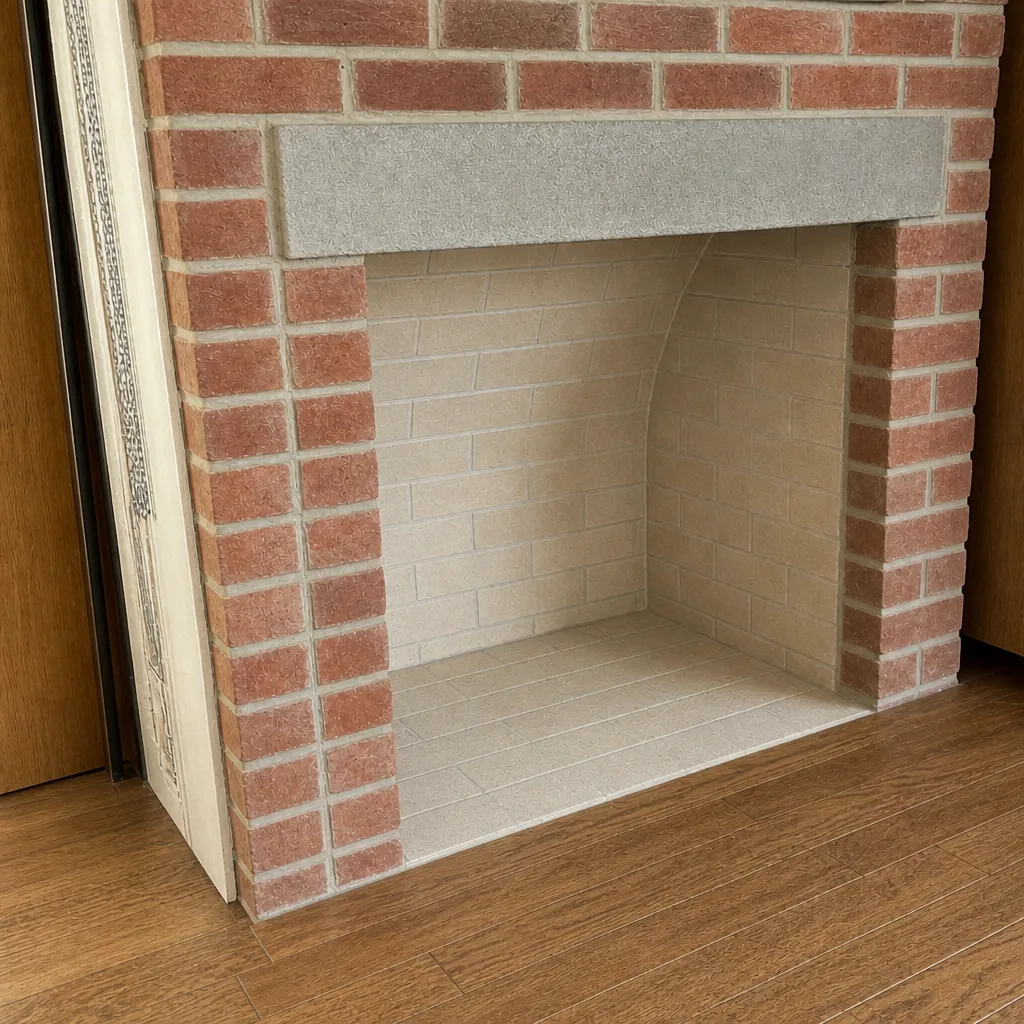
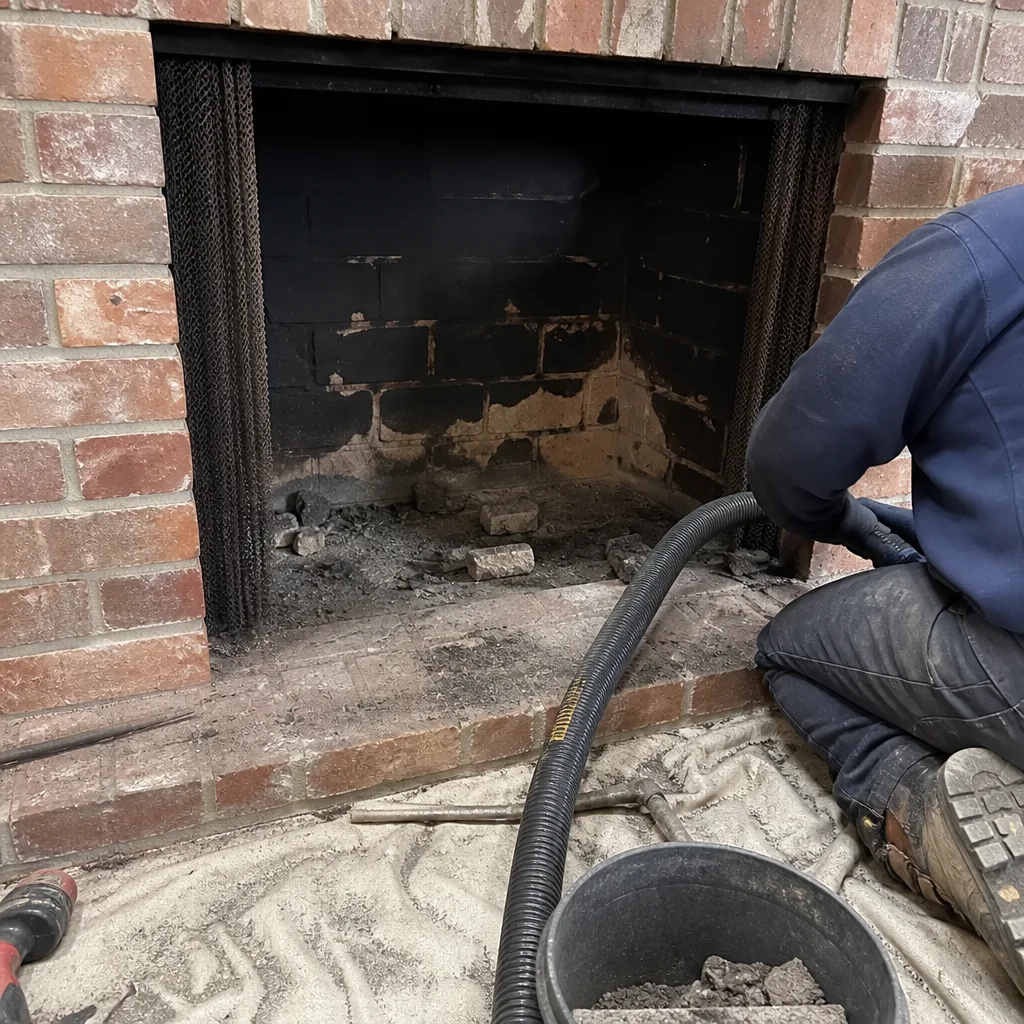
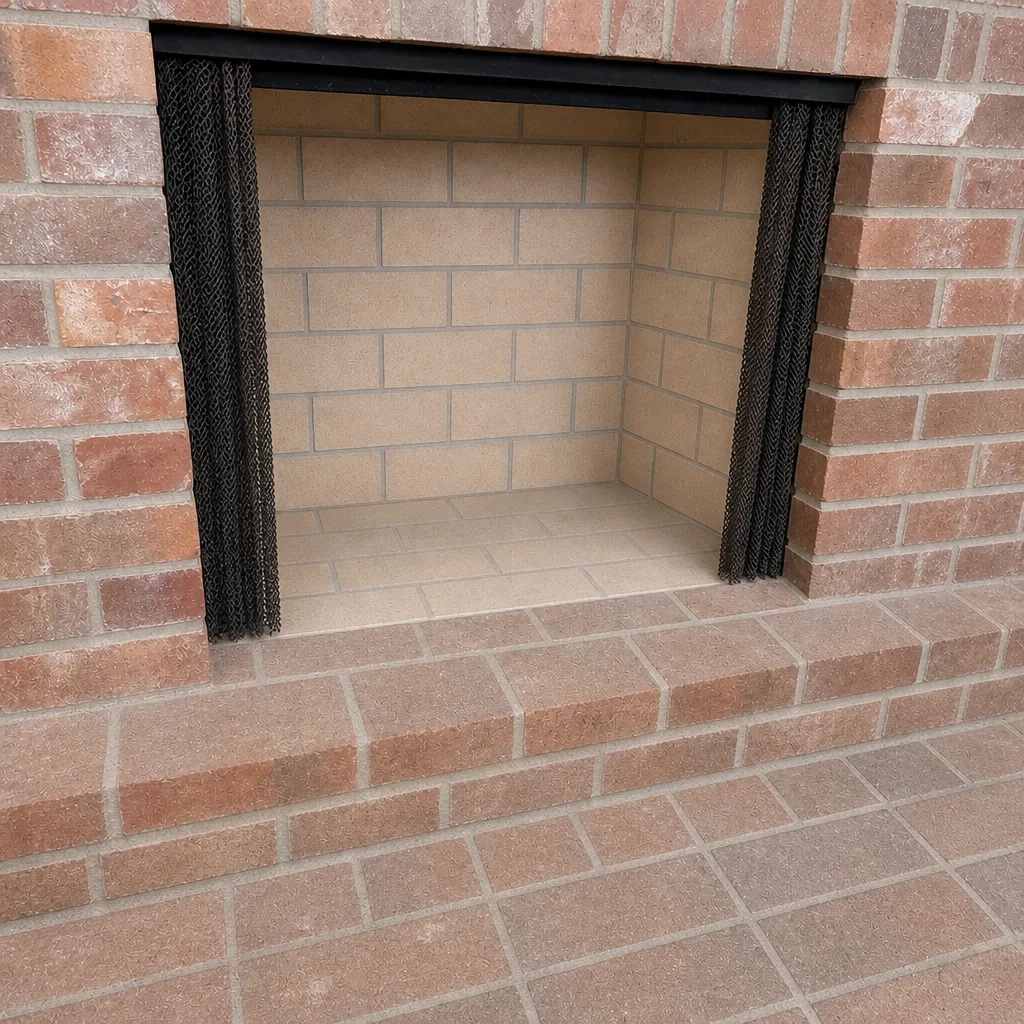
See the difference
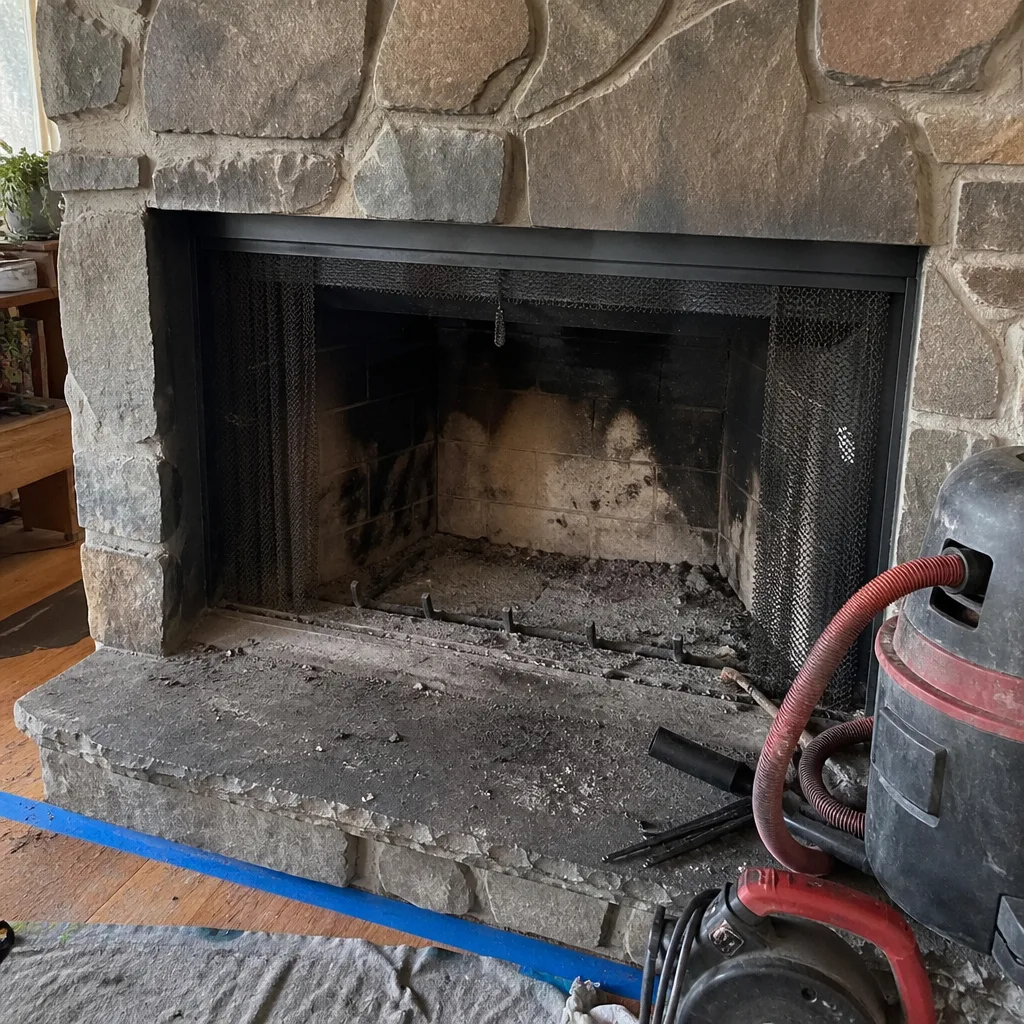 Before
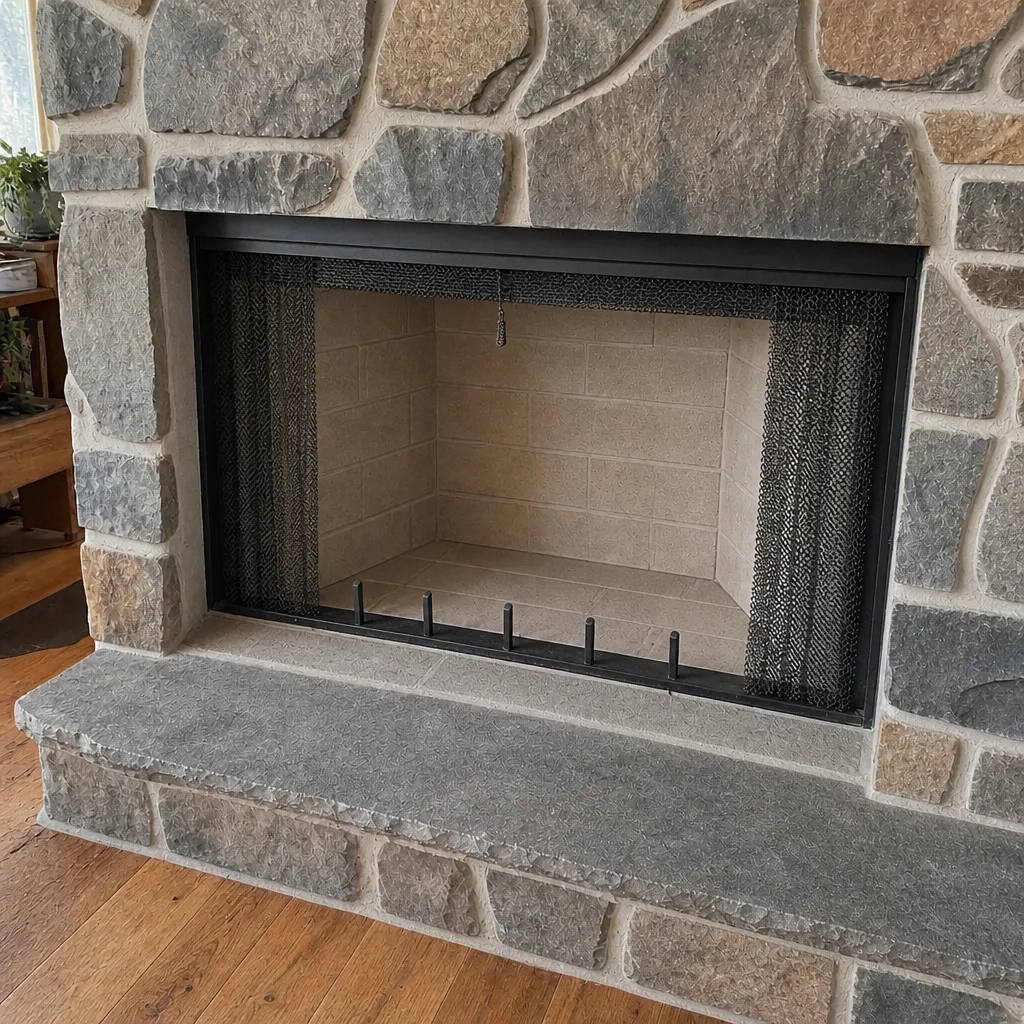 After
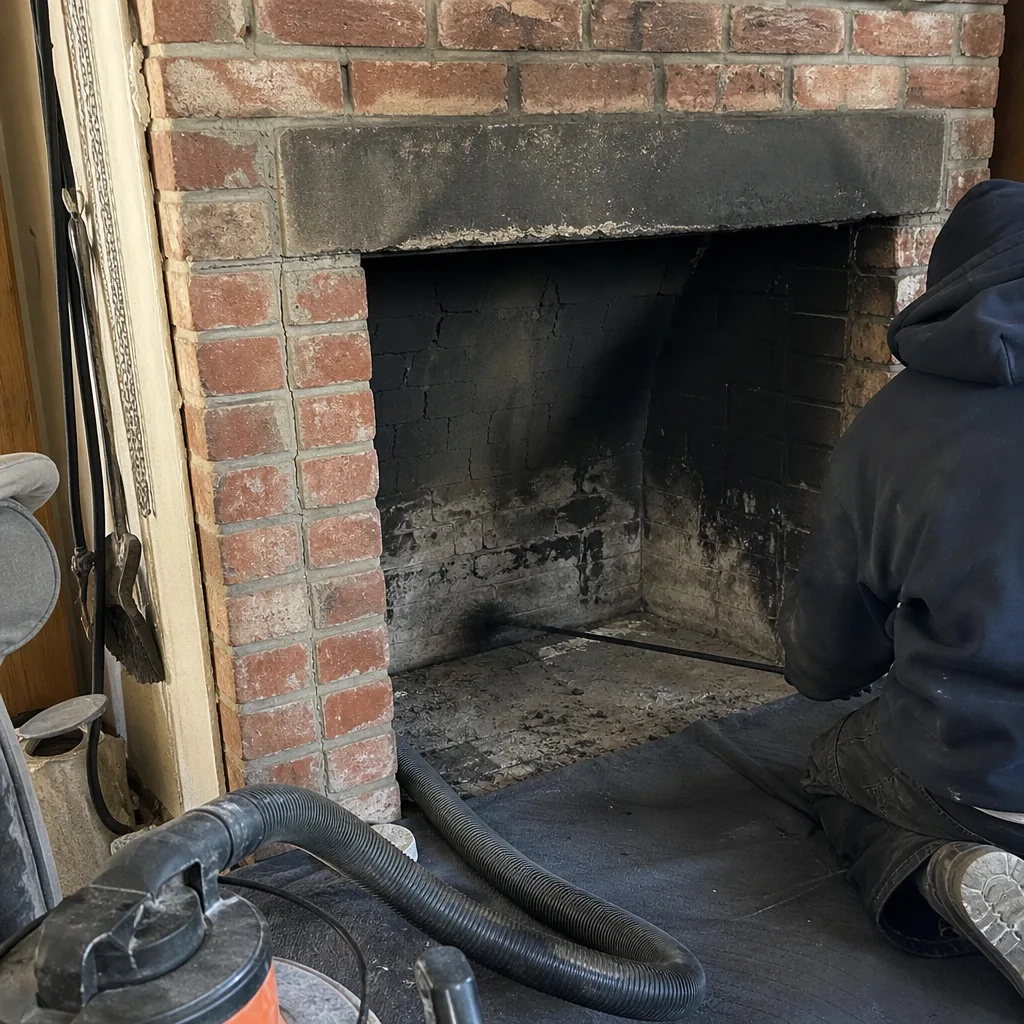 Before
 After
 Before
 After
When to Call a Professional
Call a professional chimney company when the job involves anything above the damper, and call right away for a few specific situations. If you’ve had a chimney fire, even a small one you put out yourself, a Level 2 inspection with a camera is the next step before you burn again. If you smell smoke in the house when the fire is going, or you notice soot stains on the chimney exterior or a damper that won’t seal, those are signs of a liner or structure problem that a sweep alone won’t resolve. If it’s been more than a year since the chimney was cleaned and you burn regularly, book the sweep before the burning season starts. If a prior sweep left you with a report you don’t understand, or a recommendation you can’t verify, a second opinion is worth the call.
Kent Chimney Sweep Pros offers free estimates in Kent. Call (877) 699-0126. We answer 24/7. Fast dispatch from 7am to 7pm, Sunday through Friday.
Frequently Asked Questions
A standard chimney cleaning in Kent typically costs between $150 and $300, and the price climbs when the visit includes a camera inspection, a heavier creosote removal, or additional work like cap or crown assessment. The written estimate you receive before the job sets the final price, and it’s based on the condition of your specific chimney rather than a flat rate. Call (877) 699-0126 for an exact quote – estimates are free.
Most Kent households should have the chimney swept and inspected once a year, ideally before the burning season starts, but the right interval depends on what you burn. Households burning alder from local lots or wood that isn’t fully seasoned often need to look at the flue more frequently because creosote builds faster. Ask the technician at each visit what interval fits your burn habits. Call (877) 699-0126 to book a sweep and get a recommendation for your chimney.
You don’t need a new liner unless a camera inspection shows a cracked, gaping, or degraded flue, and you should be able to see the evidence yourself before agreeing to the work. A liner that’s intact doesn’t need replacing, and HeatShield resurfacing can repair some failing liners without a full replacement. If a recommendation comes without a photo or a camera finding, ask for one, or get a second opinion. Call (877) 699-0126 and we’ll review your report with you.
Skipping a chimney cleaning lets creosote build up inside the flue, and in Kent’s wet climate that creosote can glaze into a dense, flammable layer that a standard brush won’t fully remove. A chimney fire can ignite that glaze, and a cracked liner or damaged crown can let carbon monoxide and smoke into the home. Cleaning and inspection are what catch those problems while they’re still small. Call (877) 699-0126 to get on the schedule before the burning season.
A Level 1 inspection is a visual check of the accessible parts of the chimney, while a Level 2 adds a video camera scan of the flue interior and a closer look at accessible attic, crawlspace, and exterior areas. In Kent, most after-cleaning diagnostics are Level 2 because the camera shows liner condition and glazed creosote that a visual check can’t reveal. Ask which level was performed when you review the report. Call (877) 699-0126 to book a Level 2 inspection.
Yes. Kent Chimney Sweep Pros handles the full scope of chimney system care, from sweeping and inspection through liner repair, fireplace repair, chimney repair, and cap and crown installation, so the company that finds a problem is the one that fixes it. We work with professional-grade product lines including HeatShield, DuraFlex, Gelco, Olympia Chimney, and Famco, and we install systems like DuraFlex flexible liners for full relining. Call (877) 699-0126 for a free estimate on repair work.
The Bottom Line
Chimney cleaning in Kent is worth doing, but it’s not the whole job. The cleaning is the point where a trained technician learns what’s happening inside your chimney, and the inspection, the camera scan, and the written report are what turn a sweep into real protection. In our wet climate, glazed creosote and water intrusion from a failed crown or missing cap are the two problems most likely to be missed by a sweep-and-leave visit. Read your report closely, ask for the evidence behind any recommendation, and trust a company that tells you what can wait. If you want one company that can sweep, inspect, and repair, Kent Chimney Sweep Pros is ready. Call (877) 699-0126 for a free estimate. We answer 24/7. Fast dispatch from 7am to 7pm, Sunday through Friday.
Written by the team at Kent Chimney Sweep Pros.