
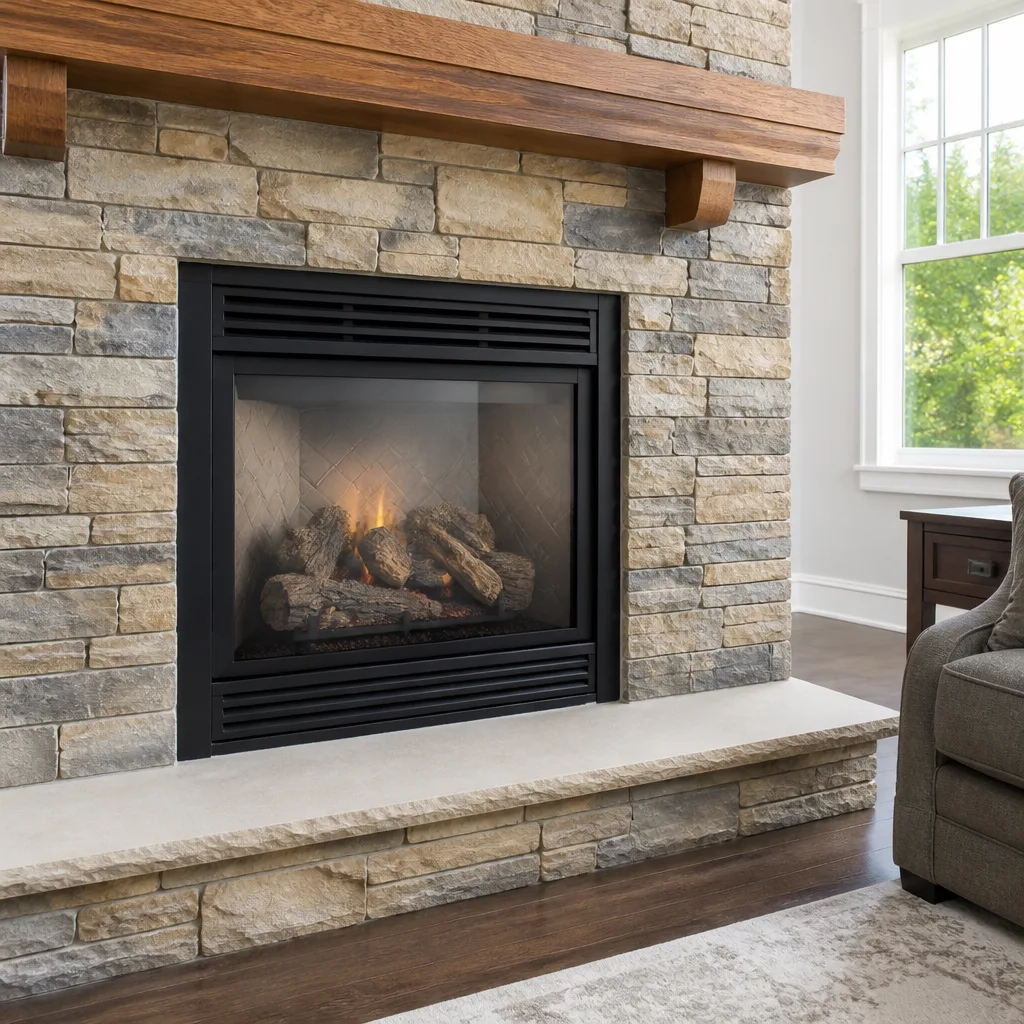
 Gas fireplace service
 Sweep & inspection
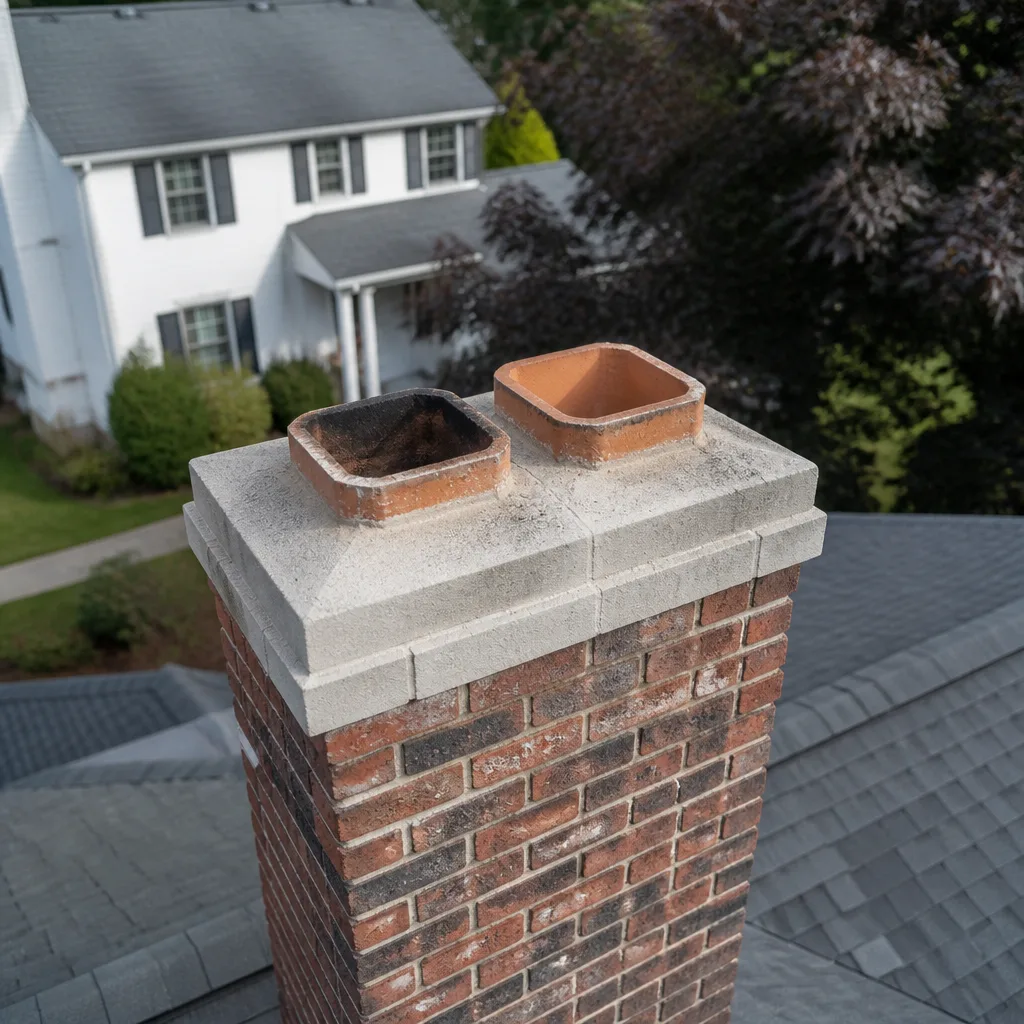
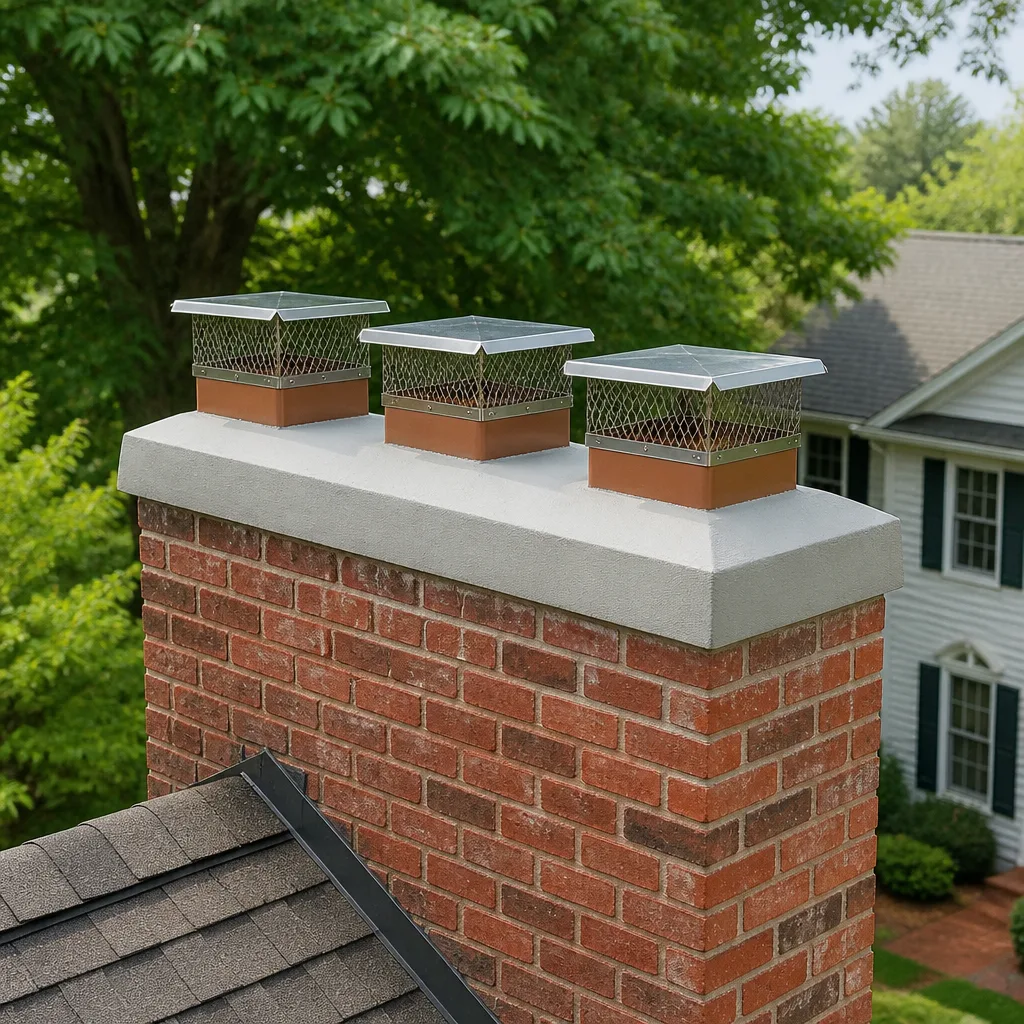 Caps & crowns
 Flue relining
 Masonry repair
Level 1 sweep and inspection to the NFPA 211 annual standard - flue, crown, cap, and flashing checked and photographed
Chimney sweep logs do not sweep chimneys. They loosen some creosote - which then falls where a brush and vacuum still have to collect it.
Why Kent Homeowners Choose HeatShield Chimney Cleaning
We provide independent HeatShield chimney cleaning and repair service in Kent, WA. HeatShield is a flue resurfacing system, not a brand of chimney: it restores cracked and spalled clay tile liners from the inside using a cement-based material formed to the flue. What makes our HeatShield work different is deciding first whether your flue is even a good candidate for resurfacing, because applying a coating over tile that won’t hold is worse than doing nothing.
That judgment call comes up constantly in Kent. The city splits between postwar tract homes on the valley floor, where original masonry fireplaces sit with exterior chimneys that take on water from the damp lowland air, and wooded East Hill homes under a Douglas fir canopy that packs caps and spark arrestors with needles by late fall. Different chimneys, different failures, same question underneath: resurface, reline, or leave it alone.
We’re an independent HeatShield service provider. We’re not affiliated with, authorized by, or acting as a dealer for HeatShield, and we make no manufacturer warranty claim. Call (877) 699-0126 for a free estimate.
Key Takeaways
- HeatShield is a resurfacing system for cracked and spalled clay tile liners, not a liner itself.
- It needs sound substrate to bond to. Badly spalled tile or wide joint gaps are a reason to reline instead.
- Every job starts with a Level 2 inspection, because you can’t judge a flue from the firebox.
- We’re independent. No HeatShield affiliation, no manufacturer warranty representation.
Why Trust Kent Chimney Sweep Pros for Your HeatShield Chimney Cleaning?
Our technicians have up to 9 years of experience, and that time has been spent working with professional-grade chimney product lines rather than one brand in isolation. HeatShield, DuraFlex, Gelco, Olympia Chimney, Famco, and Copperfield all show up in the same conversations, because the honest answer to a cracked flue often involves choosing between them.
That range matters for HeatShield work specifically. A sweep who only knows the HeatShield system will resurface a flue that should have been relined. A sweep who only sells stainless liners will never offer resurfacing to a homeowner whose tile is sound enough to hold a coating and who’d rather not pay for a full reline. Knowing both lets us tell you which one fits your chimney.
We use the genuine HeatShield resurfacing materials and applicators, because the system is proprietary and aftermarket substitutes don’t carry the same formulation. That’s not a sales line, it’s how the product works: the cement mix, the applicator that forms it to the flue walls, and the curing behavior all depend on each other. Improvise one part and the finished surface cracks or flakes.
Every HeatShield job we do is warranty-safe in the sense that matters to you: we don’t coat a flue that won’t hold, we don’t skip creosote removal to save a step, and we don’t hide what the camera shows. If a resurfacing would put your chimney or your home at risk, we say so and explain the alternative. That’s the whole approach, and it’s why Kent homeowners call us back for the next inspection.
Styles & brands we work with
- Sweep & inspection
- Caps & crowns
- Flue relining
- Masonry repair
- Gas fireplace service
Common HeatShield Chimney Cleaning Problems We Fix in Kent
HeatShield failures are rarely mysterious once you get a camera in the flue. Here are the ones we run into most, and what actually causes each.
- Resurfacing that flaked off in sheets. Usually the underlying tile was too badly spalled or the joint gaps too wide when the coating went on. HeatShield needs sound substrate to bond to. When the tile face is already crumbling, there’s nothing for the cement to grip, and the coating lets go within a season or two. A camera inspection catches this before anyone wastes money on a coating that can’t hold.
- Delamination behind the surface, caused by water. A failed crown or a missing cap lets rain run down the flue, and moisture gets behind the resurfacing from the outside. The coating lifts and flakes. In Kent this is the dominant cause, because the Puget Sound lowland gets roughly 37 to 39 inches of rain a year, most of it between October and April, and a chimney that stays wet all winter gives moisture plenty of time to work its way in. Fixing the crown and cap first is non-negotiable.
- Cracking from improper curing or too-thick application. HeatShield has to go on at the right thickness and cure under the right conditions. Applied too thick or rushed, the finished surface develops hairline cracks. Those cracks then trap creosote, and trapped creosote is a fire hazard, not a cosmetic problem. This one often shows up on flues where a previous coating was applied in a hurry.
- Coating applied over glazed creosote. Heavy glazed creosote has to come out before any resurfacing goes in. The coating can’t bond through it, and worse, the glaze stays in the flue as a fire hazard hidden behind a fresh-looking surface. Creosote removal comes first, always, and the flue gets swept clean and inspected again before the applicator goes in.
- Cracked firebox and smoke chamber left unaddressed. Resurfacing the flue above a failing firebox solves half the problem. HeatShield work in Kent often pairs with firebox repair, because a firebox that’s spalling or cracked lets heat and gases past the point where they should be contained. We repair the firebox as part of the same job so the whole system is sound, not just the flue.
HeatShield Parts & Our Repair-vs-Replace Approach
HeatShield work uses the genuine HeatShield resurfacing materials and applicators. We don’t claim to stock OEM or genuine HeatShield parts, and we’re not a HeatShield dealer. What we do is repair, install, and service HeatShield systems with quality materials that fit them, and we’re clear with you about which materials are going in your flue.
The repair-or-replace decision hinges on flue condition, and it’s the most useful conversation we have with a Kent homeowner. If the clay tile still has integrity, if the joints are tight enough and the surface sound enough for a coating to bond, HeatShield resurfacing is often the right call. It restores the flue from the inside without tearing anything out.
If tile integrity is marginal, if the gaps at the joints are too wide, or if the spalling has gone deep, relining with a listed stainless liner is the honest answer. A DuraFlex flexible liner handles that scope, and it’s a better use of your money than resurfacing a flue that will fail again in a few years. We’d rather tell you that up front.
On the East Hill, where fir needles and moss pack chimney caps so tightly by late fall that the cap hasn’t been visible since summer, we also check the cap and crown before recommending anything. A blocked cap and a wet crown are often what caused the damage in the first place. Call (877) 699-0126 to talk through your flue.
Our HeatShield Service Process – Step by Step
- 1
Level 2 inspection first. A video camera goes up the flue so we can see the tile joints, the spalling, and any glazed creosote. This is how we decide whether HeatShield is the right system for your flue or whether a liner is the better route. You see what we see.
- 2
Cleaning and creosote removal. The flue gets swept, and any heavy glazed creosote comes out before anything else happens. A coating applied over glaze can’t bond and leaves the fire hazard in place.
- 3
Substrate assessment. We check the tile surface and joint gaps. If the tile is too far gone, we stop and recommend relining instead of resurfacing. If it’s sound, we move ahead.
- 4
Repair and install. Crown and cap issues get fixed first, since moisture is what caused much of the damage. Then the HeatShield resurfacing goes in using the genuine materials and the custom-formed applicator that shapes it to the flue walls, including ovalized or offset flues.
- 5
Test and review. We check the finished surface, confirm the flue drafts properly, and walk you through what was done and how to keep it holding.
- 6
Warranty conversation. We explain what’s covered, what isn’t, and that we’re an independent provider with no HeatShield manufacturer warranty to represent. No surprises later.
See the difference
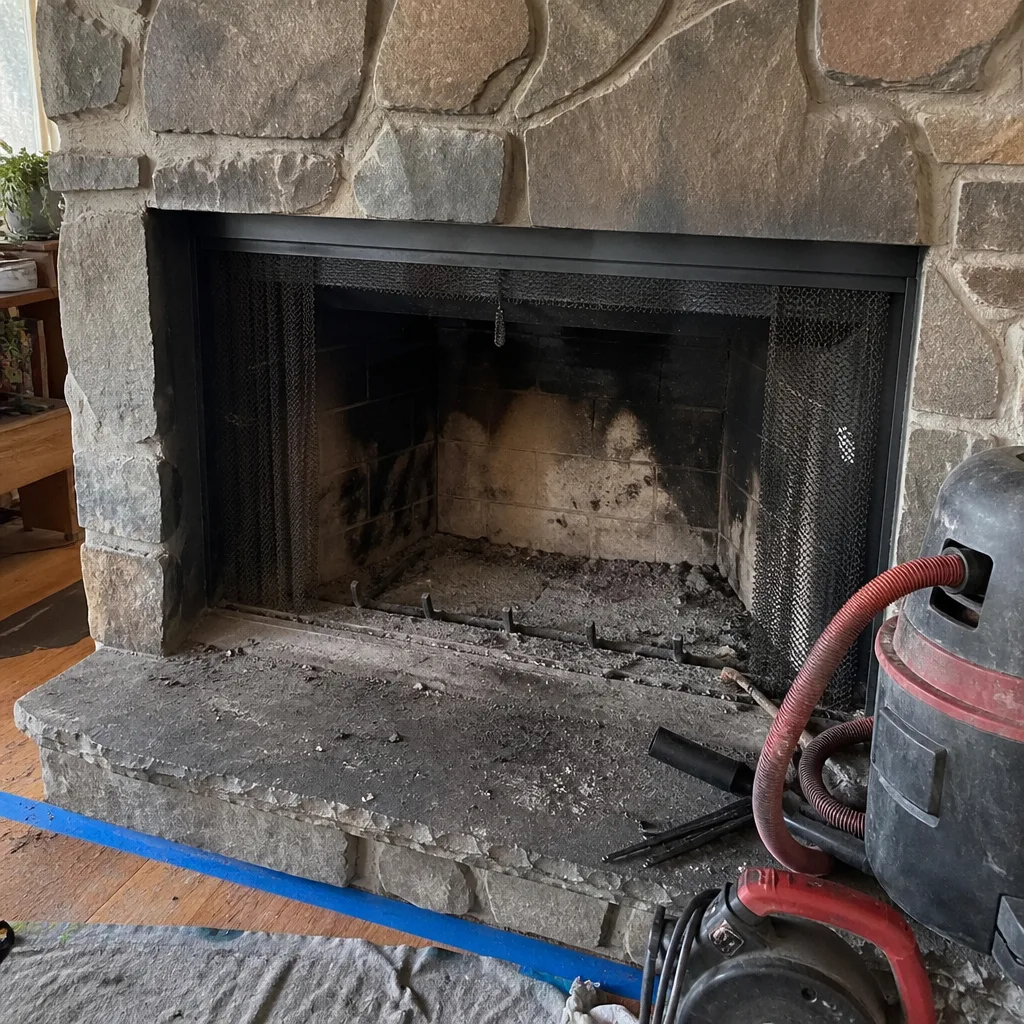 Before
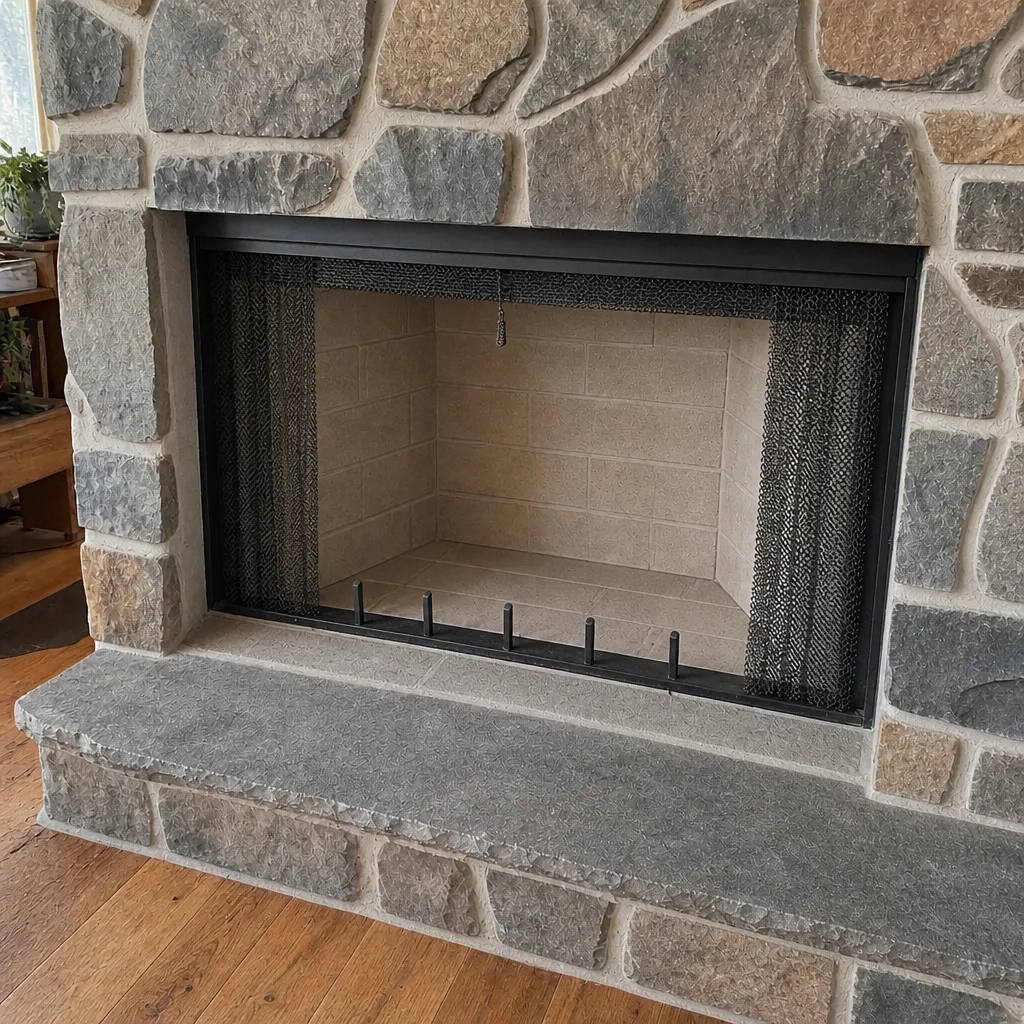 After
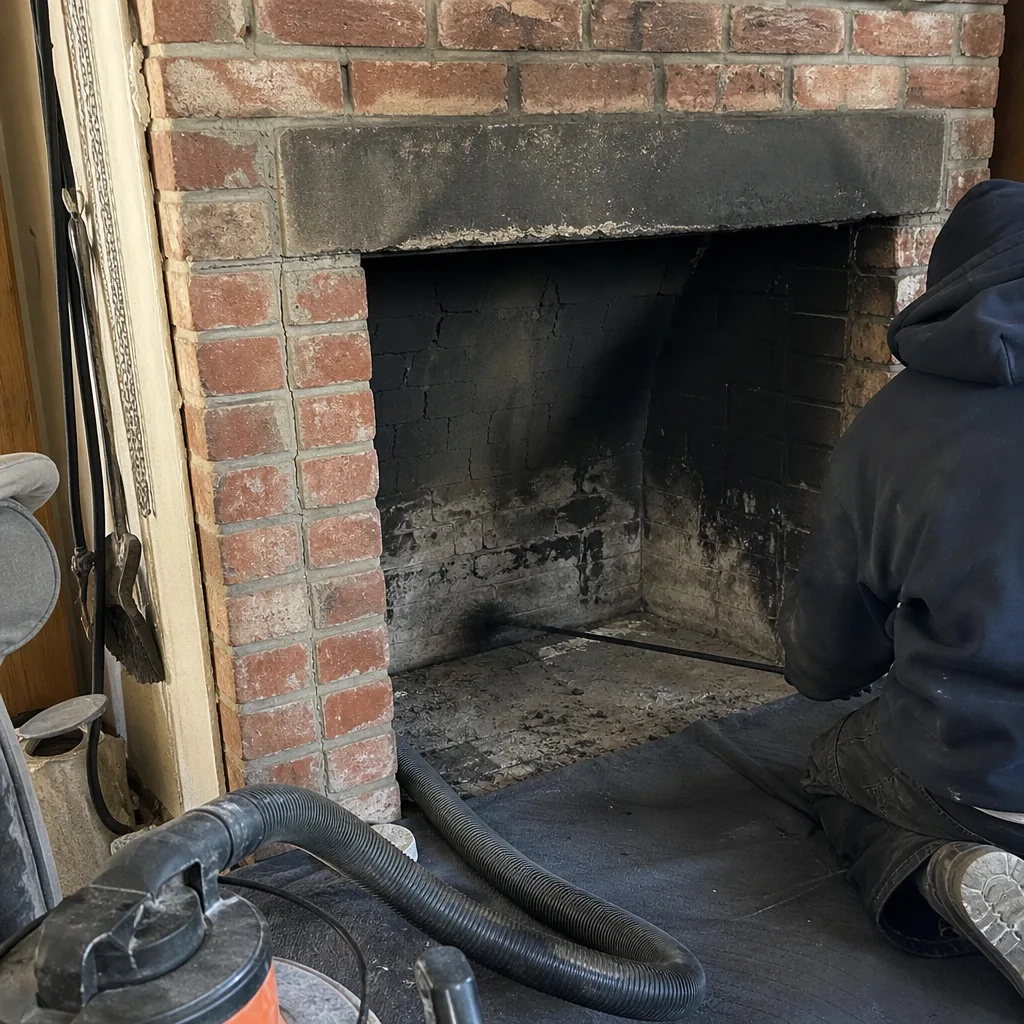 Before
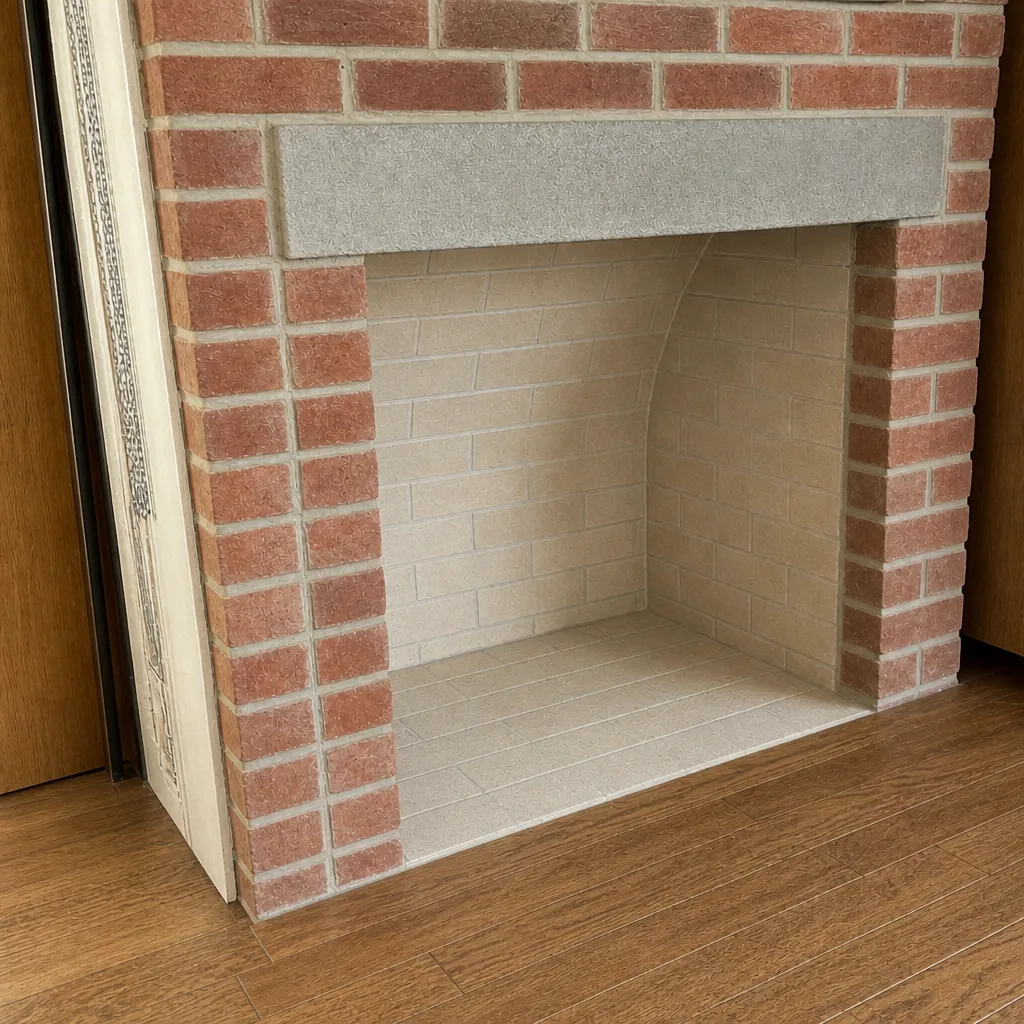 After
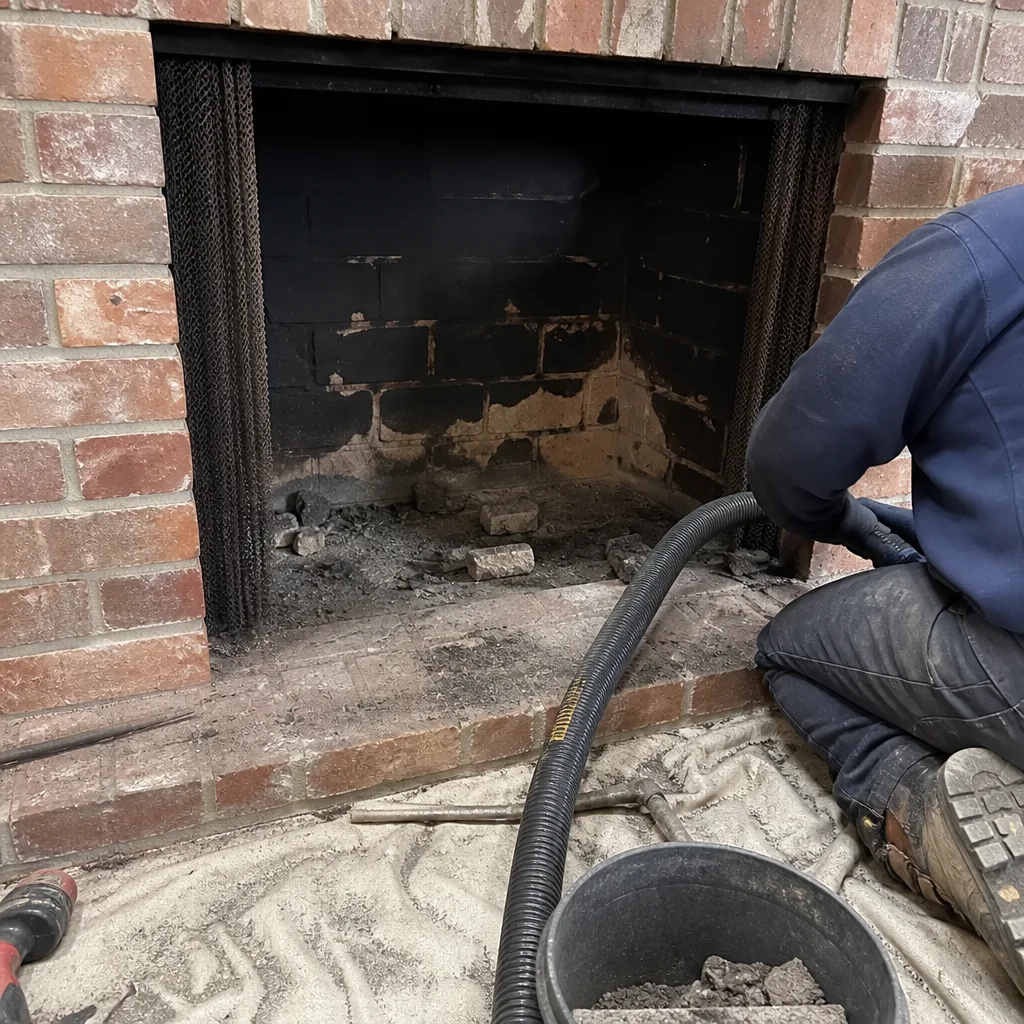 Before
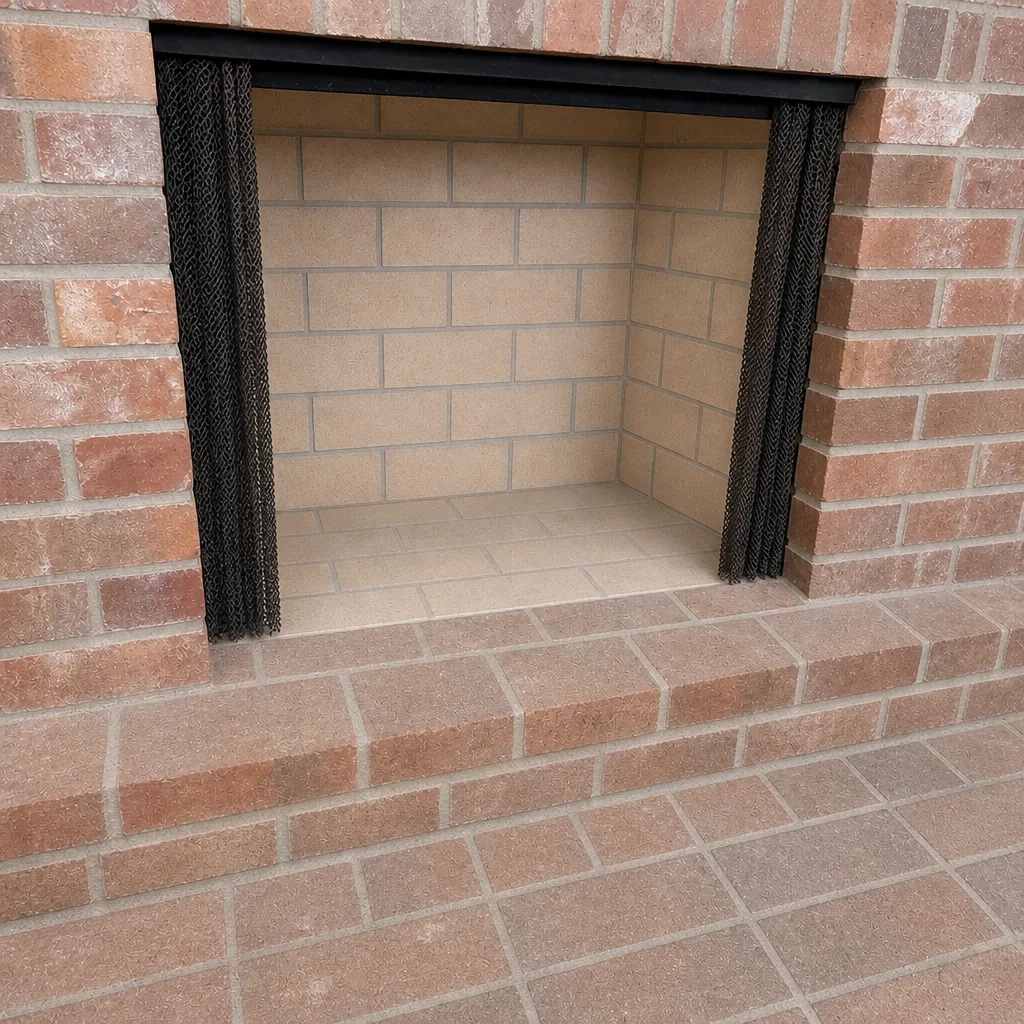 After
HeatShield Products We Service & Install in Kent
HeatShield is a flue resurfacing product used to restore cracked and spalled flue tiles from the inside. We service and install the HeatShield Original cement-based resurfacing for cracked clay tile liners, and we apply the HeatShield resurfacing system to spalled or deteriorated tile joints where the substrate is still sound enough to hold. On ovalized or offset flues, the application uses custom-formed applicators rather than a straight tube, which is part of why the system is proprietary and why we don’t substitute materials.
We don’t sell HeatShield as a product line and we’re not a dealer. We assess your flue, tell you whether resurfacing is a good fit, and do the work with genuine materials if it is.
We Also Service These Brands
Kent Chimney Sweep Pros works with a curated set of professional-grade chimney product lines, so we’re not tied to one brand. Alongside HeatShield resurfacing, we work with DuraFlex flexible liner systems for full chimney relining, and Gelco products for the repairs and sealing that protect a chimney from water intrusion. That range means one company can handle the inspection, the repair, and the protective work without handing you off to somebody else mid-job.
FAQs – HeatShield Chimney Cleaning Service in Kent
HeatShield is a coating, not a liner. It’s a cement-based flue resurfacing system applied to the inside of an existing clay tile flue to restore cracked and spalled tile, and it depends on sound substrate to bond to. A liner is a separate product installed inside the flue; a coating restores what’s already there.
No, not until the glaze is removed. Heavy glazed creosote has to come out before any coating goes in, because the resurfacing can’t bond through it and the glaze remains a fire hazard behind the new surface. Creosote removal comes first, then the flue is re-inspected before we recommend HeatShield. Call (877) 699-0126 to get your flue looked at.
Yes. A Level 2 inspection with video camera is how any qualified sweep determines whether HeatShield is a good fit, because the decision depends on tile condition and joint gaps that you can’t see from the firebox. We won’t apply a coating without one, and you should be wary of anyone who will.
Delamination almost always traces back to moisture or to a substrate that wasn’t sound. A failed crown or a missing cap lets water behind the coating, and in Kent’s wet winters that’s the usual culprit, with roughly 37 to 39 inches of rain a year most of it October through April. Coating over spalled tile or wide joint gaps causes the same failure. Fixing the crown and cap first is what prevents it. Call (877) 699-0126 for an inspection.
Yes, offset and ovalized flues can be resurfaced with HeatShield using custom-formed applicators that shape the material to the flue. The limitation isn’t the shape, it’s the substrate. If the tile in an offset section is too badly deteriorated to hold a coating, a stainless liner is the better answer.
No. We’re an independent HeatShield service provider. We’re not affiliated with, authorized by, or acting as a dealer for HeatShield, and we make no manufacturer warranty claim. We repair, install, and service HeatShield systems with genuine materials, and we tell you plainly what that means for your situation.
Yes. We use the genuine HeatShield resurfacing materials and applicators, because the system is proprietary and aftermarket substitutes don’t carry the same formulation. We don’t claim to stock OEM HeatShield parts, and we’re not a dealer, but the materials going into your flue are the real ones.
Most HeatShield resurfacing jobs are completed in a single visit, though the exact time depends on flue length, how much creosote has to come out first, and whether crown or firebox repair is part of the scope. We’ll give you a realistic window when we schedule, not a guess. Call (877) 699-0126 for an estimate.
We can’t speak to HeatShield’s warranty terms, since we’re an independent provider with no manufacturer authorization. What we can tell you is that our work is warranty-safe in the practical sense: we don’t coat a flue that won’t hold, and we don’t skip creosote removal. Ask HeatShield directly about their warranty and we’ll work within it.
HeatShield chimney cleaning and resurfacing in Kent depends on flue length, creosote condition, and whether crown or firebox repair is needed, so the written estimate sets the final price. The estimate itself is free, and the price is set per job, not by a flat rate. Call (877) 699-0126 for an exact quote.
Book Your HeatShield Service in Kent, WA
If a camera inspection has shown cracked or spalled tile in your flue, the next step is an honest conversation about whether HeatShield resurfacing fits or whether a liner is the better answer. We’ll show you what we find and tell you when work can safely wait. Call (877) 699-0126 for a free estimate. We answer 24/7. Fast dispatch from 7am to 7pm, Sunday through Friday.
Written by the team at Kent Chimney Sweep Pros.