
Last updated November 25, 2026
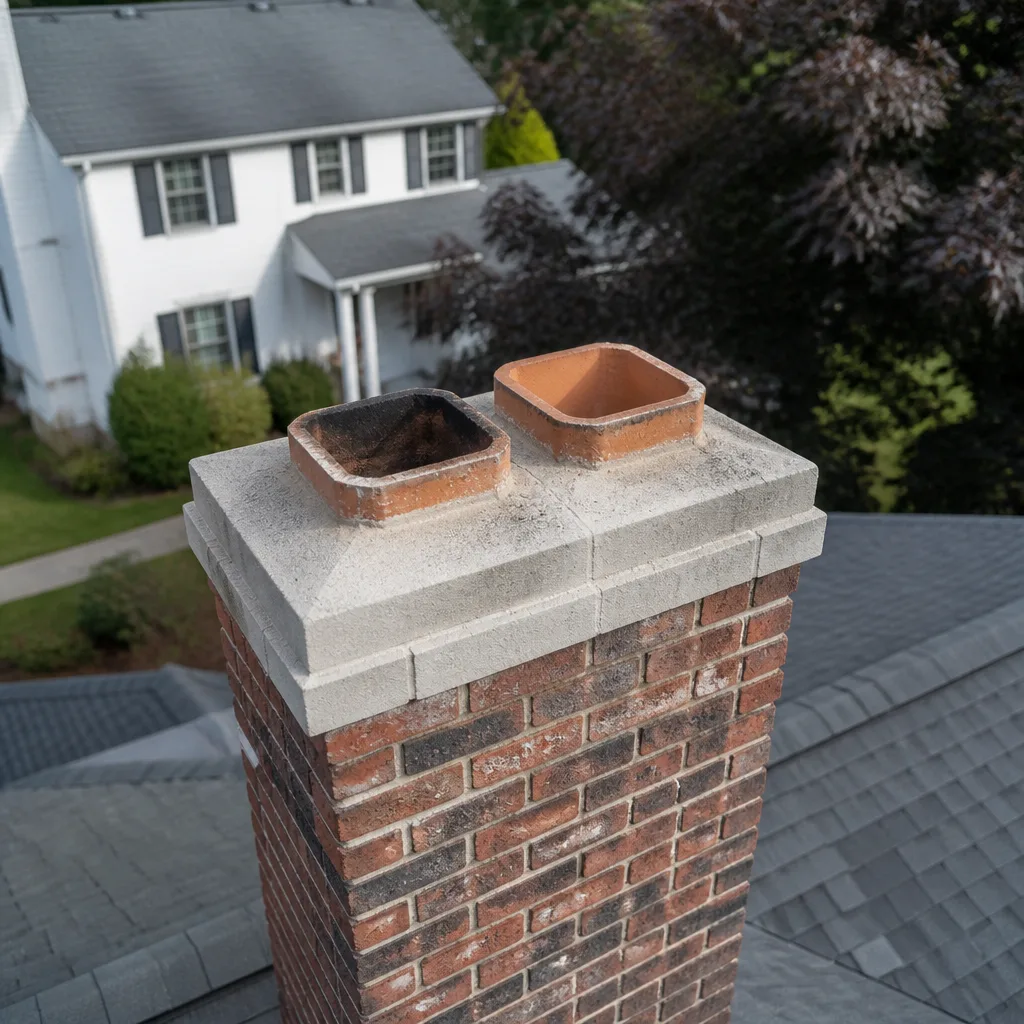 Sweep & inspection
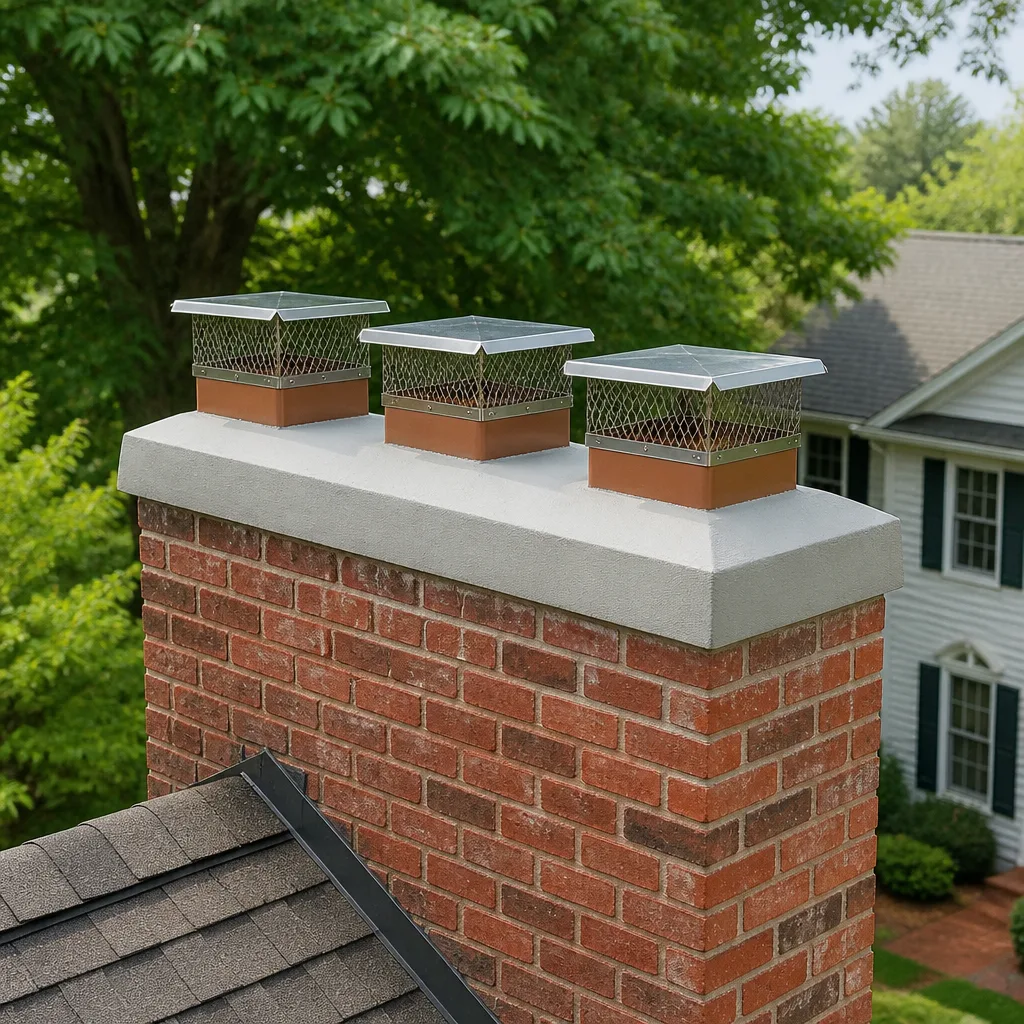 Caps & crowns
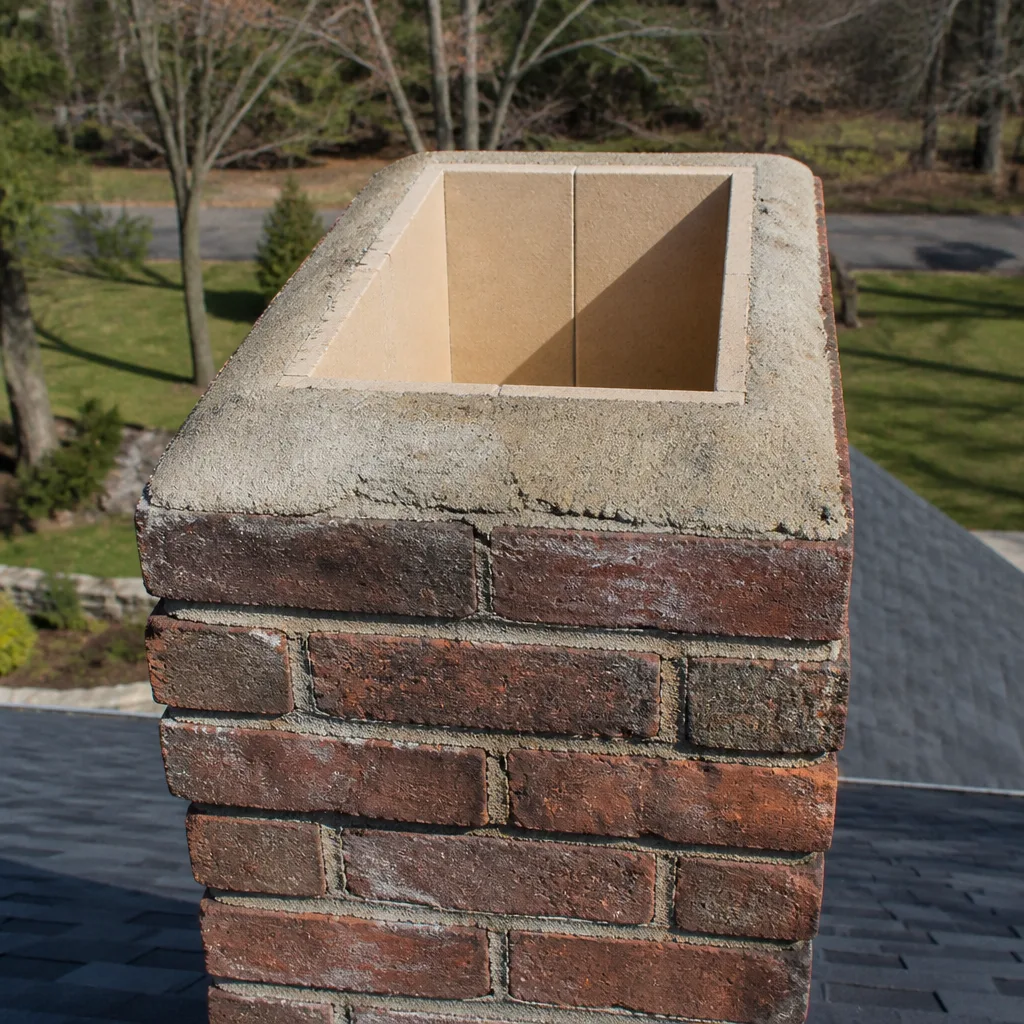 Flue relining
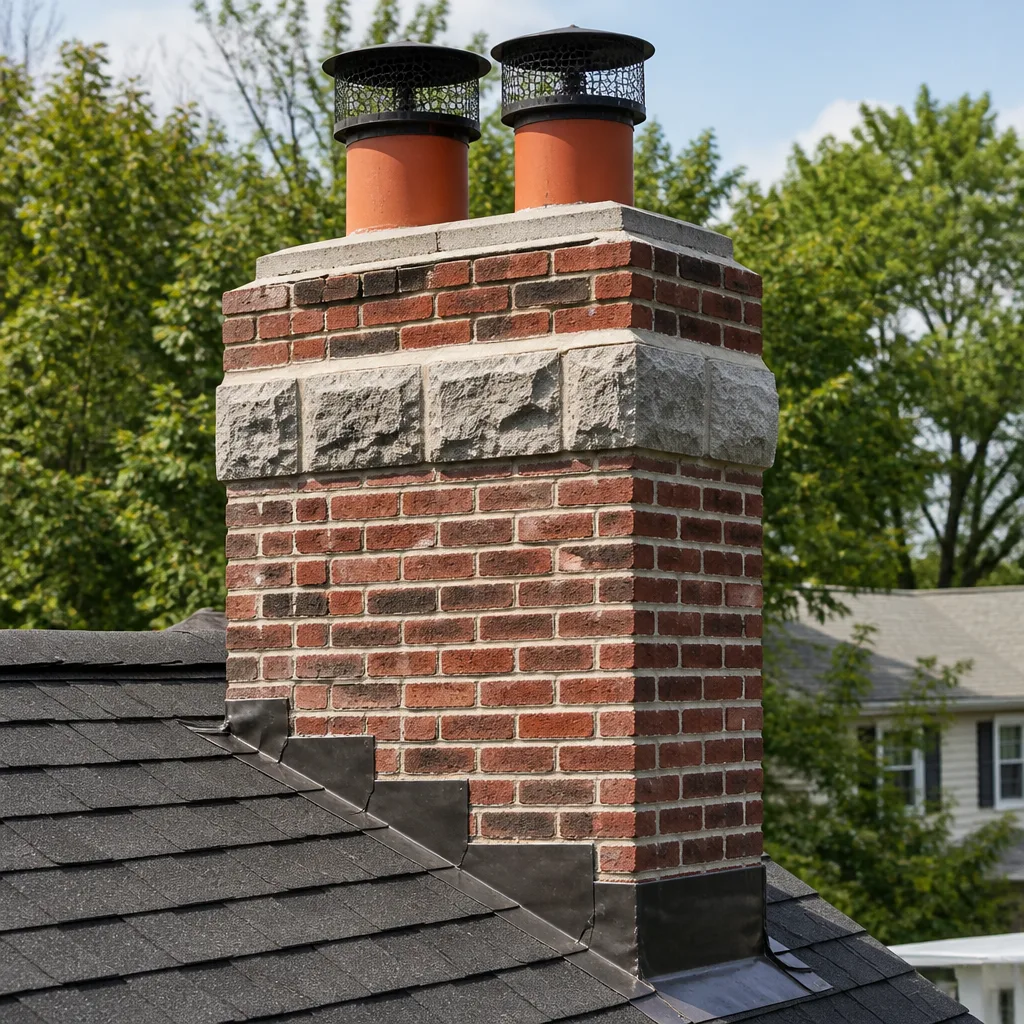 Masonry repair
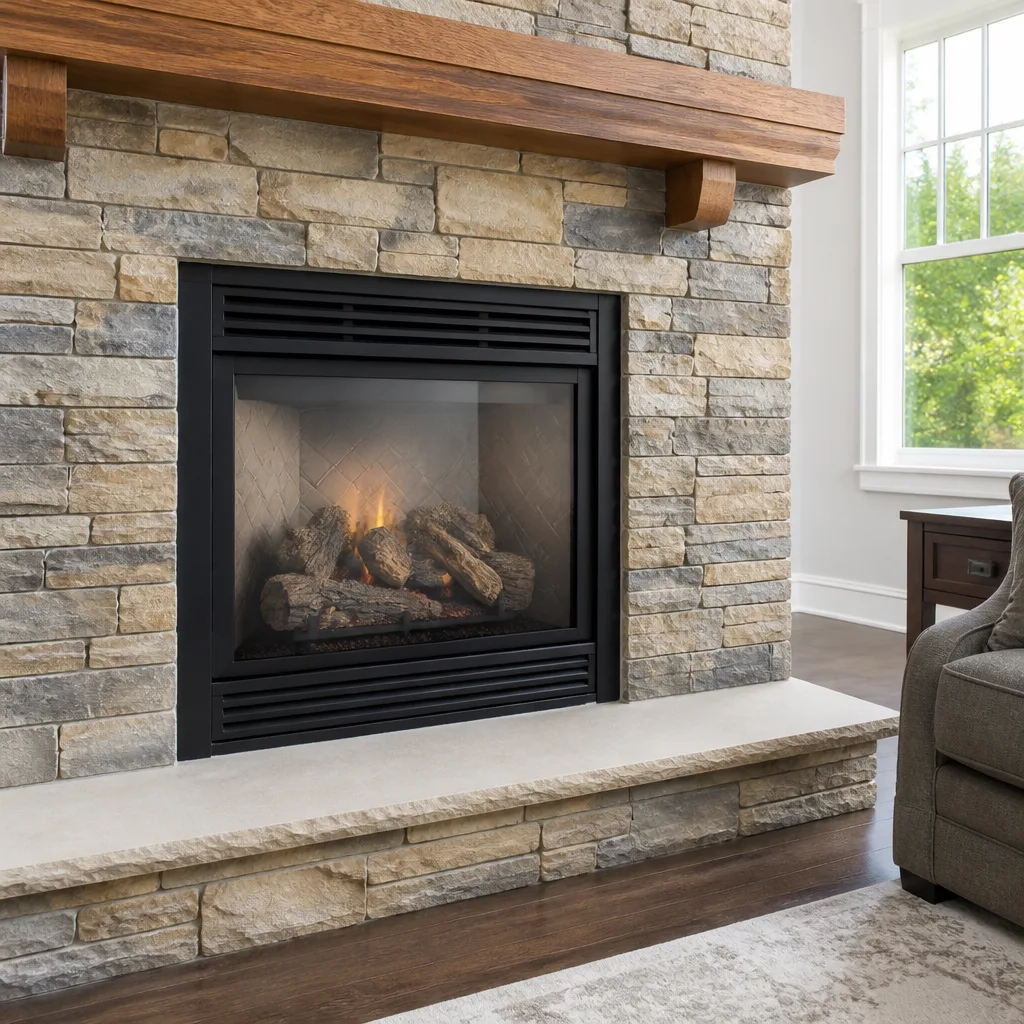 Gas fireplace service
Level 1 sweep and inspection to the NFPA 211 annual standard - flue, crown, cap, and flashing checked and photographed
Chimney sweep logs do not sweep chimneys. They loosen some creosote - which then falls where a brush and vacuum still have to collect it.
Seasonal Chimney Cleaning Care for Kent: Year-Round Homeowner’s Guide
If you only think about your chimney in October, you’re already managing damage that started accumulating in June. That’s the part most chimney advice gets wrong: it treats the flue as seasonal equipment, something you switch on in fall and forget the rest of the year. In Kent, the reality is quieter and stickier than that. Summer here is mild and often damp rather than bone-dry, which means an idle chimney sits through months of moisture, temperature swings, and biological growth rather than baking clean in the sun. By the time you light the first fire of the season, small problems have had a full summer to settle in. This guide walks through what actually happens inside a Kent chimney month by month, how to time your chimney sweep around real burn-season reality, and how to know when a quiet seasonal rhythm needs a professional set of eyes.
Quick Answer
Chimney care in Kent follows a year-round rhythm, not a once-a-year event: a spring post-season inspection to catch freeze-thaw and storm damage, a summer check for moisture and animal entry in idle flues, a cleaning before the October burn season starts, and active monitoring through winter use. Seasonal sweeping in Kent costs roughly $150 to $250 for a standard flue, and the written estimate confirms the final price.
Styles & brands we work with
- Sweep & inspection
- Caps & crowns
- Flue relining
- Masonry repair
- Gas fireplace service
Table of Contents
- Why Kent’s Climate Breaks the Winter-Only Chimney Model
- What Happens Inside a Kent Chimney During the Summer Months
- The Fall Prep Sequence: Why Cleaning Before October Matters
- Monitoring Your Chimney During Active Burn Season
- The Spring Post-Season Inspection Checklist
- How to Set Cleaning Frequency by Cords Burned, Not the Calendar
- Moisture, Moss, and Moisture-Driven Deterioration
- When a Seasonal Check Should Become a Real Repair
Why Kent’s Climate Breaks the Winter-Only Chimney Model
Most chimney advice is written for places with hard winters and dry air the rest of the year. Kent doesn’t work that way. Winters here are cool and wet, spring comes on slowly, and the summer stretches across weeks of mild temperatures with occasional wet spells. That combination matters for a chimney because it changes where the damage starts, and when.
In a hard-freeze climate, damage concentrates in the deep winter. In Kent, the cycles that wear on a chimney run through spring and fall: cool wet days that soak the masonry, followed by a clearing day that dries the outer skin while the core stays damp, then a light frost that expands whatever water found a crack. That freeze-thaw rhythm doesn’t need extreme cold to do its work. It just needs moisture sitting in the wrong place, and a few degrees of movement.
The summer side is just as important, and far less discussed. When a fireplace sits idle from spring through early fall, three things happen inside the flue:
- Moisture lingers. A flue that held warm exhaust and condensate during the last fires of spring doesn’t fully dry out if the building stays humid through the summer.
- Biological growth starts. Damp masonry and quiet, dark flues are a friendly place for moss, lichen, and mold to take hold on caps, crowns, and the outer stack.
- Animals find the opening. Birds and other small animals looking for a dry cavity often settle into an uncapped or under-served flue during the idle months.
In Kent, the burn season usually starts in October and runs into spring, with plenty of shoulder-season fires in that mix on cool evenings. That’s roughly six or seven months with heat in the flue, and five or six months with nothing moving. A winter-only model ignores half the year. Kent Chimney Sweep Pros treats the whole year as the chimney’s working life, because here, it already is.
What Happens Inside a Kent Chimney During the Summer Months
The summer is when an idle chimney does the most invisible work, and it’s the season most homeowners think least about. In a mild, damp summer, the interior of a flue that just finished a burn season starts the warm months carrying residual creosote, moisture, and ash. Those don’t just sit there. They interact with the air moving through the chimney, with humidity, and with whatever opens the top of the stack.
Here’s what actually plays out, month to month:
- Late spring to early summer. The last fires are banked, and the flue cools gradually. Condensation that formed during the final fires continues to collect in small amounts. Ash and creosote flakes loosen from the walls as the masonry cools, drifting to the smoke shelf.
- Midsummer. Warm, humid days push moisture into the outer stack. The crown, cap, and mortar joints are the first places it shows. Moss and lichen can establish on horizontal surfaces like the crown and cap rim within a single season when the weather stays damp.
- Late summer. Animals and birds looking for sheltered cavities investigate the top of the chimney. A cap that isn’t fitted well, or that’s missing, is an open door. A nest, once built, becomes a fire hazard and a serious draft restriction the following season.
- Before the first fall fire. Whatever accumulated over the summer is now sitting where the first fire’s heat will meet it. That’s the moment a pre-season sweep pays off.
We’ve seen this pattern play out across Kent year after year, and it rarely needs dramatic weather to cause real trouble. A humid summer and a poorly seated cap will do it. You can’t smell or see most of this from inside the house, which is why the summer check matters more than it sounds. If your flue has been quiet since spring, there’s a reasonable chance something has taken up residence in it, and a quick look down from the top with a light tells you in five minutes what the eye can’t see from the living room.
The Fall Prep Sequence: Why Cleaning Before October Matters
Most homeowners sweep in November, once a chill settles in and the first fire is a few days away. In Kent, that timing is already behind. The burn season here typically starts with wood that hasn’t had long to dry, because fall arrives cool and wet and a stack gets covered early. A chimney that’s been idle all summer is going to meet that first fire with a flue full of the season’s buildup. Cleaning before October, while there’s still dry time left, gives you a clear run into the burn season.
Here’s the sequence we recommend for Kent homeowners as summer turns to fall:
- Late August to early September: inspect before you sweep. A quick visual from the ground and a look down the flue, or a full inspection if it’s been more than a year, tells you what kind of cleaning you need. Cleaning first and inspecting later gets the order wrong; the inspection should drive the sweep.
- Early September: sweep the flue. Clear out the summer’s ash, creosote, and any nest material before it becomes the fuel for the first fire. If you’ve had any animal activity, treat this as mandatory, not optional.
- Mid September: check the cap and crown. If the cap is loose, damaged, or missing, replace it before fall rains set in. A sound cap is the single best line of defense against water coming down the flue and against animals moving back in. A cracked crown should be addressed now, not in December when the weather is against you.
- Late September: check your wood. Wet wood burns cooler and smolders more, which puts more creosote into the flue across the season. Get your stack covered and off the ground, and put off the first fire until the wood is properly dry if you can.
- October: light the first fire and watch it. A clean flue, a sound cap, and dry wood give you the best starting conditions for the season. Follow the draft and the smoke at first light to catch anything the inspection missed.
That’s why the pre-October sequence matters so much in Kent: it puts the cleaning, the cap check, and the wood prep in the same window, before wet weather makes the timing harder to control. Kent Chimney Sweep Pros books pre-season sweeps and cap work throughout the fall, and we’ll tell you honestly if your chimney is fine to wait another season. A chimney diagnostic visit starts with an honest assessment, not with a repair list.
Monitoring Your Chimney During Active Burn Season
Once the fires are going regularly, the annual sweep stops being the only maintenance item on the calendar. Burn season is when the flue is working hardest and when a problem, if one is developing, will usually announce itself. Some of what to watch for is subtle; some of it is obvious. What matters is that you watch.
- Draft that changes. A fire that drew fine last month but struggles now is sending a signal. It could be a partial obstruction, a closed damper, or wet wood, but it’s worth attention before it becomes a problem.
- Smoke in the room. If smoke rolls into the living space instead of up the flue, that’s a draft problem worth a call. Don’t just open a window and carry on.
- Odor on warm days. A creosote smell when the fire is out, particularly on a mild day, is the flue telling you there’s buildup that needs attention.
- Visible creosote at the top of the firebox. A light dusting of soot is fine. Sticky, shiny, or heavy flaking buildup is not, and should trigger a call to a professional.
- Water or dampness in the firebox. Any moisture in the firebox during the burn season points to a cap, crown, or flashing problem that should be fixed.
- Animal noise from the flue. Squirrels, birds, and other small animals occasionally get into a flue mid-season; if you hear movement, the chimney needs a look before the next fire.
In our experience in Kent, most mid-season calls come down to one of three things: a cap that let something in, a flue that was overdue for a sweep, or a draft problem that a small cap fix would have prevented. None of those are unusual; all of them are better caught early. Beyond the obvious safety hazard of a chimney fire, a poorly maintained flue is a carbon monoxide risk, and carbon monoxide doesn’t announce itself with a smell or a sound. That’s the reason to check the flue during the season, not just before it.
The Spring Post-Season Inspection Checklist
By the time the last fire has gone out, the chimney has been through several months of heat, and the building has been through a wet winter. Spring is the ideal season to look for what the burn season left behind and what winter weather worked on. It’s also the season when a small repair is easiest to schedule and least likely to turn into a bigger one.
Work through this checklist as spring arrives in Kent:
- Look at the cap and crown from the ground. A cap that’s dented, cracked, or missing should go on the list. A crown with visible cracks or crumbling edges is a water intrusion risk that should be addressed before the dry months set in.
- Check for moss and lichen growth. Green or grey growth on the crown, cap, or upper stack tells you the surface is holding moisture. During a damp Kent spring, that’s the natural place it starts.
- Look for masonry and mortar joint cracks. Freeze-thaw over the winter opens small cracks in mortar; spring is when they’re easiest to find and cheapest to fix.
- Inspect for water staining inside. A damp patch, a water stain, or a white mineral bloom on the firebox or the masonry around it points to a leak above that needs diagnosing before summer.
- Check the damper and smoke chamber. Rust on the damper or a buildup of debris in the smoke chamber is a sign the flue was pulling moisture through the winter. A pro can diagnose this in the same visit as a routine sweep.
- Get a full chimney inspection. If you had a fire during the winter that showed signs of a problem (smoke, draft, odor), spring is the time for a thorough inspection. A full chimney inspection covers the flue, cap, crown, and flashing, and it should tell you squarely what can wait and what can’t.
Spring in Kent is also when most homeowners plan summer projects. That’s a good reason to put the chimney on the list now, when a chimney repair can be scheduled without the pressure of a cold snap. Repair work holds better in milder weather, and if a fix needs to wait, you’ll know before the burn season is on top of you.
How to Set Cleaning Frequency by Cords Burned, Not the Calendar
Annual sweeping is the guideline most homeowners follow, and it’s a reasonable starting point. But a chimney doesn’t do a round of work on a schedule; it does work every time you burn. A household that burns four to five cords a season is putting a lot more smoke up the flue than a household that burns a cord or less. A calendar year doesn’t capture that difference, and neither does a rough count of fires.
A more useful way to set frequency is to count the cords you actually burn:
- Under one cord a season. A single annual sweep before the burn season is usually enough, provided the chimney is inspected at least once a year.
- One to two cords a season. An annual sweep, with a mid-season check if you’re burning damp wood or notice a drop in draft.
- Two to three cords a season. Sweep once annually and inspect carefully at the start of the season. Watch creosote buildup more closely through the winter.
- Three or more cords a season. A mid-season sweep may make sense alongside the annual one, especially if the wood supply isn’t consistently dry.
Now the Kent-specific part: the shoulder seasons. In Kent, spring and fall bring plenty of cool evenings that call for a small fire, and those fires are easy to forget when you’re counting the “main” season. A household that counts two cords in the winter but runs a fire most nights in October and April is really burning closer to three. The shoulder-season fires are undercounted almost everywhere, and Kent’s climate is exactly the kind that generates them. Add them into your total before deciding whether an annual sweep is enough.
The honest answer on frequency is that wood is the variable. Wet, poorly seasoned wood burns cooler and produces more creosote, so a stack that wasn’t dry going into the season raises the sweep requirement. Kent Chimney Sweep Pros can look at what’s in your flue after the season and tell you whether your current cadence is doing the job or whether you should anchor it to a cord count instead. That’s a diagnosis, not a sales pitch.
Moisture, Moss, and Moisture-Driven Deterioration
Water is the most common cause of chimney deterioration, and in Kent, water is present all year. A damp, mild climate keeps the outer stack wetter than a dry one, and once water gets into a masonry chimney, it doesn’t leave quickly. It follows cracks, sits in the pore structure of the brick, and works its way toward the interior, where it meets the flue gases and reacts.
Where the damage shows up first:
- The crown. Cracks or separation at the crown let water sit on top of the masonry, where it can soak downward into the stack.
- The cap. A missing or damaged cap is an open flue. Rain goes straight down the inside.
- Flashing at the roofline. The seal where the chimney meets the roof is a frequent weak spot for a slow leak.
- Mortar joints. Winter freeze-thaw opens mortar joints, which let more water in, which makes the joints weaker. The cycle repeats.
- The flue itself. Water that reaches the flue’s inner lining degrades it, and a degraded lining is a fire and carbon monoxide risk.
The countermeasure in Kent is prevention: a properly fitted cap, a sound crown, and attention to the top of the chimney before and after the wet months. For the flue’s interior, a resurfacing system can extend the life of a worn lining without a full reline. Kent Chimney Sweep Pros works with HeatShield for flue resurfacing, and with DuraFlex liner systems when a flue has deteriorated to the point where resurfacing isn’t enough. The right answer depends on what the inspection finds. HeatShield fills cracks and restores the inner surface; DuraFlex replaces a flue that’s failed. We’ll lay out the evidence both ways when it’s time to decide.
When a Seasonal Check Should Become a Real Repair
Most of the year, seasonal maintenance is enough. Every so often, a seasonal check uncovers something that needs more than a sweep, and the point of the check is to catch it before it becomes urgent. Here’s the practical line between routine care and a repair call.
Book a full inspection if:
- You had any symptoms during the burn season (smoke in the room, persistent odor, weak draft).
- You see visible damage at the top of the chimney: a cracked crown, missing cap, or crumbling mortar.
- You see water staining in or around the firebox.
- It’s been more than a year since the last full inspection, or you’ve moved into a home where you don’t know the chimney’s history.
Consider a repair when the inspection shows:
- A cracked crown or damaged cap that’s letting water in.
- Deteriorated flue lining that’s no longer intact.
- Masonry cracking that’s more than cosmetic, or a smokestack that’s moving from “worn” to “failing.”
- Fireplace damage: a cracked firebox, a failing damper, or a smoke chamber that needs rebuilding.
That last category is why Kent Chimney Sweep Pros keeps the full range of chimney and fireplace repair under one company. If the inspection finds liner damage, we can handle flue resurfacing with HeatShield, full relining with DuraFlex, or fireplace and structural repair without sending you off to a different contractor for each job. A fireplace repair that’s built on a sound diagnosis, in a house that’s going to be lived in for years, is a repair worth doing correctly the first time. The same applies to cap and crown work: it’s the part of the system most likely to fail from water, and it’s the easiest to fix before the wet season returns.
Common Mistakes to Avoid
- Sweeping only in late fall. By the time the first fire is lit in Kent, the flue has spent a whole summer gathering moisture, ash, and possibly animal material. Sweep in early fall, while there’s still time to fix what the inspection finds before the season’s first fires.
- Skipping the summer check. An idle chimney can acquire a bird nest, a mossy cap, or water damage over three quiet months. Looking down the flue in late summer costs a few minutes; the alternative is discovering the problem on the first cold night.
- Assuming “annual” means “sometime in the year.” A chimney that’s swept in April and inspected in August, in a Kent home that burns October to March, isn’t on an annual cycle in any useful sense. Time the sweep to the burn season.
- Ignoring shoulder-season burns. Small fires in October and April add creosote buildup that most household counts miss. If you’re burning on cool evenings on either end of the season, count those fires into your annual total.
- Not fixing a cracked crown or a missing cap right away. Water intrusion is the leading cause of chimney deterioration, and it works the whole year here. Repairing it in spring is cheaper than repairing the masonry in fall.
- Burning wet wood. In Kent, the fall is cool and wet, and a woodpile that isn’t covered going into the season stays wet. Wet wood produces more creosote, which changes your sweep cadence.
- Treating the whole system as a sweep. The sweep cleans the flue. The inspection checks the cap, crown, flashing, lining, and firebox. A chimney needs both, and they should be done at the same time by the same company.
See the difference
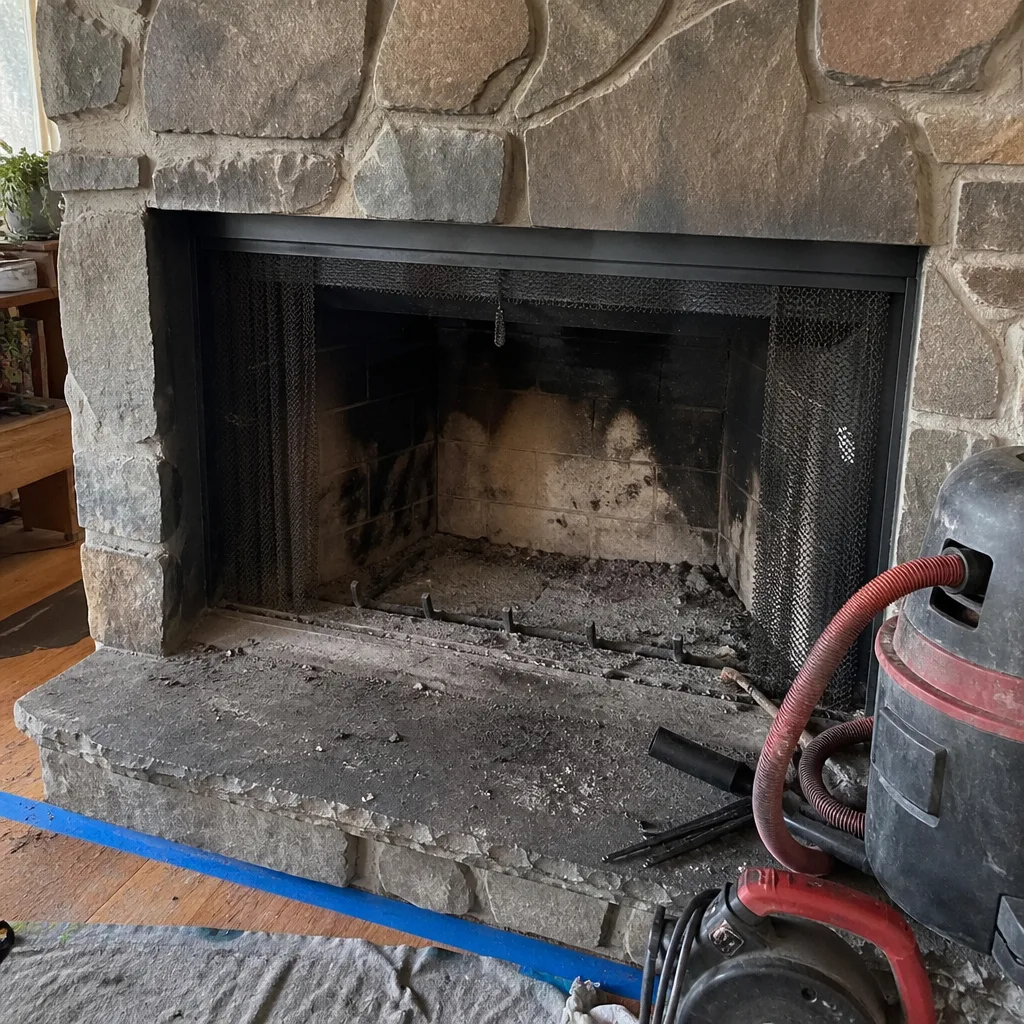 Before
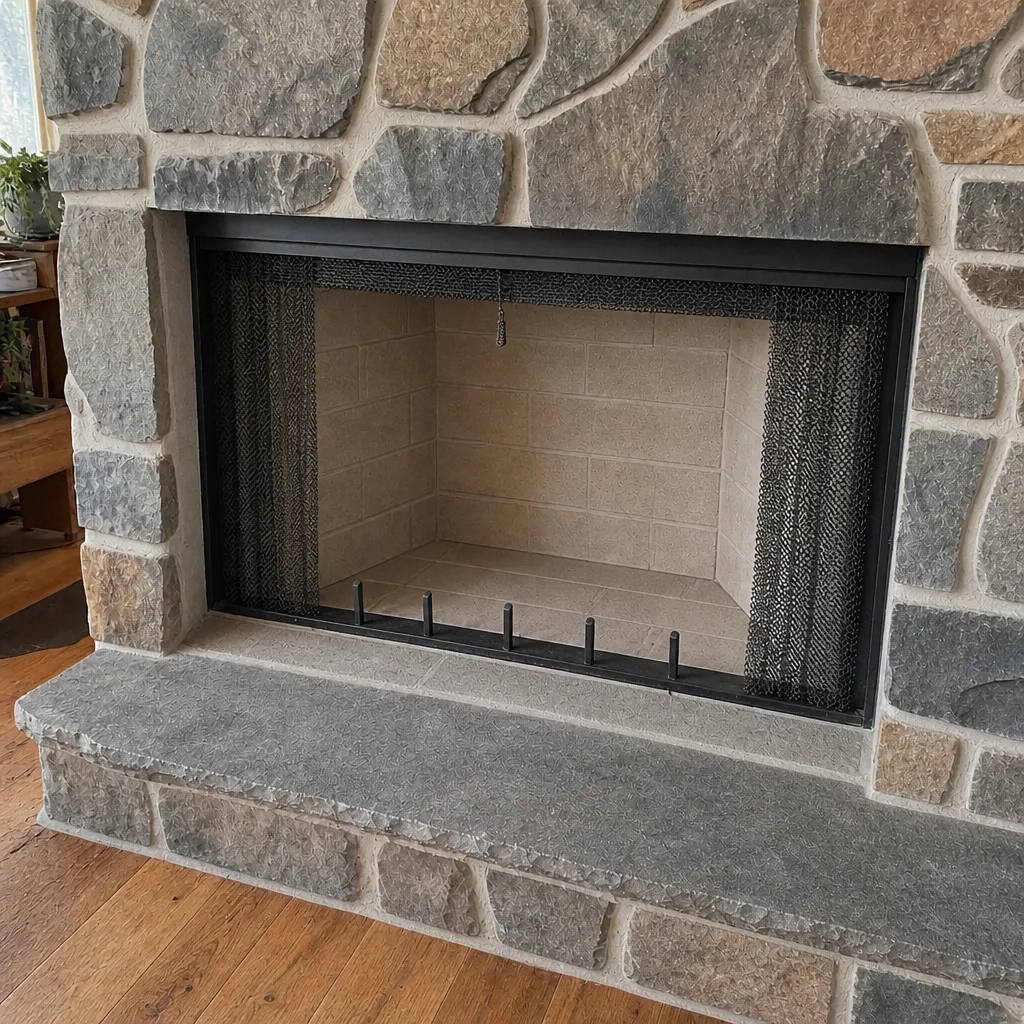 After
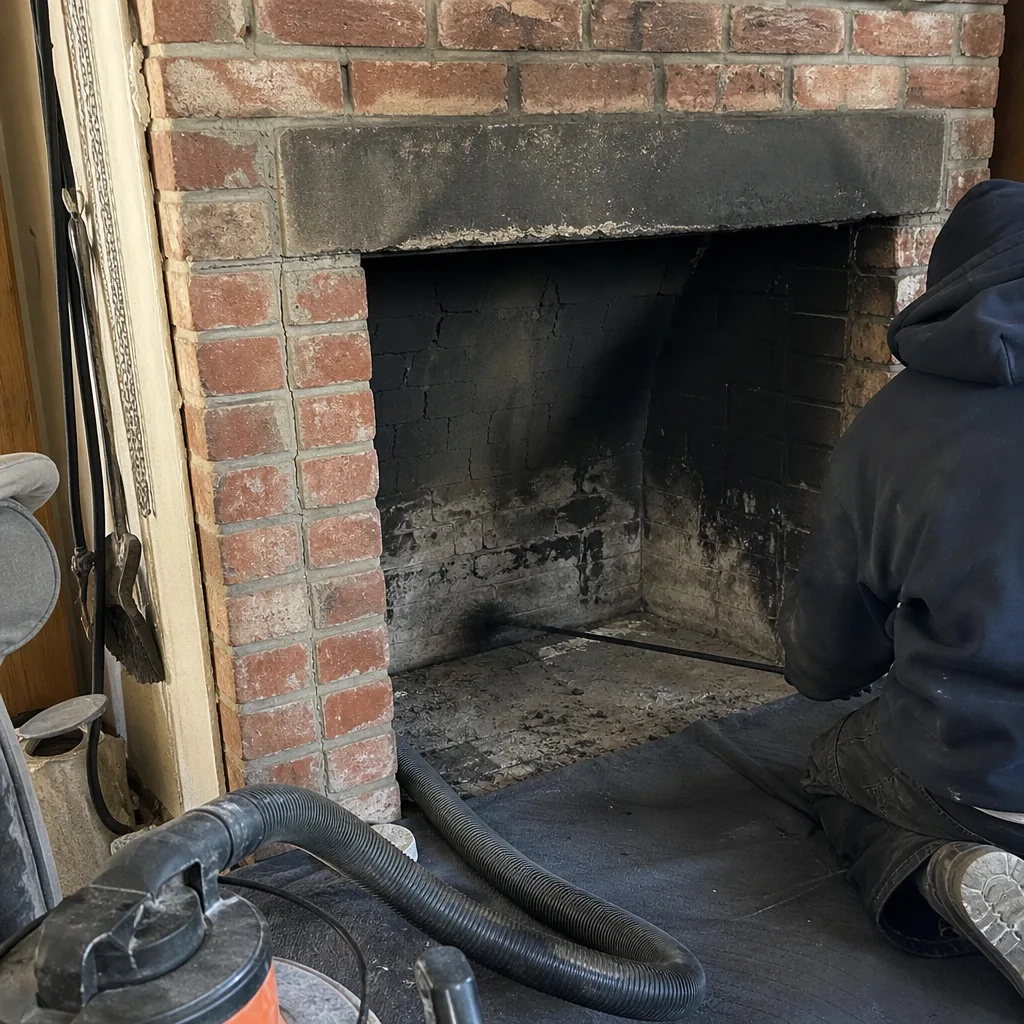 Before
 After
 Before
 After
When to Call a Professional
Call a professional when you can’t see the inside of your flue, when your last inspection was more than a year ago, or when you’ve noticed any symptom during the burn season. If you’ve moved into a Kent home and don’t know your chimney’s history, a full inspection is the right first step. If your cap is damaged or missing, or a crown is cracked, that’s a repair call in either season. If you’ve had a chimney fire, had smoke where it shouldn’t be, or seen water staining, book an inspection before your next fire.
Kent Chimney Sweep Pros offers free estimates in Kent. Call (877) 699-0126. We answer 24/7. Fast dispatch from 7am to 7pm, Sunday through Friday. Our technicians have up to 9 years of experience. A call outside dispatch hours is booked into the next opening, Sunday through Friday, 7am to 7pm. Every visit starts with a full chimney inspection and diagnosis, and the written estimate sets the final price.
Frequently Asked Questions
Most Kent homes with a wood-burning fireplace should be swept once a year, ideally before the burn season begins in October, and inspected at least once annually. If you burn more than two to three cords a season, or you run shoulder-season fires in spring and fall, a mid-season check may make sense in addition to the annual sweep.
Yes. A flue that sat idle through a Kent summer has still been working: it’s taken on moisture, ash has shifted, and animals may have entered the flue. What the flue held last spring is what the first fire of fall meets. Cleaning before October, not after, is the right sequence.
The summer is when moisture, biological growth, and animals get into a flue. Damp, mild air holds moisture in the masonry, moss and lichen establish on the crown and cap, and birds or small animals settle into an uncapped flue. A late-summer check catches all of it before burn season starts.
You can catch the outward signs from the ground (a cracked crown, a missing or dented cap, moss on the crown, water staining inside), and we encourage you to look. The flue lining and smoke chamber need a full inspection to diagnose. If you’re not sure, a professional inspection will tell you plainly what can wait and what can’t.
Yes, or as soon as the weather allows. Water intrusion is the leading cause of chimney deterioration, and in Kent, the chimney is exposed to wet weather year-round. A cracked crown or missing cap lets water into the masonry, where it causes damage that’s far more expensive to repair than the original fix. Repair it in spring or summer, before the wet season.
Seasonal sweeping in Kent typically runs about $150 to $250 for a standard flue, and a full inspection or repair is quoted in the written estimate after the diagnosis. The written estimate sets the final price. Call (877) 699-0126 for a free estimate; we answer 24/7, with fast dispatch from 7am to 7pm, Sunday through Friday.
The Bottom Line
In Kent, a chimney is working all year. It takes on moisture through the damp summer, collects frost damage through the wet winter, and meets its next fire with whatever all that work left inside the flue. The seasonal sequence that actually fits this climate is spring inspection, summer check, early-fall sweep, and winter monitoring, with cleaning frequency keyed to cords burned rather than the calendar. Kent Chimney Sweep Pros handles the whole system, from the sweep and inspection to cap and crown work, chimney repair, fireplace work, and flue resurfacing with HeatShield. Call (877) 699-0126 for a free estimate. Protect the investment before the season starts, not after.
Written by the team at Kent Chimney Sweep Pros.